
Taylor Sheridan Yellowstone writing criticism has grown significantly, as disappointed fans have called out the show‘s recent dialogue and character portrayals, especially after a widely circulated scene compared Monica Dutton to Twilight’s Bella. The backlash follows a noticeable drop in fan appreciation, highlighting issues with writing and story quality in the series once heralded as a TV giant.
Fans Voice Frustrations with Yellowstone’s Dialogue and Characters
The negative response reached new heights when a clip from Yellowstone began circulating online, sparking criticism for what viewers described as “cringeworthy” exchanges and weak scripting. The scene featuring Monica Dutton, introduced in Season 3, episode 1, became the center of debate. Monica is depicted trying to reason with a group of students glued to their phones and discussing the end of the world, drawing attention to societal inequalities and disconnection.
However, the attempt at social commentary did not sit well with many, who claimed that both the dialogue and the interaction felt forced and unnatural. Comparing the sequence to the awkwardness seen in some blockbuster films, fans likened Monica’s mannerisms and conversational style to Kristen Stewart’s performance as Bella Swan from the Twilight saga—a character who has faced her own share of public scrutiny.
Reddit users didn’t hold back, with several pointing out that Kristen Stewart’s work was unfairly maligned, placing the real blame on the lackluster material she had to deliver in Twilight—mirroring what some see in Kelsey Asbille’s portrayal of Monica Dutton. The issues, according to these voices, lie firmly with the writing and direction provided by Taylor Sheridan.
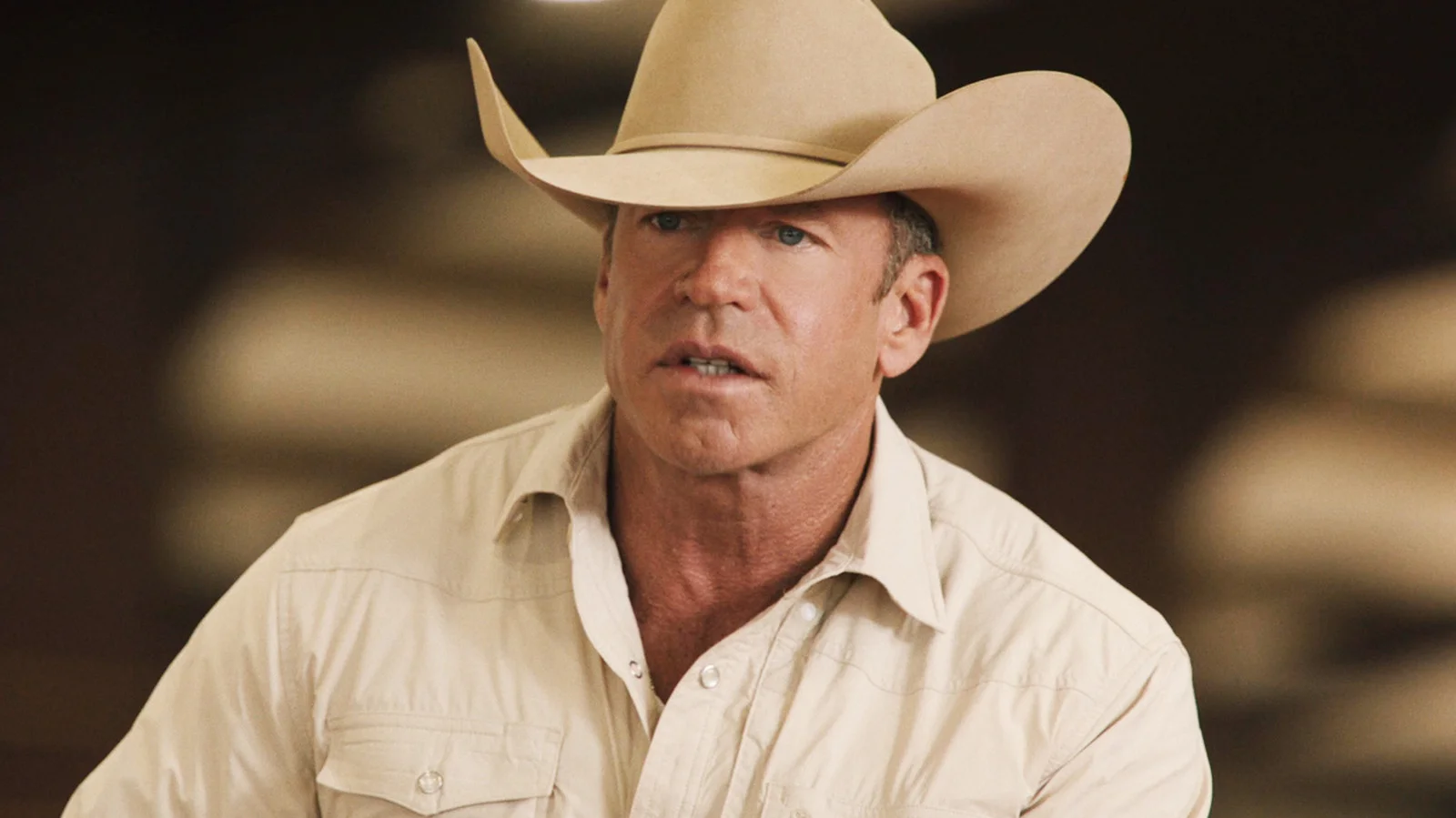
“Monica Dutton calls it a waste of my f*cking time, but it was she who was actually late to the class, and as for the students, they paid to be there.”
—fan, Reddit commenter
This commentary reflects the deep frustration among longtime viewers who feel the writing quality has declined, resulting in flat characters and unsatisfying conflict resolutions. A sense of wasted potential echoes through the fan base, as one of television’s former favorites now finds itself scrutinized for the very elements that once earned it acclaim.
The Fall of Yellowstone’s Storytelling
Once a beloved series hailed for its fresh take on the modern American West, Yellowstone began to stumble after its early success. The show initially drew viewers in with its depiction of the Dutton family, owners of The Ranch, and their fight against land encroachment and government interference. Over time, however, fans and critics observed that promising plotlines and side-stories were routinely dropped without resolution. Characters—both heroes and villains—often appeared and disappeared with little consequence, breaking the narrative continuity and reducing emotional investment.
Reviewers criticized Taylor Sheridan for creating intricate story threads only to abandon them midway, making story arcs and character journeys feel incomplete. The phenomenon of “plot armor” also drew ire, as major protagonists quickly recovered from life-threatening injuries while adversaries were dispatched with unrealistic ease, shattering suspense and believability.
Through these developments, Yellowstone’s strong start faded into disappointment for many who had expected a more thoughtful and engaging conclusion to the Dutton family’s saga. The show’s handling of characters such as Monica Dutton—and the resultant comparisons to polarizing pop-culture figures like Bella Swan—underscore the perception that storytelling and dialogue have not kept pace with audience expectations.
How Viewer Backlash May Shape Yellowstone’s Legacy
The mounting Taylor Sheridan Yellowstone writing criticism has marked a turning point in how fans perceive the series’ creative direction. The recent debates highlight broader concerns about the future of complex television dramas and audience demand for authentic storytelling. The fate of Yellowstone serves as a cautionary tale about the risks of inconsistent scripting and the fallout that can ensue when beloved stories lose their way.
As fans continue to discuss the show’s missteps—particularly through viral scenes and pointed comparisons—the fallout from these critical voices may influence both future seasons and Sheridan’s other projects. While Yellowstone remains available to stream on Peacock in the USA, its struggle to maintain narrative integrity stands as a lesson for creators navigating evolving viewer expectations in the world of television drama.
