
Scarlett Johansson recently spoke out about the role of artificial intelligence in the film industry, reflecting on her experience with OpenAI and her perspective on evolving technology. In a candid interview following her dispute with OpenAI over voice usage, Johansson explained why she believes AI is not currently a threat to actors’ careers, highlighting her thoughts on the future of acting and technology.
Johansson Discusses AI’s Impact on Acting
Addressing the increasing use of artificial intelligence in cinema, Scarlett Johansson, a BAFTA-winning thespian, acknowledged that AI has benefits in the production process. She was clear, however, that the technology does not endanger job opportunities for performers.
“Well, I just don’t believe the work I do can be done by AI. I don’t believe the soulfulness of a performance can be replicated,”
—Scarlett Johansson, Actress
Known for her work in both blockbuster franchises and auteur films, Johansson pointed out that, from her perspective, performances driven by genuine emotion cannot be mimicked by machine learning models or digital technology. She referred specifically to the unique qualities of a human performance that make it difficult, if not impossible, for AI to replace professional actors.
AI as a Tool, Not a Replacement
Johansson expanded on how AI can assist with filmmaking but expressed skepticism that audiences will support complete AI-generated performances. She emphasized the importance of creative intent and human expression within the art form.
“Well, as a tool for film-making, it has evolved, and I don’t really believe that audiences are concerned with that. Perhaps I’m wrong, but as a tool for creatives who don’t see it as a replacement for anything, I don’t think AI is threatening.”
—Scarlett Johansson, Actress
Johansson’s experience in the entertainment industry has given her insight into how technology, such as AI, can complement rather than threaten creative professionals like actors and directors. She suggested that for now, the main function of AI is to support the film-making process without taking away the core elements brought by performers on set.
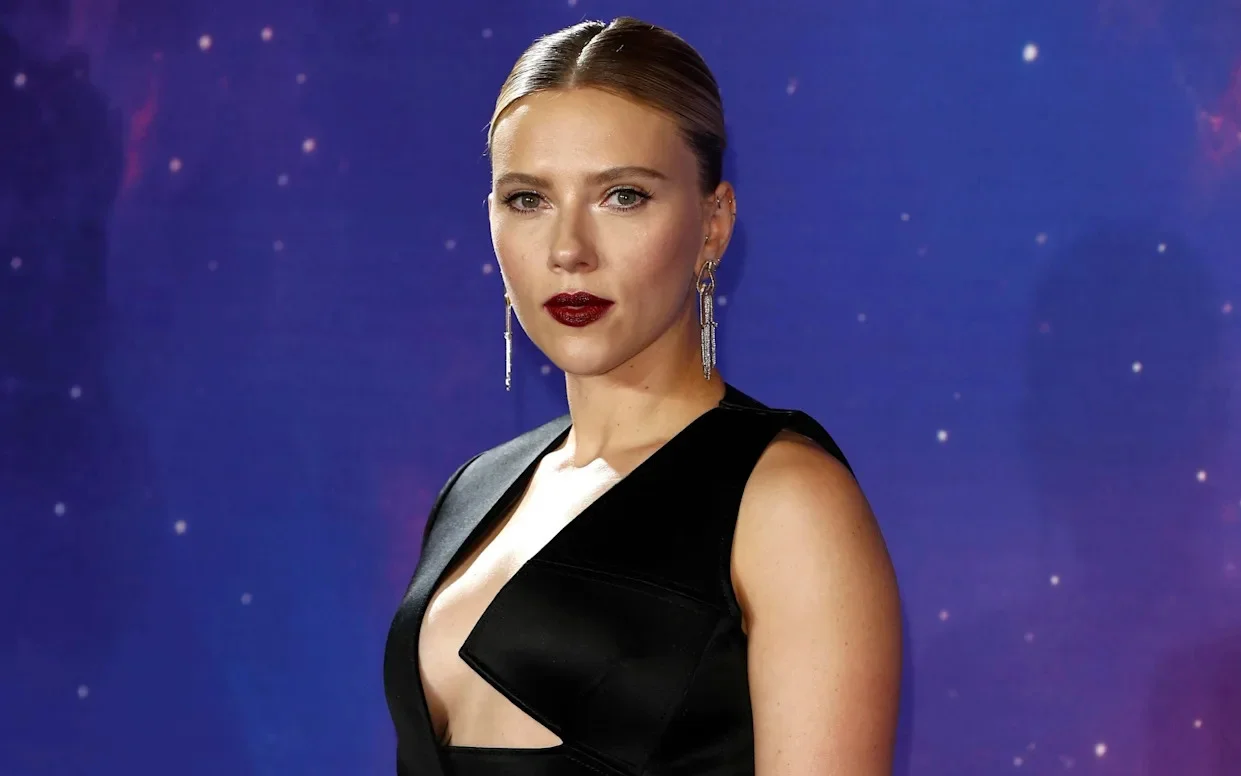
Concerns About Broader Societal Impacts of AI
While Johansson does not foresee AI jeopardizing actors’ livelihoods, she voiced concerns over how advancing machine intelligence might affect society more generally, especially as technology develops rapidly and influences how information is perceived.
“But when it threatens to blur the line between truth and reality? That’s a threat. The bigger picture — about how we human beings, with fragile egos, can continue to have the trust that we have to have in one another, to continue as a society,”
—Scarlett Johansson, Actress
According to Johansson, the real danger of AI is not professional displacement, but its potential to erode fundamental trust among people, especially with technologies that make it challenging to distinguish fact from fiction. This, she explained, presents moral questions and broader concerns about the future of reliable information in society.
“It’s a moral compass. We move around the world every day, just knowing we have to trust in some basic reality that we all agree on. AI threatens the foundation of that, and that to me is very haunting.”
—Scarlett Johansson, Actress
In reflecting on these ethical issues, Johansson underscored the urgent need to maintain a collective agreement on reality, indicating that while technology has its place as a tool for creatives, its unchecked expansion could jeopardize the mutual confidence society relies on.
The Road Ahead for Technology and Creativity
Scarlett Johansson’s remarks provide a nuanced perspective on AI’s evolving presence in the entertainment industry. While she recognizes its ability to enhance the film-making process, her main concern lies with AI’s societal implications, especially regarding shared trust and authenticity. As discussions over technology and human creativity continue, Johansson’s viewpoint serves as a reminder of the importance of maintaining the integrity of human expression in the face of rapid change.
