
James Cameron, best known for directing major Hollywood blockbusters such as Titanic and Avatar, has publicly critiqued Christopher Nolan’s 2023 film, Oppenheimer. The filmmaker’s comments targeted what he believes was a significant oversight in Nolan’s treatment of the film’s central historical controversy—a topic that has spurred much Christopher Nolan Oppenheimer criticism controversy within cinematic circles.
Cameron argued that Oppenheimer, which explores scientist J. Robert Oppenheimer’s involvement in developing the atomic bomb, failed to fully address the devastating impact the bombings had on the people directly affected on the ground. While praising Nolan’s filmmaking, Cameron did not shy away from expressing a strong opinion regarding the film’s handling of this crucial element.
Cameron Describes a Missed Opportunity
In his remarks, Cameron acknowledged his admiration for Nolan’s technical achievements but voiced his unease over the film’s selective narrative:
“…it’s interesting what he stayed away from. Look, I love the filmmaking, but I did feel that it was a bit of a moral cop out.”
—James Cameron, Director
Cameron elaborated, saying the film only included brief, suggestive glimpses—a single scene—hinting at the horrifying human consequences of the atomic bomb in the audience’s eyes. He pushed further, emphasizing his approach to such sensitive topics:
“Because it’s not like Oppenheimer didn’t know the effects. He’s got one brief scene in the film where we see — and I don’t like to criticize another filmmaker’s film – but there’s only one brief moment where he sees some charred bodies in the audience and then the film goes on to show how it deeply moved him. But I felt that it dodged the subject. I don’t know whether the studio or Chris felt that that was a third rail that they didn’t want to touch, but I want to go straight at the third rail. I’m just stupid that way.”
—James Cameron, Director
Nolan’s Response and Cameron’s Future Intentions
Responding to the ongoing Christopher Nolan Oppenheimer criticism controversy, a reporting outlet quoted Nolan addressing such feedback, saying his intention was to tell a different story, and welcoming others to approach the subject from alternate perspectives:
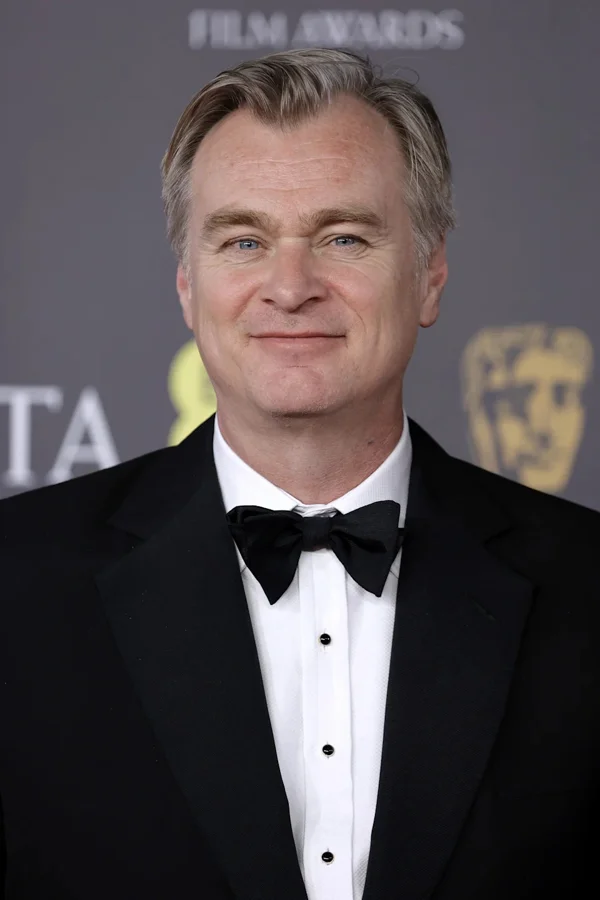
“Nolan answered that criticism by basically saying, ‘I hope somebody tells that story, but to me, this wasn’t that story.’ It might take another heavyweight like James Cameron to do that…”
—Deadline
Cameron, in turn, stated he would be open to taking on such a project himself in the future if the time was right, detailing his creative process over many years but clarifying that a script remains unwritten.
“Okay, I’ll put up my hand. I’ll do it, Chris. No problem. You come to my premiere and say nice things…I can’t tell you today what’s going to be in the movie. I’ve been making notes for 15 years and I haven’t written a word of the script yet because there’s a point where it’s all there and then you start to write. That’s how I always work. I explore around, I remember the things that impact me. I start to assemble ’em into a narrative. And then there’s a moment where you’re ready to write. And I’m not in that head space right now.”
—James Cameron, Director
What This Means for Future Films About Oppenheimer
The Christopher Nolan Oppenheimer criticism controversy highlights divergent choices directors make when handling sensitive history. As Cameron, studios, and key voices in Hollywood continue this discussion, the possibility remains that another film may offer a more direct portrayal of the bomb’s effects. For now, the debate underscores ongoing public interest in how historical events are represented on screen and may encourage new explorations by filmmakers such as Cameron, who continues to reflect on the impact of choices made in telling these profound stories.
