
Kevin Costner’s highly publicized exit from Yellowstone after five seasons was far more than a matter of scheduling conflicts—it echoed tensions between Costner and creator Taylor Sheridan, playing out an old Hollywood pattern that the film Tombstone hinted at years ago. The ongoing Kevin Costner Yellowstone exit feud has roots going back decades, illustrating the recurring clashes over creative control that follow Costner’s career and impact major productions.
Deep-Seated Tensions Surface in Yellowstone’s Fifth Season
The departure of Kevin Costner from Yellowstone was not simply a production mishap; it was the latest chapter in a long history of creative disputes involving the actor. While some reports initially focused on conflicts with Costner’s new project Horizon, further details reveal that the split with Taylor Sheridan stemmed from a struggle over narrative authority and artistic vision. This fierce contest for storytelling control led to an abrupt and unsatisfying end for Costner’s character John Dutton, leaving both fans and insiders reeling.
Years earlier, this tendency surfaced during the making of Tombstone, where, prior to Val Kilmer cementing his legacy as Doc Holliday, Costner was himself nearly part of the project. Notoriously, creative disagreements with screenwriter Kevin Jarre prevented Costner from joining, prompting him to pursue his own version of the Earp legend by headlining Wyatt Earp under Lawrence Kasdan’s direction.
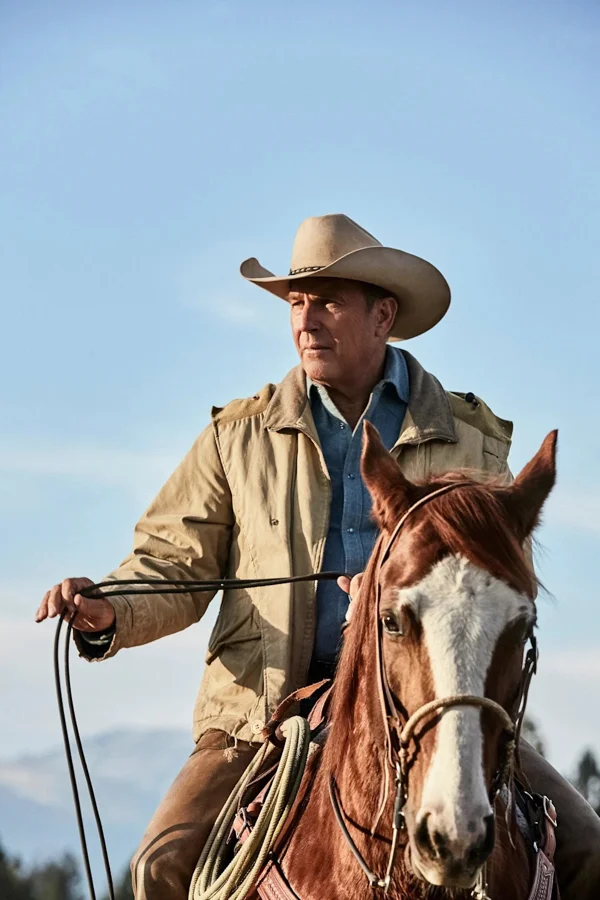
Tombstone, Wyatt Earp, and the Early Signals of Creative Friction
In the early 1990s, while George P. Cosmatos directed Tombstone with Kurt Russell and Val Kilmer, Costner had lobbied for a sprawling narrative covering Wyatt Earp’s entire life. Ultimately, Tombstone focused tightly on the Gunfight at the OK Corral, while Costner’s Wyatt Earp unfolded as a three-hour epic, criticized by cast and critics alike, most notably described as,
“a giant close-up of Kevin for three f**king hours.”
—Michael Madsen, Actor. The film’s approach and length became a touchstone for conversations about Costner’s style—preferring expansive, actor-focused storytelling—and foreshadowed disputes to come.
Reports indicated Costner’s influence extended beyond acting and producing. He allegedly persuaded major studios to steer clear of distributing Tombstone, significantly affecting its casting and production, with stars like Brad Pitt stepping away and favored choices like Richard Gere and Willem Dafoe passed over. This move left a lasting impression on Western fans and set the template for Costner’s future showdowns over creative leadership.
Costner and Sheridan’s Showdown Over Yellowstone’s Direction
When Kevin Costner left Yellowstone, the fallout was immediate and confusing for the audience, with John Dutton’s exit handled off-screen in a sudden and controversial storyline. Commenting on the matter, Costner’s reaction was clear:
I heard it’s a sui*ide, so that doesn’t make me want to rush to go see it.
—Kevin Costner, Actor
Taylor Sheridan, Yellowstone’s creator, addressed the situation and the larger business context during an interview, reflecting both his frustration and continued regard for Costner:
My opinion of Kevin as an actor hasn’t altered… But once lawyers get involved, then people don’t get to talk… It truncates the closure of his character.
—Taylor Sheridan, Showrunner
Sheridan stressed that John Dutton’s fate had been planned from early in the show’s conception, regardless of any single actor’s involvement. He remarked:
I don’t do ‘f–k you car crashes’. Whether [Dutton’s fate] inflates [Costner’s] ego or insults is collateral damage.
—Taylor Sheridan, Showrunner
This feud and its final messy chapter left both the creative team and fans divided, with many blaming the complicated business behind the scenes for a disappointing resolution and a sense of lost potential. Costner’s intense commitment to his work, visible throughout his Western filmography, once again positioned him as both a passionate figurehead and a contentious collaborator, shaping the destinies of characters and productions alike.
What Lies Ahead for Yellowstone and Its Legacy
As Yellowstone continues streaming on Peacock Premium and Tombstone finds a new audience on Hulu, the impact of Kevin Costner’s departure continues to resonate within both Hollywood and among dedicated viewers. The series’ direction has shifted, leaving some to wonder whether this high-profile feud marks the end of an era or just another storied battle in the ongoing struggle for creative power in modern television.
The conflict between Costner and Sheridan, like the ruptures that emerged on Tombstone decades ago, shows how leadership, ego, and vision can determine not only a single show or film’s fate, but also influence wider trends in the entertainment industry. Fans and commentators alike are left to contemplate if the split was an unfortunate necessity or a preventable loss, while the wider significance of Costner’s Western legacy—across film and television—remains undeniable.
