
In the world of cinematic versatility, few actors can match Gary Oldman‘s transformative range, a fact nowhere more apparent than when examining the essential Gary Oldman movies ranked across his storied career. With performances stretching from sinister villains to tragic heroes, Oldman has redefined what it means to disappear into a role—garnering acclaim from audiences and critics alike through decades of unforgettable appearances in films spanning multiple genres and generations.
This definitive list explores Oldman’s ten most significant performances, where his ability to embody each character has elevated the films themselves. Whether starring in epic blockbusters, inventive art-house releases, or daring biographical tales, his portrayals continue to captivate, surprise, and deeply resonate, reflecting why he is regarded as one of the preeminent character actors of his era.
10. Sid and Nancy (1986): Oldman’s Explosive Arrival as Sid Vicious
Gary Oldman burst onto the international scene in Alex Cox’s “Sid and Nancy,” portraying the infamous Sex Pistols bassist, Sid Vicious. The film chronicles the jagged, self-destructive relationship between Sid and Nancy Spungen, played by Chloe Webb, plunging viewers into a raw depiction of punk excess and tragedy. Oldman mixes swagger, fragility, and unpredictability, embodying a character teetering on the edge of collapse.
This debut didn’t just announce his entry; it upended expectations for what a rock biopic could be, transcending simple nostalgia or mythology. Oldman grounds the chaos of punk in real human pain, creating a performance that is as erratic as it is empathetic. The supporting cast, including David Hayman as Malcolm McLaren and Debby Bishop as Phoebe, help build the anarchic backdrop, while Oldman’s volatile magnetism ensures the film remains one of cinema’s definitive statements on punk and artistic downfall.
9. The Professional (1994): A Villain Turned Iconic by Sheer Ferocity
Oldman took chaotic evil to new heights in Luc Besson’s “The Professional,” inhabiting the role of unhinged DEA agent Norman Stansfield. His portrayal of Stansfield is marked by manic unpredictability and a theatrical menace that lingers long after the credits roll. The character, known for his infamous demands and scenes of brutal violence, becomes unforgettable thanks to Oldman’s commitment to both exaggeration and intimidation.
Set against powerful performances by Jean Reno and a young Natalie Portman, Oldman’s villain becomes the swirling storm around which the narrative orbits. Where his co-stars opt for subtlety, Oldman dominates scenes with operatic energy, making Norman Stansfield one of the most memorable antagonists not just in this film, but in cinema history. The contrast between the stoic hitman and Oldman’s wild villain crafts a dynamic intensity that continues to fascinate viewers and influence portrayals of villainy on screen.
8. True Romance (1993): Stealing the Spotlight as Drexl Spivey
“I’m still a mystery to myself.”
—Gary Oldman as Drexl Spivey
With only a brief appearance in Tony Scott’s “True Romance,” Oldman delivers an unforgettable turn as Drexl Spivey, a bizarre, dreadlocked pimp who oozes menace and charisma. The character—a creation of Quentin Tarantino’s pen—comes alive through Oldman’s bold choices, featuring gold teeth, scarring, and an unpredictable volatility. Despite being in only one pivotal scene, he leaves a lasting impression, burning through the film with a rare blend of derangement and odd appeal.
The supporting ensemble, including Christopher Walken and Dennis Hopper, fill the movie with colorful personalities, but it’s Oldman’s Drexl who lingers in memory. He builds a unique backstory for the character out of physical detail and psychological menace. It serves as a demonstration that even a cameo, in the hands of an actor like Oldman, can redefine scenes and influence the entire atmosphere of a film. His brief appearance in “True Romance” remains one of his most daring, showing what can be achieved when an actor embraces transformation with total commitment.
7. Oppenheimer (2023): A Commanding President Truman in a Pivotal Scene
“Mr. President, I feel I have blood on my hands.”
—Cillian Murphy as J. Robert Oppenheimer
One scene is all it takes for Oldman to leave an indelible mark in Christopher Nolan’s “Oppenheimer.” Virtually unrecognizable as President Harry S. Truman, Oldman shares a tense Oval Office exchange with Cillian Murphy’s Oppenheimer. His Truman is blunt, dismissive, and instilled with a cold sense of pragmatism—which, in a few short moments, distills the aftermath of the atomic bombings into something personal and political.
This exchange, reportedly drawn from accurate historical accounts of the meeting, showcases Oldman’s unmatched skill at shifting the weight of a scene through physicality and tone. Even in a supporting role alongside cast members like Emily Blunt and Cillian Murphy, Oldman’s Truman carries an authority that adds emotional and ethical complexity to the narrative. His ability to alter a film’s gravity with just minutes on screen underlines his status as a master of cinematic presence.
6. Prick Up Your Ears (1987): Oldman Captures the Turmoil of Joe Orton
“You can’t help being clever, can you?”
—Gary Oldman as Joe Orton
In Stephen Frears’ “Prick Up Your Ears,” Oldman turns in one of his earliest—and boldest—performances as British playwright Joe Orton. Depicting Orton’s wit, sexuality, and ultimately tragic partnership with Kenneth Halliwell (played by Alfred Molina), Oldman brings to life a man defined by contradiction. The film weaves between humor and pathos, with Oldman navigating these shifts with finesse and courage.
Stephen Frears, acclaimed for works like “The Queen” and “Philomena,” provides a platform where Oldman explores vulnerability alongside fellow cast members such as Vanessa Redgrave (Peggy Ramsay) and Wallace Shawn (John Lahr). The result is a nuanced portrait of artistic and personal demise, as Oldman balances Orton’s charming exterior with the darkness beneath. Long before leading studio blockbusters, Oldman demonstrated his capacity to deliver performances rich in complexity and conviction, setting a precedent for future roles.
5. Rosencrantz & Guildenstern Are Dead (1990): Shakespearean Absurdity and Human Comedy
“Eternity is a terrible thought. I mean, where’s it going to end?”
—Gary Oldman as Rosencrantz
Tom Stoppard’s adaptation of his own acclaimed play, “Rosencrantz & Guildenstern Are Dead,” sees Oldman as Rosencrantz, playing beside Tim Roth’s Guildenstern. The duo, thrust from Shakespeare’s periphery into puzzled centrality, meander through intellectual riddles and existential absurdity. Oldman brings infectious energy to Rosencrantz, grounding highbrow dialogue with comedic timing and a genuine emotional core.
Richard Dreyfuss and Iain Glen round out the strong ensemble, while Oldman’s physical comedy—juggling, fidgeting, and pondering life’s pointlessness—anchors the movie. He ensures that the script’s cerebral explorations never lose their human touch, highlighting Oldman’s gift for combining humor, subtlety, and pathos in unconventional roles. This film underscores his versatility, showcasing a side too rarely seen in his more intense performances.
4. Harry Potter and the Prisoner of Azkaban (2004): Sirius Black, a Complex Mentor
“I did my waiting! Twelve years of it! In Azkaban!”
—Gary Oldman as Sirius Black
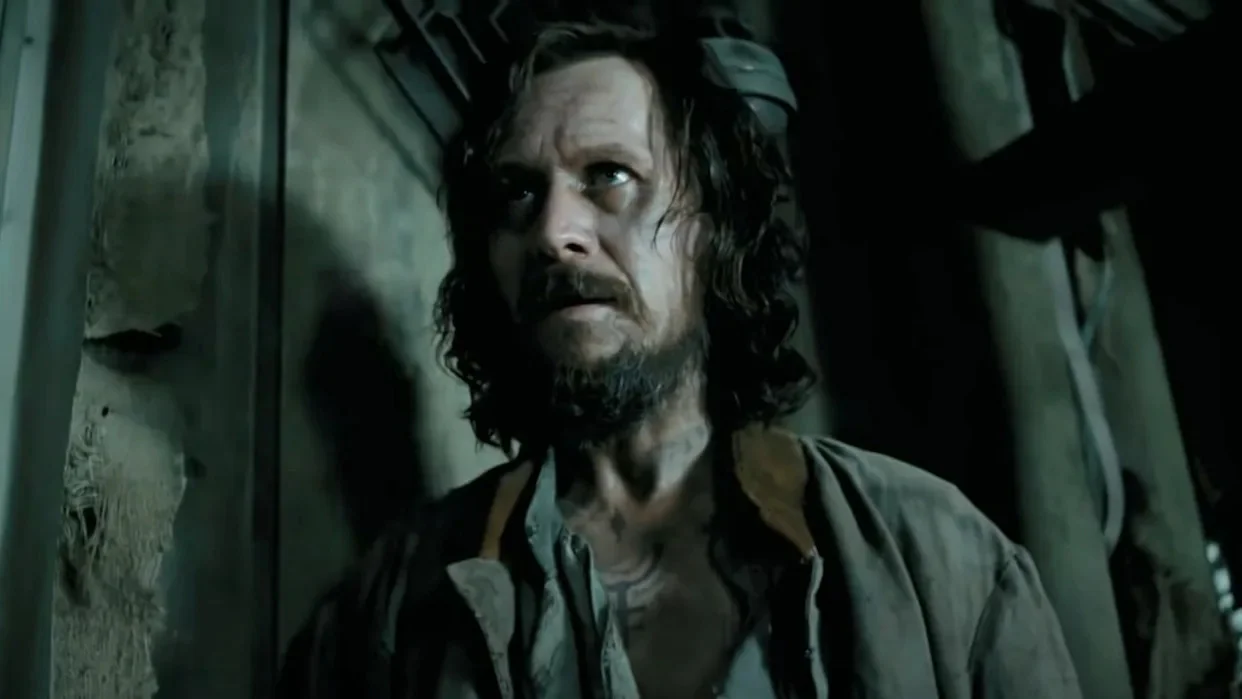
As Sirius Black in Alfonso Cuarón’s
“Harry Potter and the Prisoner of Azkaban,”
Oldman brings intensity and heartfelt depth to the beloved wizarding world. First introduced as a feared fugitive, Sirius evolves into Harry’s (Daniel Radcliffe) beacon of connection to his lost family. Oldman’s portrayal oscillates between frenetic edge and deep tenderness, embedding the character with layers of trauma, loyalty, and love.
The dynamic between Oldman and the young leads, including Emma Watson as Hermione Granger, develops some of the series‘ most emotional arcs. Sirius is haunted by years of injustice but still manages to show genuine care for Harry. In a fantasy universe filled with magic and myth, Oldman ensures that Sirius Black’s sorrow and protectiveness feel authentic, making his loss one of the saga’s most affecting moments. His legacy, much like the mark left by the series’ ensemble, endures far beyond his appearances on screen.
3. Tinker Tailor Soldier Spy (2011): The Art of Subtlety with George Smiley
“It’s the oldest question of all, George. Who can spy on the spies?”
—John le Carré (from the film’s dialogue)
In Tomas Alfredson’s adaptation of John le Carré’s Cold War espionage novel “Tinker Tailor Soldier Spy,” Oldman gives arguably his most nuanced performance as George Smiley. Unlike the showier roles on this list, Smiley’s strength lies in quiet observation and calculated restraint. Oldman scarcely raises his voice, instead communicating intensity through gesture and silence—a masterclass in understated tension.
The film’s formidable cast includes Benedict Cumberbatch, Colin Firth, Stephen Graham, and more, many playing characters hiding motives and secrets. Yet even among this ensemble, Oldman’s Smiley guides the narrative with steady authority. The deep undercurrent of loyalty and betrayal offers a stark contrast to his previous fiery roles, highlighting his capacity for depth and subtlety. Oldman’s work here earned him a well-deserved Oscar nomination and stands as one of the strongest interpretations of le Carré’s material on screen.
2. Bram Stoker’s Dracula (1992): Oldman’s Tour de Force as the Count
“I have crossed oceans of time to find you.”
—Gary Oldman as Count Dracula
Francis Ford Coppola’s “Bram Stoker’s Dracula” elevates the vampire legend into a Gothic spectacle, with Oldman at its heart. As Count Dracula, he morphs seamlessly between tormented soul, romantic figure, monstrous predator, and tragic anti-hero. The performance is operatic in scale—dramatic, grandiose, yet always grounded by Oldman’s remarkable intensity. His chemistry with Winona Ryder (Mina Murray / Elisabeta) adds emotional resonance and complexity to the mythic narrative.
The film’s risky visual style and elaborate costumes could have easily tipped into camp, but with Oldman’s presence, Dracula becomes both fearsome and sympathetic. The way he transforms his body and voice for each incarnation of the Count keeps the film anchored, even amidst its more extravagant flourishes. His ability to balance horror, passion, and sorrow marks this as a defining role in the long history of cinematic Draculas, and underscores his gift for finding humanity in the monstrous.
1. Darkest Hour (2017): An Oscar-Winning Transformation as Winston Churchill
“You cannot reason with a tiger when your head is in its mouth!”
—Gary Oldman as Winston Churchill
In Joe Wright’s “Darkest Hour,” Oldman disappears under prosthetics and makeup to portray Winston Churchill at Britain’s most perilous moment during World War II. Far from a caricature, his Churchill is complex—combining stubbornness, wit, and trepidation with humanity and tremendous willpower. Whether delivering thunderous speeches in Parliament or quietly reflecting on the cost of leadership, Oldman imbues the character with life well beyond mimicry.
The supporting cast, including Charley Palmer Rothwell and Hannah Steele, contribute to a vivid historical tableau, but it’s Oldman’s towering central performance that propels the film. He was awarded his first Academy Award for this portrayal, a recognition as much for the mastery of this role as for the many extraordinary ones that led to it. Historians may note artistic liberties, but Oldman’s Churchill remains true to the spirit and emotional reality of the man, anchoring the film’s tension, inspiration, and historical weight.
From embodying icons and outcasts to redefining familiar stories, these essential Gary Oldman movies ranked above demonstrate how his powerful performances have shaped modern cinema. Whether sinking into darkness or emerging as a beacon of resilience, Oldman’s legacy is secured through characters both unforgettable and richly human. With each role, he challenges the idea of what an actor can become, and his influence continues to inspire actors and filmmakers worldwide.
Our Reader’s Queries
Q. Were David Bowie and Gary Oldman friends?
A. Gary Oldman shares details about the last time he spoke with his good friend, David Bowie.
He talks about their conversation and how much it meant to him.
Oldman remembers this moment as very special, looking back with both sadness and fondness.
