
Ridley Scott’s Blade Runner Cut has become a defining example of how a director’s vision can evolve. Originally released in 1982 to lukewarm responses, this sci-fi noir film gradually gained recognition and is now celebrated as a landmark in American cinema. Scott credits the various versions of Blade Runner for capturing different facets of the story, but he identifies the Final Cut as the definitive edition representing his true intent.
Exploring the Different Versions of Blade Runner
Blade Runner is unique in having five distinct versions, each offering its own interpretation of the narrative. The 1982 theatrical release is often criticized for Harrison Ford’s noticeable voiceover as Rick Deckard, which some felt dulled the film’s impact. This narration was inspired by pulp crime novels and detective stories but was seen by many as detracting from the visual storytelling. The 1992 director’s cut improved upon the original but still fell short of Scott’s complete vision.
It wasn’t until 2007 that the Final Cut was released, a version fully supervised by Scott that aligned with his original intentions. This cut removed the studio-mandated happy ending and replaced it with a darker conclusion featuring Deckard’s fall in an elevator shaft, strengthening the film’s moody and bleak atmosphere. This edition has since become the most widely seen and praised version by audiences and critics alike.
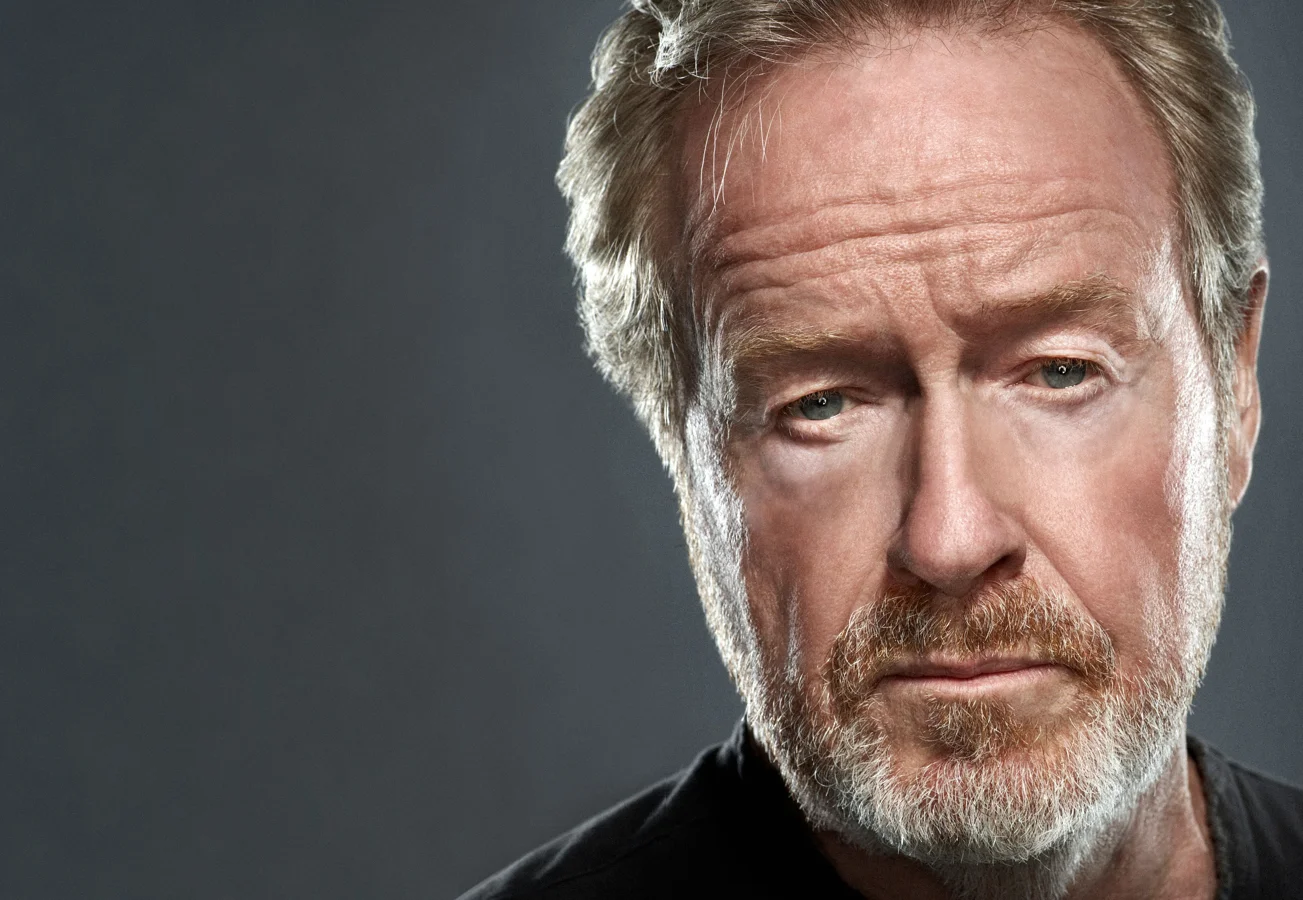
Scott acknowledged in an interview with Steven Weintraub of Collider that all versions have merit, stating:
“I know the version I like, which was the one that ends in the elevator shaft and the one that has no going off to this beautiful mountain range,”
—Ridley Scott, Director
He also defended the original narration as an homage to the hard-boiled detective style that influenced the film, inspired by Martin Sheen’s narration in Apocalypse Now, which he viewed as the “central soul” of that story’s character. Despite this, the Final Cut’s vivid depiction of a dystopian, rain-soaked Los Angeles, with its complex themes of technology and humanity, remains the preferred way to experience Blade Runner’s enduring legacy.
Blade Runner Holds Deep Personal Meaning for Ridley Scott
Beyond its cinematic achievements, Blade Runner holds profound significance for Ridley Scott on a personal level. During the red carpet event for the premiere of Alien: Romulus, which he produced, Scott revealed his top four favorite films on Letterboxd, including Blade Runner among them. This choice reflects not only professional pride but also the intimate connection he has with the film’s themes and creation.
Scott shared with The Guardian that Blade Runner was his “most complete and personal film,” developed in the aftermath of grieving his brother Frank, who had died from terminal cancer after serving in the Royal Navy. The film’s exploration of mortality and existential questions can be seen as a reflection of Scott’s processing of loss and the fragility of life.
The emotional weight is further embodied in Rutger Hauer’s iconic “Tears in the Rain” monologue, which gains additional poignancy when considering Scott’s experiences with personal tragedy. Later, the loss of his other brother, director Tony Scott, casts further shadows on the film’s themes of despair and humanity’s blurred boundaries with artificial life.
These layers of sorrow and reflection elevate Blade Runner beyond mere science fiction, positioning it as a somber meditation on existence that continues to resonate deeply with viewers and with Scott himself.
The Enduring Influence and Legacy of Blade Runner
Blade Runner’s impact extends far beyond its initial release, influencing countless works within the sci-fi genre and beyond. The movie’s rich visual style, complex characters, and philosophical questions about artificial intelligence and identity have cemented it as a timeless masterpiece. Ridley Scott’s thoughtful revision of the film through its various cuts ensures that audiences can engage with the story in different ways, each highlighting distinct emotional and thematic elements.
For fans and new viewers alike, the Final Cut offers the most immersive experience, portraying a technology-suffused Los Angeles suffused with distrust and longing. As the film continues to inspire discussions about humanity, memory, and mortality, its significance is unlikely to fade. Scott’s prioritization of this version encourages viewers to revisit Blade Runner with fresh eyes and appreciate the nuanced artistry behind one of sci-fi’s greatest achievements.
