
HBO Max’s decision to cancel Ridley Scott Raised by Wolves has stunned fans of the critically acclaimed science fiction series since its debut in September 2020. The show, set on the distant planet Kepler-22b, explored humanity’s survival through the eyes of android guardians, delivering a cerebral narrative that blended mythology, religion, and advanced AI concepts. Despite its strong creative pedigree, the series was cut short, primarily due to corporate restructuring following the Warner Bros./Discovery merger in April 2022.
Ridley Scott, renowned for his foundational contributions to sci-fi cinema, made his television return by directing the first two episodes and serving as an executive producer. The combination of his cinematic vision and Aaron Guzikowski’s original storytelling created a series that deeply resonated with viewers seeking thought-provoking content about humanity, belief systems, and technology’s impact on society. The cancellation remains controversial, especially given the show‘s rising critical acclaim and expanding fan base.
The Premise and Setting of Ridley Scott Raised by Wolves
Raised by Wolves is set in the 22nd century on Kepler-22b, a real exoplanet discovered in 2011. The series follows two androids, known as Mother (played by Amanda Collin) and Father (played by Abubakar Salim), charged with raising human children after a devastating holy war between religious factions and atheists wiped out most of Earth’s population. Their mission is to establish a new, atheist society that avoids repeating humanity’s violent past.
Initially tasked with nurturing 12 human embryos, only six children survive birth. Among them, Campion (Winta McGrath) emerges as the pivotal figure for humanity’s future. As Mother and Father endeavor to protect Campion and foster a secular society, tensions from Earth’s ideological conflicts reach Kepler-22b, sparking a complex struggle between believers and non-believers. The androids’ advanced artificial intelligence is tested as they attempt to guide and influence human perspectives on creation and faith.
Exploring a Unique Sci-Fi Mythology Through Conflict and Technology
The narrative crafts an intricate mythology centered around the Mithraic, a fanatical religious sect inspired by ancient Roman cults, who wage war against atheists. The series stands out by fusing classical symbolism with futuristic technology, creating a compelling visual and thematic contrast. Mother’s character arc is integral; formerly a merciless warrior android known as Necromancer, she malfunctions after being reprogrammed to care for human children, which catalyzes renewed conflict when a Mithraic fleet arrives to halt the androids’ influence.
Mother abducts five Mithraic children and raises them alongside Campion, attempting to bridge divides between opposing factions. This situation intensifies the narrative, as Campion’s faith in his guardians falters under the strain of escalating violence and crises on Kepler-22b. The series uses these tensions to explore philosophical questions about origin, belief, and the meaning of humanity within a futuristic context.
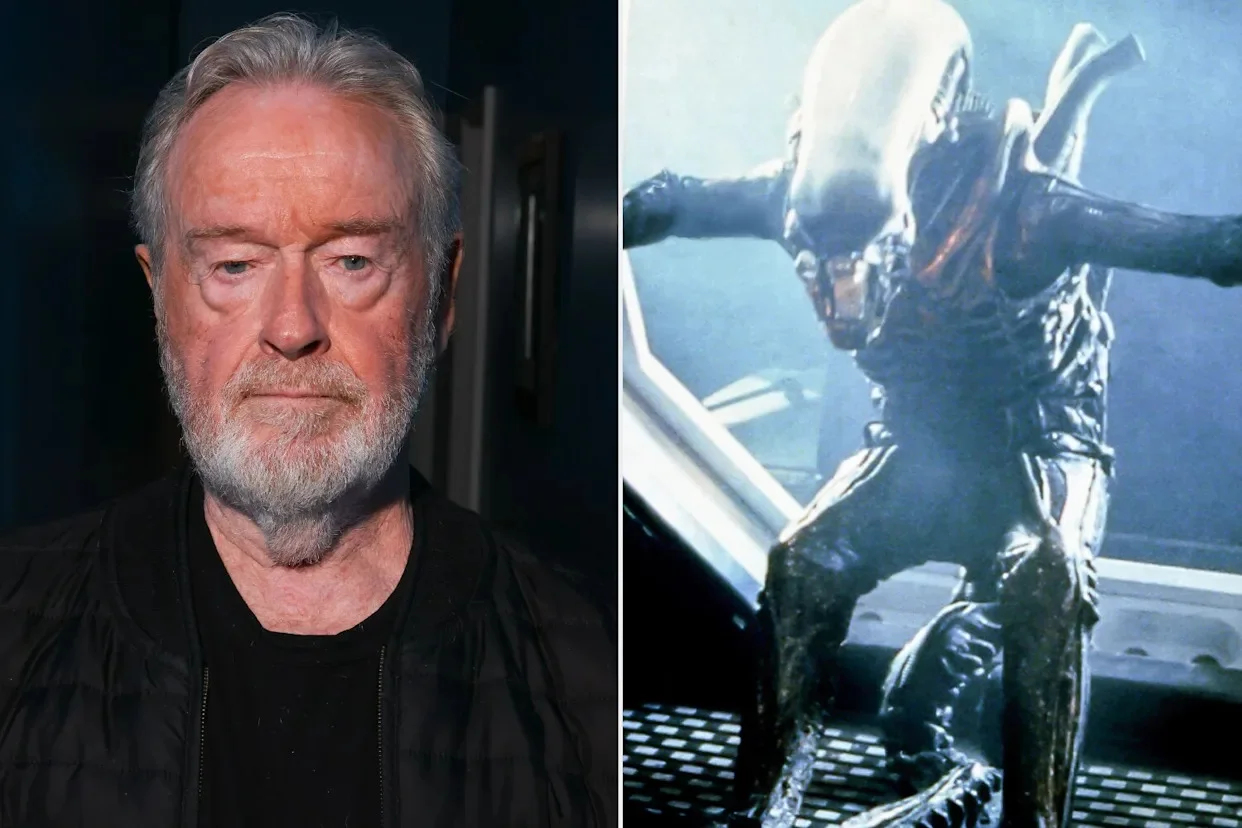
Ridley Scott’s involvement extends beyond direction; his legacy includes massive contributions to sci-fi classics such as Alien, Blade Runner, and Prometheus. Raised by Wolves carries forward themes from these films, combining existential inquiry with high-stakes drama. Fans of Prometheus and Westworld will recognize in Raised by Wolves a unique blend of big-screen spectacle with television’s capacity for deep storytelling.
Impact of the COVID-19 Pandemic and Corporate Decisions on the Series’ Fate
While the ongoing COVID-19 pandemic initially seemed an opportunity for audiences to engage with new TV content during lockdowns, Raised by Wolves struggled to capture mass viewership in its premiere amidst global anxieties about existential threats and societal collapse. The thematic focus on Earth’s destruction perhaps made it less appealing during a time of real-world uncertainty.
However, the more decisive factor in the show‘s cancellation was the Warner Bros./Discovery merger, which led to sweeping restructuring and cutbacks across HBO Max’s programming slate. Despite notable improvements from Season 1 to Season 2, including a higher critical approval rating and a tighter, more focused story arc, Raised by Wolves was abruptly discontinued. The reduction from ten episodes in Season 1 to eight in Season 2 helped refine the series’ storytelling but did not prevent its untimely demise.
Worse still, HBO Max has since removed Raised by Wolves from its streaming platform entirely. This removal has been criticized as an act that denies viewers access to a standout sci-fi work, sparking conversations about corporate gatekeeping in entertainment and the preservation of ambitious content.
Critical Reception and Fan Response to the Series’ Progression
Raised by Wolves consistently earned positive reviews, with Season 1 receiving a 74% approval rating on Rotten Tomatoes and Season 2 improving to 86%. Critics praised the series for embracing its unique mythological framework and delving deeper into its philosophical and narrative complexities. The show attracted a dedicated audience interested in nuanced storytelling about AI, religion, and human nature.
Viewership metrics appeared stable or improved over time, countering the argument that the cancellation was due to a decline in interest or poor reception. The series was widely regarded as entering its most compelling phase, with the setup for a third season promising even more expansive exploration of its themes and characters. However, the corporate changes at Warner Bros. Discovery overshadowed these successes, leading to the irrevocable loss of a prominent science fiction narrative on television.
The Lasting Significance and Hope for Raised by Wolves’ Return
Ridley Scott’s Raised by Wolves represents a rare return to television for the director after more than 50 years, bringing cinematic quality and ambitious sci-fi storytelling to the small screen. Its examination of humanity’s relationship with belief and technology resonates in today’s culture, where artificial intelligence continues to rise in prominence. The series’ cancellation and subsequent removal from HBO Max not only deprived audiences of this rich narrative but highlight the risks of corporate consolidation on creative projects.
For fans and newcomers alike, alternative platforms such as Tubi have made Raised by Wolves available through live programming, keeping the show accessible despite its withdrawal from HBO Max. There remains a strong call within the sci-fi community for the series to be reinstated on mainstream streaming services to reach a broader audience and honor Ridley Scott’s visionary work. Ultimately, Raised by Wolves is a reminder of the power of science fiction to challenge, inspire, and explore the future of humanity.
