
The Man With No Name, the enigmatic figure portrayed by Clint Eastwood in Sergio Leone’s Dollars Trilogy, was originally meant to have a detailed backstory in the first film, Fistful of Dollars. However, Eastwood convinced Leone to eliminate this background, preserving the character’s anonymity and mystique. This choice left audiences uncertain whether the poncho-clad gunslinger in the trilogy’s three films is a singular person or three distinct characters, reinforcing the figure’s status as an elusive anti-hero.
The trilogy’s narrative does not dwell on the Man With No Name’s history, focusing instead on his interactions with other characters. This approach fits the drifter role Eastwood embodies, as someone disconnected from family or past ties, but initially, there was an intention to clarify his motivations by explaining his past in greater detail.
The Planned Prologue That Would Have Revealed the Man With No Name’s Origins
According to Richard Schenkel’s biography, Clint Eastwood: A Biography, Sergio Leone had scripted a prologue for Fistful of Dollars that was never filmed. This introduction would have shown a young version of the Man With No Name witnessing the tragic death of his mother at the hands of gang members. This backstory was designed to parallel the fate of Marisol, a character in the film portrayed by Marianne Koch, who is torn from her husband and son amid the Rojo-Baxter conflict.
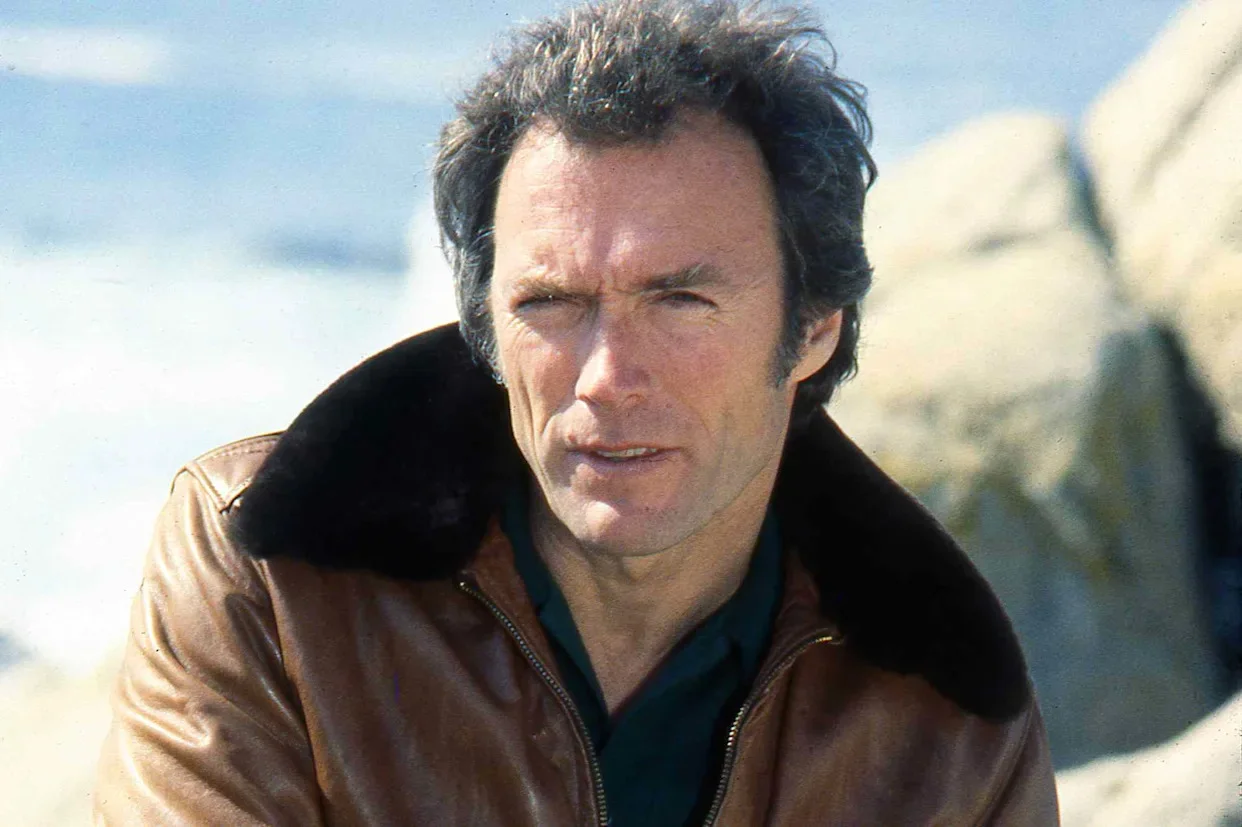
In the planned prologue, the young boy’s mother would have been murdered, with the trauma shaping his later life as a hardened drifter. This element would have provided insight into the character’s acceptance of violence and death, which follow him throughout the trilogy.
Hints of the Cut Prologue Are Present in Fistful of Dollars
Even though the prologue was ultimately discarded, its influence lingers in the film’s narrative and character development. The Man With No Name acts largely out of self-interest, contrasting with classic Western heroes like John Wayne and Randolph Scott. Yet, moments of compassion reveal a deeper complexity.
An example is when the Man With No Name frees Marisol under cover of darkness and offers her some money. When she inquires about his motives, he responds,
“Because I knew someone like you once, and there was no one to help.”
—Clint Eastwood, Actor
This cryptic statement suggests a personal tragedy that motivates his rare acts of kindness, aligning with the content of the unused prologue and supporting the idea that he was driven by the pain of losing a loved one without aid. This subtle line serves as a poignant hint to the character’s untold past.
Eastwood’s Argument Against Including a Detailed Backstory
Despite the meaningful context the prologue could have provided, Clint Eastwood himself persuaded Sergio Leone to omit it. Eastwood believed the character’s origins were better left vague, allowing viewers to fill in the blanks with their own imagination. According to Schenkel’s biography, Eastwood argued that
“In a B movie, we tell everybody everything. But in a real Class A movie, we let the audience think.”
—Clint Eastwood, Actor
Leone initially resisted this suggestion, feeling a clearer backstory was necessary for the audience to understand the protagonist. Eastwood’s insistence won out, and the film’s final cut contains only a faint trace of the character’s background through his interaction with Marisol.
The Effect of Cutting the Backstory on the Dollars Trilogy
This decision has had lasting effects on the Dollars Trilogy, which remains one of Clint Eastwood’s most iconic works. The character’s vague origins contribute to the trilogy’s enduring appeal, allowing the Man With No Name to embody the archetype of the mysterious anti-hero rather than a conventional protagonist with a defined personal journey.
By keeping the backstory under wraps, Eastwood ensured that the Man With No Name retained an unpredictable and elusive quality. This choice enhances the tension and unease that permeate the films, fitting the uneasy tone of the story and providing a lens through which viewers can explore themes of loss, survival, and moral ambiguity in the violent landscape of the Western frontier.
Our Reader’s Queries
Q. Is Clint Eastwood vegetarian?
A. Clint: “Every day, I take only the basic vitamins, not full supplements. I mostly follow a vegan diet with lots of fruits, vegetables, tofu, and other soy-based foods. Occasionally, if I want to, I eat chicken, fish, or turkey, but I avoid red meat, cheese, and fried foods.”
Q. Was Clint Eastwood a good dad?
A. Eastwood had many relationships and became a joyful father to eight children. Despite several divorces, he remained a loving and attentive parent.
Q. Was Clint Eastwood a faithful husband?
A. While married to Johnson, Eastwood had more relationships, including one with stuntwoman Roxanne Tunis from 1959 to 1973. This relationship resulted in a daughter, Kimber, born in 1964. Eastwood and Tunis maintained a positive relationship until Tunis passed away in 2023.
Q. Was Clint Eastwood a religious man?
A. One interesting part of Clint Eastwood’s speech was that he didn’t mention the Bible, God, or praise religious institutions. Even though he identified as a conservative, he seemed more secular.
