
Michael Keaton‘s venture into horror with the 2005 film White Noise was met with largely negative reviews, yet it held a surprising influence over the industry’s approach to the box office, particularly in the early months of the year. Keaton, known for his versatility in Hollywood with a career spanning several decades and genres from superhero classics like Batman to comedies like Mr. Mom, delivered a distinct performance in a genre he rarely explored before.
Unlike his collaborations with Tim Burton, such as the cult favorite Beetlejuice, which blend horror with strong comedic elements, White Noise positioned itself as a more straightforward supernatural thriller. Directed by Geoffrey Sax, the film follows architect Jonathan Rivers as he attempts to reach his deceased wife through electronic voice phenomena (EVP), weaving themes of grief and the unexplained into its narrative. However, despite its intriguing premise, the film struggled to fully realize its potential.
Keaton’s Performance Shines Despite the Film’s Flaws
Though White Noise is often considered one of Michael Keaton’s lesser-known and less successful projects, his acting remains the film’s most commendable feature. The story’s focus on supernatural communication allows Keaton to depart from his more flamboyant roles, showcasing a serious and believable portrayal of a man haunted by loss. His nuanced performance elevates the material, giving depth to an otherwise formulaic narrative.
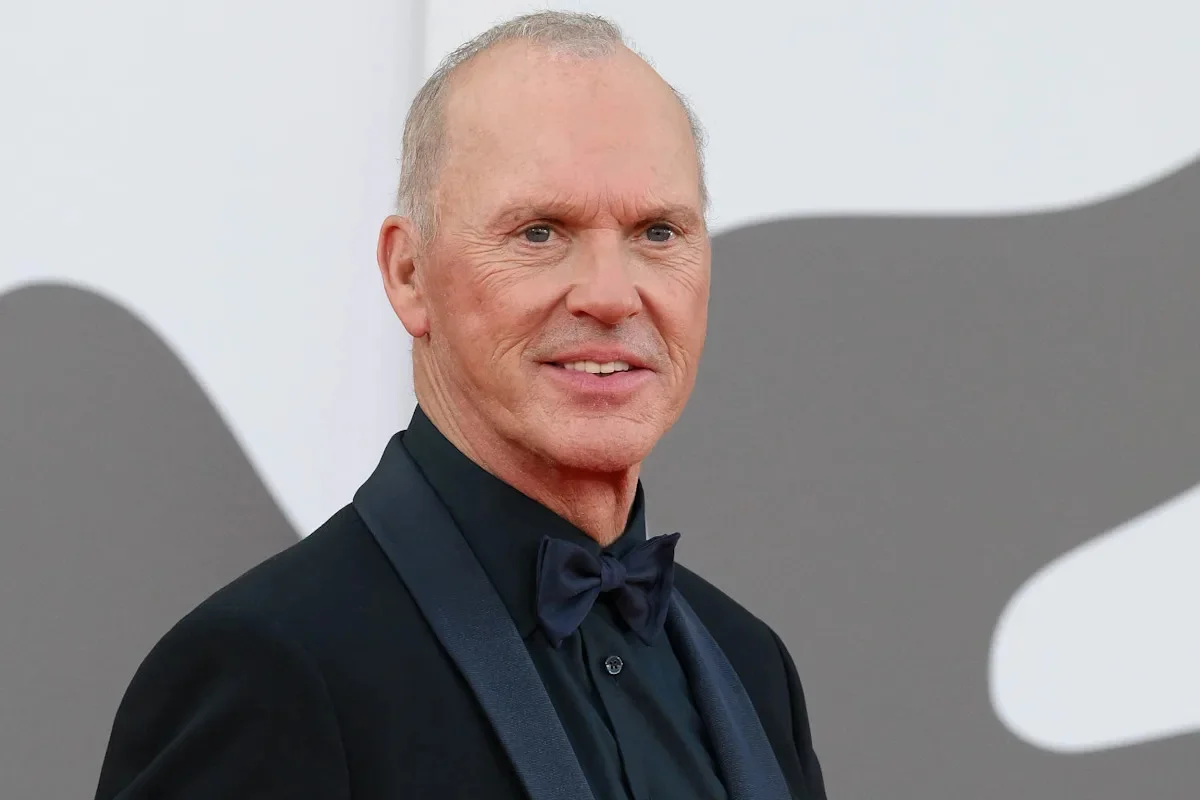
Critically, the movie relies heavily on predictable jump scares and includes a key plot twist that falls flat due to its underdeveloped execution. These shortcomings render the movie fairly forgettable compared to stronger entries in the horror genre. Nevertheless, Keaton’s presence offers an engaging anchor that holds the film together through its weaker moments.
Following his work on White Noise, Keaton continues to collaborate with renowned actors, including a forthcoming crime thriller alongside Robert De Niro on Netflix, further proving his ongoing relevance and talent in the industry.
How White Noise Redefined January as a Viable Release Window for Horror Movies
Before White Noise, January was widely regarded as a challenging month for movie releases, especially for horror films that rarely found success during this period. This reluctance stemmed from long-standing audience behavior and industry assumptions about the first quarter being a “non-starter” for box office gains. However, the performance of Keaton’s horror picture in early 2005 began to shift these perceptions.
Universal Pictures chairman Adam Fogelson spoke about this transformation during the 2013 CinemaCon State of the Industry Panel, highlighting the unexpected yet important role White Noise played. He noted that despite being a modestly scaled film, it performed remarkably well financially, earning over nine times its production budget. This success helped Universal develop confidence in releasing films year-round, breaking from the cycle of only banking on tentpole hits or avoiding early-year openings.
“Anne Thompson: Why don’t more studios fill in the gaps that are all too apparent every first quarter, why don’t they book films all year round, as Universal does?
Adam Fogelson: As a studio that does not have the luxury of relying on tentpole films… the discipline of doing that has created a real confidence inside our organization that if you really examine the data, there are very few reasons other than historical behavior why almost any film can’t work on almost any weekend. There are any number of things. The first weekend in January used to be a non-starter for people, we had a this little horror movie ‘White Noise’ that did business, and that has become a place where movies that that tend to operate/”
—Adam Fogelson, Universal Pictures Chairman
This revelation suggested that success in traditionally difficult periods largely depended on reexamining entrenched habits rather than audience disinterest. Universal’s strategy, informed by White Noise’s results, encouraged the industry to reconsider January as a profitable window for genre films, especially horror.
The Financial Upside and Legacy of White Noise
Although White Noise never became widely celebrated for its artistic merit, its financial achievements made it a significant case study for studios. The film‘s cost-effective production and substantial box office return demonstrated that smaller-scale horror projects could defy conventional release timing and still succeed. This success emboldened Universal and others to schedule similar films in the early part of the year, altering the typical Hollywood release calendar.
White Noise’s role as a pioneer in this respect means it quietly influenced how studios strategize horror film launches, providing an example that risk-taking with release dates can pay off. The film’s impact extends beyond its plot and reviews, representing a shift in the movie industry’s understanding of market dynamics, particularly during months previously dismissed as unprofitable.
Cast and Characters Behind White Noise
The film stars Michael Keaton as Jonathan Rivers, an architect overwhelmed by the loss of his wife and driven to explore EVP to reconnect with her. Supporting roles include Chandra West as Anna Rivers, Deborah Kara Unger as Sarah Tate, and Ian McNeice as Raymond Price. Their performances contribute to the eerie atmosphere and emotional undercurrents central to the narrative.
Through their portrayals, White Noise attempts to fuse supernatural themes with human drama, exploring how grief can blur the boundaries between life and death.
Our Reader’s Queries
Q. Why did Michael Keaton and Courteney Cox split?
A. “They started their relationship a year after he broke up with his wife,” said a friend of Courteney. “In the beginning, Michael declared his eternal love. However, after dating for about a year, they argued because Courteney wanted to get married, but Michael did not.”
Q. What is Michael Keaton’s religion?
A. Keaton grew up in a Catholic household. He mentioned that he enjoyed attending Catholic school and serving as an altar boy. The school played a significant role in shaping his identity.
Q. Why did Courteney Cox and Michael Keaton split?
A. Ultimately, they believed he and Courteney were not compatible. The actress also told a close friend, “Michael isn’t ideal for marriage. I will always love him, but I can’t wait forever.”
