
Comedy legend Mel Brooks has recognized Quentin Tarantino‘s Inglourious Basterds as one of the finest films of the 21st century, highlighting its unique approach to confronting Nazi fascism. This endorsement came as part of a New York Times list, compiled in 2024, that gathered opinions from prominent filmmakers, actors, and creative industry figures to identify the century’s greatest films. Brooks’ admiration for Quentin Tarantino Inglourious Basterds reflects a shared artistic mission to undermine Nazi ideology through cinema, though they employ different genres and tones to achieve this goal.
How Inglourious Basterds Explores the Influence of Cinematic Myth
At its core, Inglourious Basterds dissects the immense power that cinematic imagery wields over public perception and history. The film intertwines three distinct narrative threads that expose and challenge Nazi propaganda’s capacity to manipulate audiences. First, there is the Nazi propaganda film within the story, crafted to elevate a skilled sniper as an almost messianic figure of vengeance, inciting loyalty among Nazi supporters. Then, Shosanna, a French Jewish refugee played by Mélanie Laurent, uses a covert screening of her own film to exact revenge by setting fire to a packed theater during the premiere of the Nazi propaganda piece, symbolically burning away the lie. Meanwhile, a group of resistance fighters resembling the Dirty Dozen employ deception and acting skills to infiltrate the Nazi ranks, culminating in the assassination of Adolf Hitler, portrayed by Martin Wuttke.
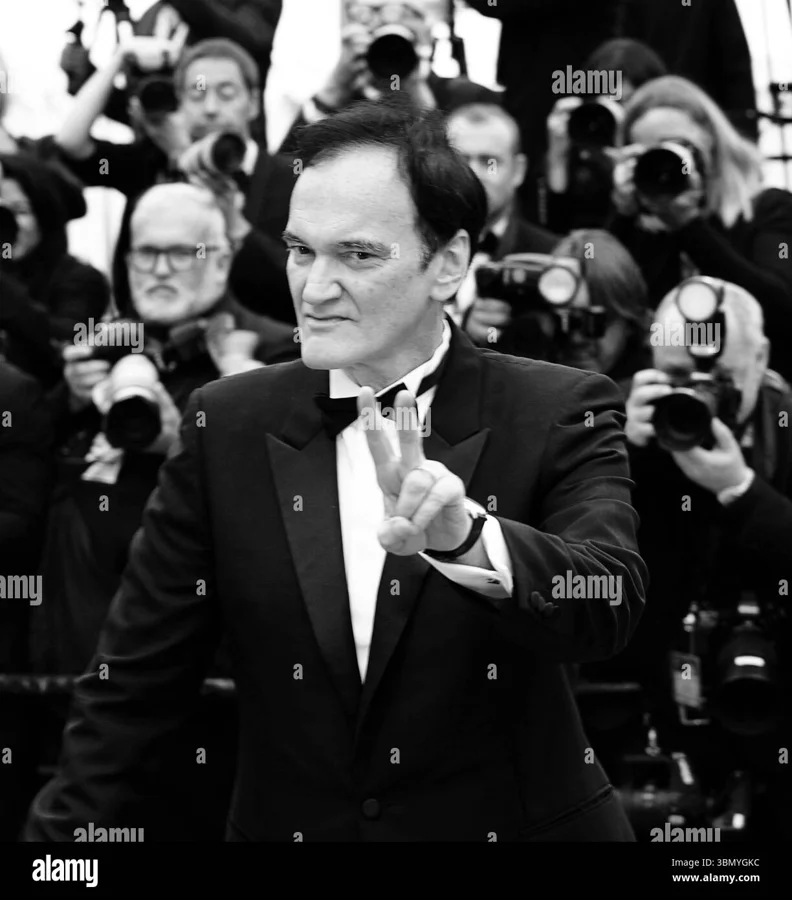
While two of these infiltrators happen to be comedians, the film demonstrates how the art of persuasion through storytelling—whether through lies or truth—can either entrench or dismantle oppressive beliefs. Cinema’s historical role in promoting Nazi ideals, especially through films like Leni Riefenstahl’s Triumph of the Will, is notorious for glamorizing fascism. Quentin Tarantino’s understanding of cinema’s psychological grip allows him to reveal how film can be weaponized by those in control, yet also reclaimed to subvert and destroy harmful myths.
Mel Brooks’ Philosophy of Using Comedy to Deflate Nazi Authority
While Mel Brooks does not focus as heavily on cinematic history as Tarantino, his own body of work reflects a similar determination to ridicule and strip away the power of Nazi imagery. Brooks’ theater background contributed to his filmmaking style, evident in his breakout film The Producers, which features the infamous musical number Springtime for Hitler. This sequence, although comedic, carefully mirrors authentic Nazi staging and aesthetics, balancing dark satire with accurate period motifs. Brooks mocks Nazi pomposity by juxtaposing serious uniforms and marches with absurd props like bratwursts and pretzels, emphasizing the ridiculousness behind their fascist pageantry.
The character of Franz Liebkind, the deluded Nazi playwright within the musical, is a caricature of narcissism and ineptitude, further undermining the Nazis by portraying their loyalists as pathetic and grotesque. As a Jewish artist, Brooks has consistently expressed the importance of openly mocking Nazis to expose their lack of self-awareness and diminish their terror. This approach aims to surgically remove the fear and reverence that Nazis desired, delivering their power into the realm of ridicule through relentless humor.
Shared Methods: How Brooks and Tarantino Use Humor Against Nazis
Although the New York Times article does not provide Mel Brooks’ explicit reasoning for selecting Inglourious Basterds, the link between his comedic style and Tarantino’s film becomes clear through their mutual fascination with undermining fascism. Brooks’ slapstick assaults—throwing tomatoes and banana peels—complement Tarantino’s more cinematic reversal, in which Nazis are outwitted and visibly humiliated. While Brooks mocks the exaggerated bravado and rigid discipline of the Nazis with broad comedy, Tarantino showcases their downfall with grim humor and brutal visual symbolism, such as carving swastikas into their charred bodies.
Many recognize Mel Brooks primarily for comedy, whereas Tarantino is less identified as a comedic filmmaker, yet Inglourious Basterds stands out as his most anarchic and gleeful film in terms of dismantling fascist power. It embodies a fiercely subversive spirit, blending uproarious humor with political commentary in a way that only cinema can achieve. Both artists adhere to the idea that laughter serves as a weapon against trauma and terror, embracing the concept that humor enables us to confront history’s darkest forces without succumbing to despair.
“Mel Brooks doesn’t have the same laser focus on cinematic history as Tarantino does, despite his brilliant recreations of certain period styles in films like Young Frankenstein.” —Anonymous Author
“Brooks has long attested that, particularly as a Jewish artist, he believes it’s imperative to openly mock and ridicule the Nazis for their stunning lack of self-awareness and tacky sensibilities.” —Anonymous Author
“There’s no way Brooks watched Inglourious Basterds and didn’t laugh in recognition at how Tarantino was more or less playing from the same rule book as Brooks, but from a different angle.” —Anonymous Author
The impact of Mel Brooks’ endorsement of Quentin Tarantino Inglourious Basterds reinforces its significance as both a cultural and political work. It underscores how films can function beyond entertainment—to confront, question, and dismantle powerful, dangerous ideologies. This recognition from a pioneer like Brooks also elevates Tarantino’s film in public consciousness as a key piece in 21st-century cinema that wields humor and violence as tools of resistance. As audiences continue to revisit this film, its dual legacy of artistic innovation and political defiance remains vital, reminding viewers that storytelling shapes history and collective memory in profound ways.
Our Reader’s Queries
Q. Is Quentin Tarantino neurodivergent?
A. Famous filmmakers known to be neurodivergent include Steve McQueen, David Lean, Charlie Chaplin, and Stan Brakhage. Others like Stanley Kubrick, Steven Spielberg, Quentin Tarantino, Martin Scorsese, and Alejandro G. Iñárritu are also well-known for their work in movies.
