
James Gunn has ignited widespread controversy by describing Superman as “the story of America,” emphasizing the character’s immigrant origins. This perspective has stirred intense discussion amid ongoing national debates about identity and immigration in the United States.
Gunn’s remarks come as the new Superman film prepares to launch the DC Universe with a fresh take, positioning the iconic superhero within a politically charged cultural moment where superhero stories often intersect with contemporary issues.
James Gunn Portrays Superman as America’s Immigrant Symbol
In an interview with The Times, James Gunn stated,
“Superman is the story of America,”
highlighting how the character embodies an immigrant experience. He elaborated,
“An immigrant that came from other places and populated the country, but for me it is mostly a story that says basic human kindness is a value and is something we have lost.”
Gunn’s interpretation firmly places immigration at the core of the Superman story, framing the character as an immigrant who arrives in a new land with the hope of contributing to a better society. This portrayal echoes ongoing political debates in the U.S. about immigration policy and national identity, signaling that the film is deliberately engaging with timely and contentious themes.
The new Superman movie aims to reboot the DC Universe with a lively and accessible approach, eschewing complex setups in favor of straightforward storytelling. However, by linking the Man of Steel to immigrant narratives, Gunn has ensured that the film is embedded within larger societal discussions about who America is and what values it should defend.
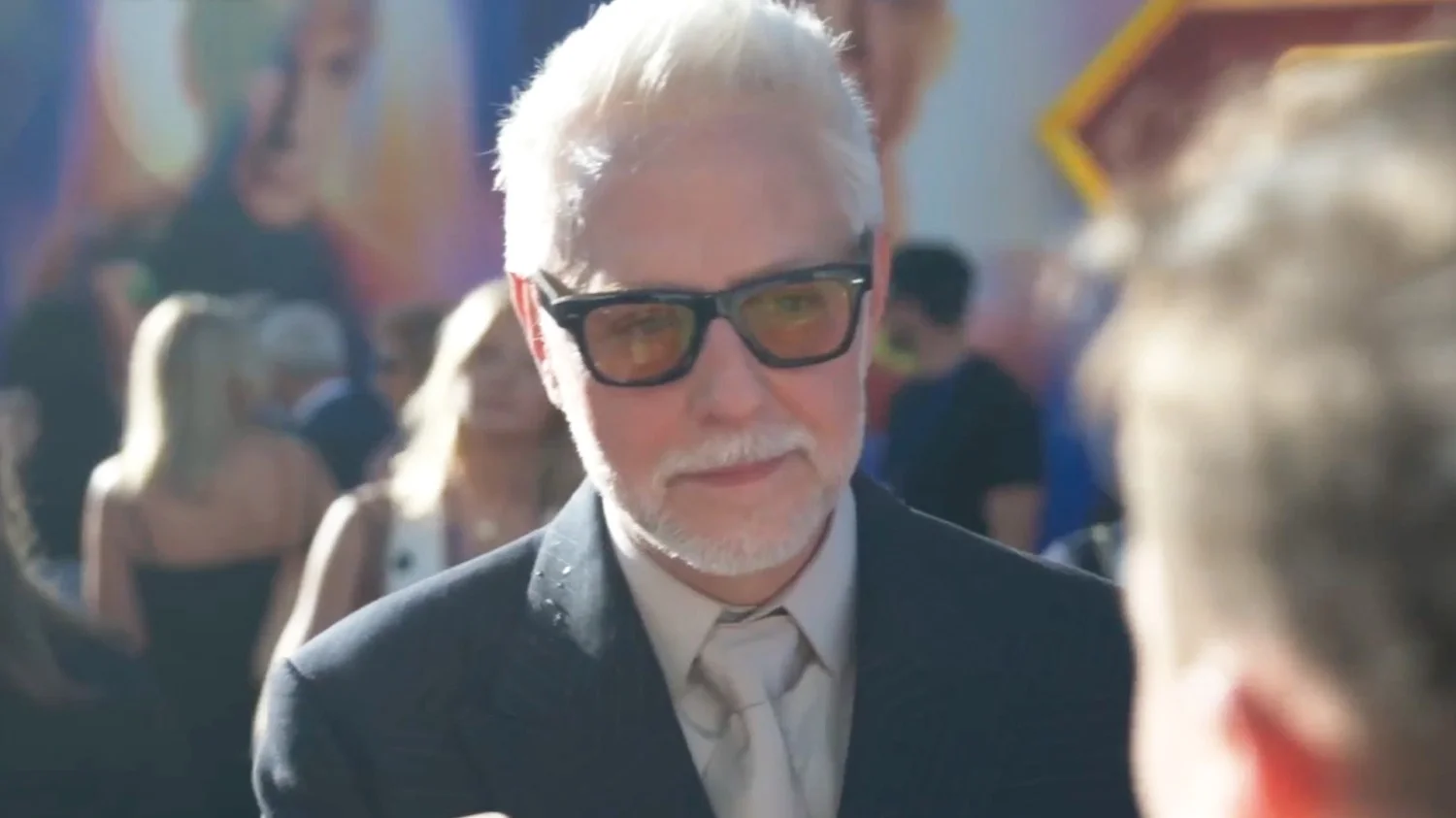
James Gunn’s History of Political Controversy and Public Backlash
James Gunn is no stranger to political debates, having attracted significant criticism for his outspoken views during Donald Trump’s first presidential term. Early in his career, Gunn became the focus of a right-wing backlash after The Daily Caller resurfaced offensive tweets he posted before his tenure with Disney’s Guardians of the Galaxy franchise.
This controversy led to his temporary dismissal from Guardians of the Galaxy Vol. 3 by Disney. Ironically, Warner Bros. approached Gunn soon after to co-lead DC Studios, underscoring his continued prominence despite the backlash. This background is relevant because it reveals that many of Gunn’s critics were already primed to challenge his latest interpretations, including those related to Superman.
Despite the earlier fallout, Gunn eventually returned to helm Guardians of the Galaxy Vol. 3, demonstrating resilience in the face of public and corporate pressures tied to his political expression.
The Debate Over Superman’s Immigrant Status Takes Center Stage
The ongoing controversy has captured media attention for several days, even receiving coverage on conservative outlets like Fox News. James Gunn has attempted to soften the conversation by stressing the importance of kindness as a core message, but his brother Sean Gunn expressed a more pointed stance, declaring in an interview with Variety,
“People who say no to immigrants are against the American Way.”
The conversation has also drawn responses from actors connected to the superhero world. Former Flash star Grant Gustin shared an image by artist J. Gonzo that mocks anti-immigrant sentiments by stating,
“I cannot wait to watch an illegal alien absolutely ruin the plans of a billionaire.”
This comment references Lex Luthor, Superman’s iconic antagonist and a former comic book president, underscoring the role immigrant narratives play even in traditional superhero conflicts.
Superman Has Always Embodied Immigrant and Refugee Experiences
The debate surrounding Superman’s immigrant identity may seem exaggerated, considering the character’s foundational story. As an alien from Krypton, who arrives on Earth as a refugee fleeing destruction, Superman’s origin mirrors that of many immigrants and asylum seekers. His adoptive parents would have needed to fabricate a birth certificate, further emphasizing his undocumented status.
This theme is not new. The TV series Smallville explored it explicitly in its sixth season. Supporting this long history, The Times article noted:
“And before you say, ‘Superman has gone woke!’ this is all in Superman’s lengthy history. Superman was written by men from immigrant families and the United Nations High Commissioner for Refugees once released a book in Italy titled Superman Was a Refugee Too. Less than ten years ago DC Comics backed World Refugee Day: ‘The Man of Steel’s story is the ultimate example of a refugee who makes his new home better.’ In the edition of Action Comics No 987, Superman saves a group of undocumented workers from a violent racist.”
This lineage highlights that portraying Superman as an immigrant is an authentic reflection of his origins rather than a recent political adjustment. The terms “immigrant” and “refugee” carry emotional weight in today’s divisive environment, particularly during and after the era of Donald Trump’s administration. Gunn and his brother Sean view the Superman story as central to an immigrant narrative that, in their view, defines America.
As the title of The Times interview rightly anticipated,
“James Gunn: Some people will take offence at my new Superman.”
Although the movie has yet to be released, this prediction has proven accurate, with reactions polarized between praise and offense at Gunn’s framing of the character.
Principal Cast Members Reimagining Iconic Roles
The upcoming Superman film features David Corenswet as Clark Kent / Superman / Kal-El, bringing a fresh face to the legendary role. Rachel Brosnahan stars as Lois Lane, continuing the tradition of strong supporting characters integral to the Superman mythos.
The casting choices contribute to the film’s goal of revitalizing the DC Universe, while simultaneously engaging with the political and social themes the filmmakers have embraced.
The Lasting Impact of Gunn’s Superman Perspective on Cultural Conversations
James Gunn’s decision to frame Superman as an immigrant who embodies core American values has drawn a sharp response amid a climate fraught with political tension. By invoking Superman’s refugee background and connecting it to present-day conflicts over immigration and national identity, Gunn has reignited debates about who belongs in America and what the country represents.
This controversy reflects broader struggles within superhero media to balance entertainment with political resonance—a challenge heightened by today’s polarized climate. The discourse surrounding Gunn’s Superman is likely to influence how audiences interpret the film, potentially shaping its reception beyond box office numbers.
As the release approaches, it remains to be seen how much Gunn’s immigrant narrative will impact the broader cultural conversation and whether the film will inspire dialogue or deepen divides. What is clear, however, is that James Gunn’s Superman stands not only as a superhero but also as a symbol of America’s ongoing debate over identity, belonging, and kindness.
Our Reader’s Queries
Q. Does James Gunn believe in God?
A. James Gunn, set to direct the new Superman film, believes having “faith in God” helped him succeed, though he also states God doesn’t directly intervene.
Q. Why did James Gunn leave the MCU?
A. Alan Horn, the Chairman of The Walt Disney Studios, announced that they found James’ Twitter comments offensive and against the studio’s values, so they ended their business relationship with him.
Q. What religion is James Gunn?
A. Gunn grew up in a Catholic household and still finds prayer important today. However, he also says he is sometimes against religion.
Q. Why is James Gunn leaving MCU?
A. Once Gunn took on the role of co-CEO at DC Studios, he committed solely to that brand. This meant he would no longer work with Marvel Studios. It’s well-known that Gunn, who wrote and directed the Guardians of the Galaxy movies, developed strong friendships with the actors in those films.
