
Mahershala Ali’s acting career struggles continue to puzzle audiences and critics alike, especially considering his remarkable achievements. The release of Jurassic World Rebirth in 2025 highlighted his continued presence and skill, reminding viewers that while dinosaur movies rake in box office profits, Ali remains one of the finest actors working today. As a two-time Oscar winner with more than twenty years of consistent performances on screen, Ali’s talent is undeniable, yet the leading roles and projects that truly showcase his range remain elusive.
Ali built his reputation through many years of supporting roles in television series such as The 4400 and Treme before his breakthrough as Juan in Moonlight earned him the Best Supporting Actor Oscar. Despite this acclaim, his career trajectory has not translated into widespread mainstream stardom. After his second Oscar for Green Book, his visibility seemed to decline, with fewer headline roles offering him the depth and challenge he deserves, even though he kept busy with projects like voice work in Spider-Man: Across the Spider-Verse and collaborations with Julia Roberts.
A Closer Look at Ali’s Defining Roles and Impact
The character of Juan in Moonlight is a perfect example of Ali’s subtle yet powerful acting style. Though his screen time is limited, he commands attention through a nuanced portrayal of a drug dealer who acts as a mentor to the film’s protagonist, Chiron. Juan is complex—stoic but emotionally present, caught between love and moral compromise. Ali’s restrained performance bypasses theatrics, delivering a deeply authentic portrayal that resonated enough to earn him an Oscar.
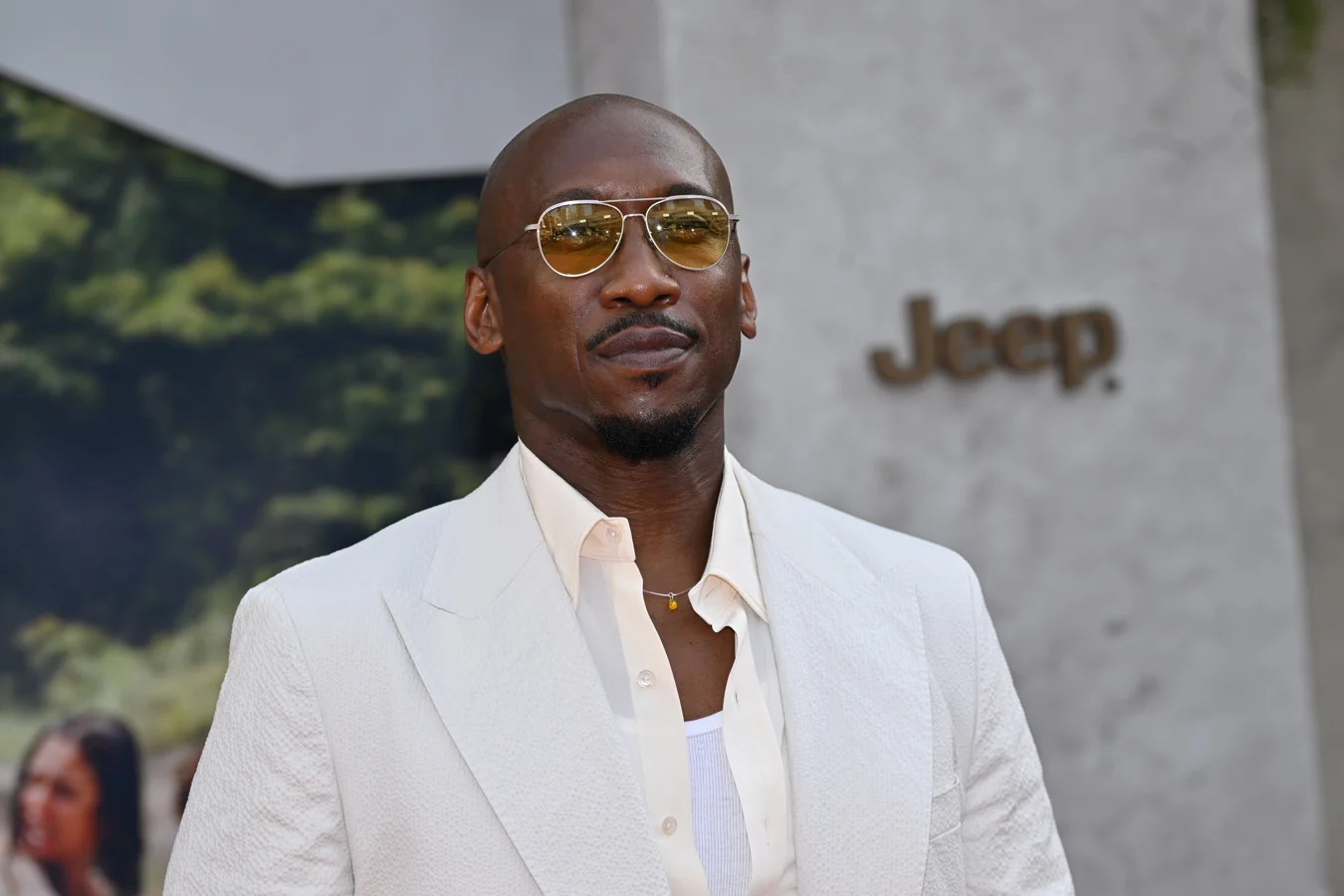
Before Moonlight, Ali’s consistent presence on television was noteworthy. Roles in House of Cards and especially Luke Cage showcased his quiet charisma and ability to own a scene without overt dramatics, even alongside bigger, more showy actors like Kevin Spacey. His style consistently involves a magnetic, calm presence that pulls focus naturally, marking him as one of the most compelling supporting players of the 2000s and 2010s.
The Frustration Surrounding the Delayed “Blade” Project
Perhaps the most glaring example of Mahershala Ali’s stalled momentum in Hollywood is the slow progress of the Blade reboot within the Marvel Cinematic Universe. Announced at San Diego Comic-Con in 2019, Ali was announced as the lead for the iconic vampire hunter—an ideal casting choice given his stoic intensity and physicality. However, six years later, the project seems stuck in development hell. A revolving door of writers, directors, and cast changes, compounded by what Marvel categorizes as “creative differences,” has kept the film off release schedules and left Ali waiting indefinitely.
This frustrating delay not only limits Ali’s opportunities but also signals a missed chance for Marvel to capitalize on a fresh, R-rated vampire action movie. The lack of progress contrasts starkly with the commercial success of similar genre films like Sinners. Despite Kevin Feige’s reassurances of commitment, the project’s stagnation raises questions about Hollywood’s willingness to fully back Ali in a blockbuster leading role.
Steady Roles but Few Leading Opportunities
While the Blade situation remains unresolved, Ali has taken on strong supporting and guest roles in recent years. His performances in the third season of True Detective and the second season of Ramy have kept him visible, with the latter featuring him as a charismatic sheikh who serves as a guiding figure. Nevertheless, there is a noticeable scarcity of lead roles that fully exploit his talents and allow him to headline high-profile projects alongside notable directors.
Hollywood’s persistent reluctance to offer Mahershala Ali more commanding parts may be linked to broader systemic issues. His identity as a dark-skinned Muslim actor who openly supports Palestine might contribute to industry hesitance, alongside a persistent inability or unwillingness to properly pronounce his name, symbolizing a deeper cultural disconnect. Even his second Oscar-winning role came from Green Book, a widely criticized film accused of perpetuating white savior narratives and historical inaccuracies, pointing to a limitation in how Black actors‘ stories are packaged for mainstream audiences.
Breaking Out of the Constraints: What’s Next for Ali?
The question remains: why is an actor of Mahershala Ali’s caliber confined to a narrow range of roles? There is a strong desire among fans and critics to see him headline films for visionary directors like Spike Lee, Kogonada, Jeremy Saulnier, or Nia DaCosta. On television, Ali could excel in more layered roles similar to Noah Wyle’s in The Pitt or even comedic parts like Jean Smart’s in Hacks, which would further showcase his versatility.
Despite waning interest in Marvel’s approach, the hope is that the Blade project will eventually come to fruition, given Ali’s enthusiasm and suitability for the role. Ultimately, Mahershala Ali deserves the freedom to choose projects that reflect the breadth of his talents without being boxed into supporting roles or culturally restrictive narratives. It is up to Hollywood to recognize his value and allow him to lead—and audiences to demand nothing less than the full expression of his remarkable skills.
Our Reader’s Queries
Q. Is Mahershala Ali an Ahmadi?
A. Ali’s mother is a Christian minister. In 1999, Ali converted to Islam and joined the Ahmadiyya Community, a minority group, in 2001. Despite their different beliefs, Ali and his mother agree that these differences are “not that important,” and they focus on what unites them.
Q. Does Mahershala Ali practice Islam?
A. Personal Life: In 2000, Ali embraced Islam and changed his last name from Gilmore to Ali. He has spoken about experiencing racial profiling at airports and banks after the September 11 attacks. Ali is married to Amatus Sami-Karim, who is an actress and musician.
