
Christopher Nolan, the acclaimed filmmaker behind the Dark Knight trilogy, reportedly compelled Warner Bros. to halt a Batman spin-off project, specifically a Robin television series. Known for reinventing the Batman franchise, Nolan’s trilogy began with Batman Begins and reached massive success with The Dark Knight, generating over a billion dollars and making a significant cultural impact. The film’s acclaim even influenced the Academy Awards’ Best Picture nomination rules due to its unexpected snub. Nolan’s work not only elevated Batman’s status but also established his own cachet within Warner Bros.
Following this success, Nolan gained significant creative power at Warner Bros., enabling him to helm big-budget original projects such as Inception. His influence also extended into the wider DC universe, where he and co-writer David S. Goyer developed a concept for a grounded Superman film titled Man of Steel. Nolan subsequently produced Zack Snyder’s Man of Steel, as well as Snyder’s Batman v Superman and Justice League. During this time, it became widely understood that Warner Bros. agreed that no filmmaker would continue with Nolan’s Batman storyline without his participation. This effectively meant that the Dark Knight trilogy’s conclusion with The Dark Knight Rises would be definitive, with no plans for a fourth Batman film starring Christian Bale or any related spin-offs, including a focus on Robin.
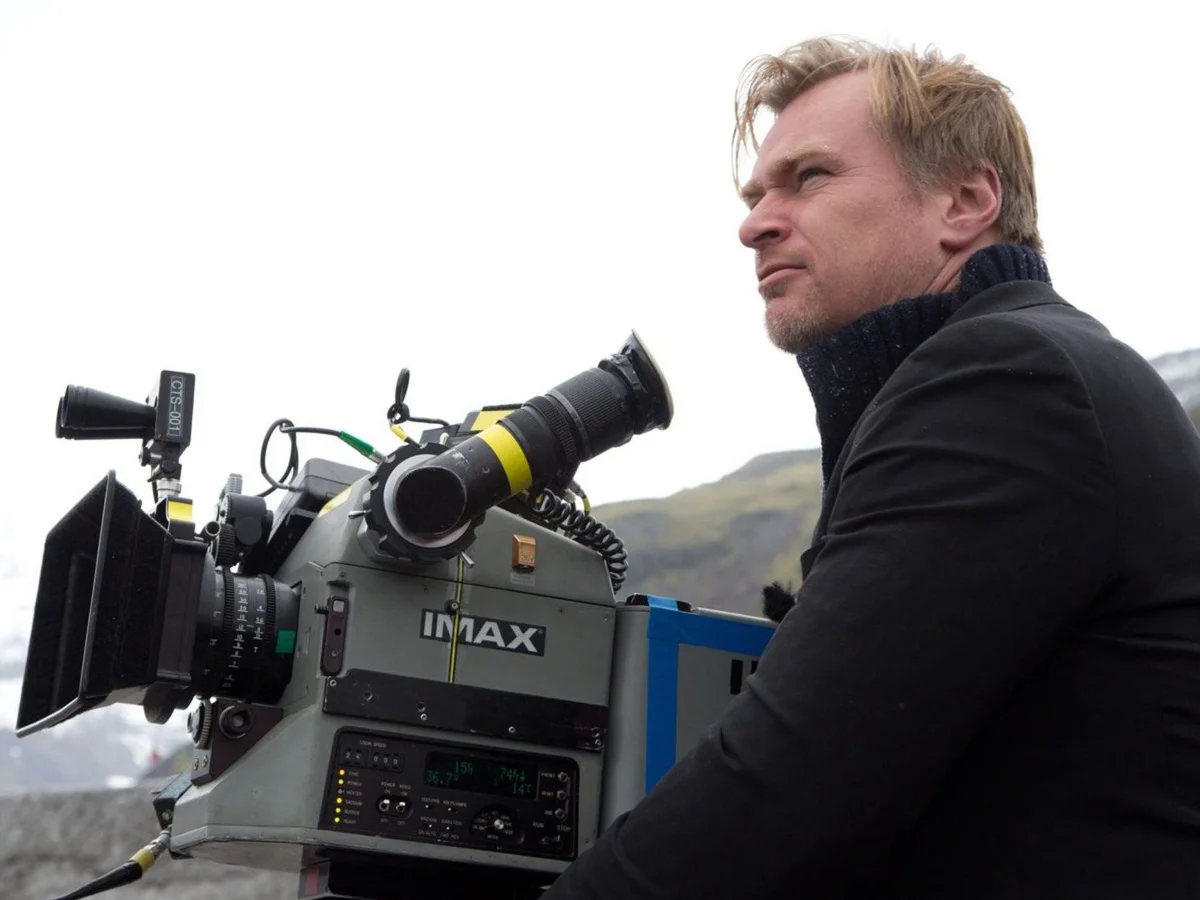
Cancellation of the Robin TV Series at Nolan’s Request
Beyond his directorial and producer roles, Nolan exerted influence behind the scenes that affected other DC projects. According to reports from the Wall Street Journal, Nolan intervened to shut down a planned Robin TV series that was in development around the late 2010s. While the precise motivations behind this decision remain unclear, the fact that other Batman-related shows like Gotham and Titans aired successfully suggests that Nolan’s objection was specific to this Robin project. The Wall Street Journal notes that the Robin series was created by a different production team but does not confirm whether it was intended to connect with Nolan’s Batman universe. This intervention further demonstrates Nolan’s control over the Batman legacy during that period.
In another example of Nolan’s protective stance regarding the Batman franchise, he reportedly became involved during the production of the 2019 Joker film. Learning that director Todd Phillips planned for the character, played by Joaquin Phoenix, to end with a permanent carved smile on his face—resembling Heath Ledger’s portrayal—Nolan opposed this choice. As a result, the film’s final scene depicts the Joker drawing a bloody smile instead, preserving the uniqueness of Ledger’s iconic performance.
Shifts in Nolan’s Relationship with Warner Bros. and DC Films
Christopher Nolan’s professional relationship with Warner Bros. has experienced changes, especially following disagreements over the distribution and marketing of his film Tenet amid the COVID-19 pandemic. Although recent reports suggest that some reconciliation has occurred between Nolan and the studio, he currently collaborates primarily with Universal Pictures. This transition has likely diminished his influence over current DC movie projects, marking the end of his direct creative involvement with Warner Bros. and the Batman franchise.
Despite Nolan’s current detachment from Warner Bros., his previous interventions highlight his significant impact on the direction of DC films and TV adaptations over the past decade. His insistence on maintaining the integrity of his Batman narrative and his protection of the characters’ portrayals have shaped how these stories have evolved on screen.
The Lasting Effects of Nolan’s Decisions on Batman and DC Universe Content
Christopher Nolan’s involvement in Warner Bros. projects exemplifies how a single filmmaker’s vision can influence an entire franchise’s trajectory. By blocking the Robin spin-off and ensuring no continuation of the Dark Knight trilogy without his participation, Nolan effectively closed the door on several potential expansions of the Batman universe during his era. His actions underscore the importance studios place on creative control, especially when dealing with popular and lucrative intellectual properties.
As Warner Bros. moves forward with the DC Universe under new creative leadership, there may be opportunities to explore characters like Robin in fresh ways. However, the legacy of Nolan’s Batman films remains a defining chapter in the franchise’s history, and his impact on the cinematic universe will be felt for years to come.
