
After a seven-year break from television, Lena Dunham has returned with a new Netflix rom-com series, Too Much, that explores the complexities of love and adulthood in the digital age. The show, debuting as a 10-episode story, follows a New Yorker navigating heartbreak, trauma, and body image issues amid the pressures of influencer culture, capturing the messy realities of contemporary romance.
The Story Behind Too Much: Love, Heartbreak, and Unexpected Encounters
Too Much centers on Jessica, played by Megan Stalter, whose seven-year relationship ends abruptly, leaving her emotionally adrift. To cope, she records candid video messages addressed to her ex’s new partner, an influencer portrayed by Emily Ratajkowski. Her pain prompts her to accept a work trip to London, where she meets Felix, a brooding indie musician played by Will Sharpe. What begins as a casual fling quickly deepens into a tumultuous romance, as both characters wrestle with their insecurities and past scars that repeatedly challenge their connection.
Inspired by Dunham’s own relationship with co-creator Luis Felber, the series offers an authentic and sometimes unpolished depiction of love, emphasizing its chaotic and fragile nature. Jessica and Felix’s relationship fluctuates dramatically, illustrating how unresolved trauma and self-doubt interfere with intimacy. While the humor occasionally falters, Too Much shines brightest when portraying the difficult and awkward transition into adulthood, making it a personal and relatable romantic drama.
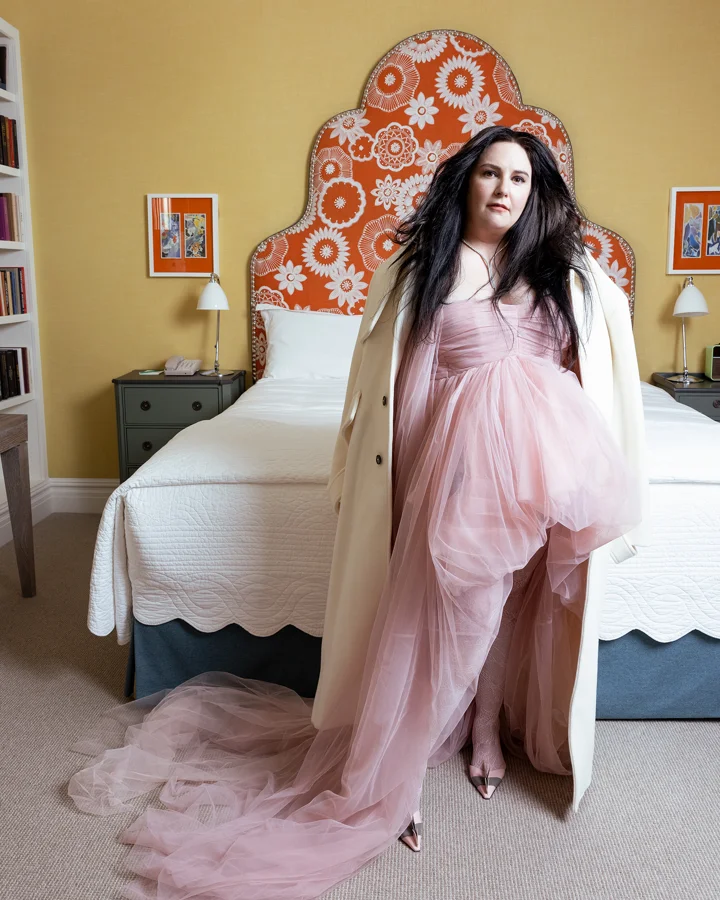
Megan Stalter and Will Sharpe: Bringing Chemistry and Depth to the Lead Roles
From the opening episode, the romantic leads generate undeniable chemistry that keeps viewers invested. The series opens with Jessica watching Ang Lee’s Sense and Sensibility alongside family members, yearning for a love akin to Jane Austen’s romantic ideals. However, her actual romantic encounter unfolds far from this fantasy—in a London pub bathroom, where Felix’s request for toilet paper sparks their meeting.
Stalter and Sharpe’s performances ground the series, giving the characters a believable emotional depth. Their evolving relationship is built with care, highlighted in a memorable third episode where they share intimate moments through midnight movie marathons and candid conversations. These scenes reveal Jessica’s struggle to let go of her lingering feelings for her ex and expose Felix’s chameleon-like adjustments to fit into varied social environments.
The show also skillfully portrays Jessica’s culture shock as an American in London. Her outspoken, bold personality clashes at times with the reserved British social milieu, adding realism to their interactions. Felix’s willingness to adapt contrasts with Jessica’s authenticity, creating tensions and moments of connection that underscore their differences.
When the show ended, I didn’t know what direction to move in.
—Megan Stalter
Balancing Humor with Emotional Honesty Produces Mixed Results
While the romantic storyline between Jessica and Felix stands out, Too Much struggles when it shifts focus to side characters or attempts humor that falls flat. Jessica’s workplace and drug-related misadventures often feel awkward rather than funny, detracting from the emotional core of the series. Similarly, the supporting cast lacks development, except for Jessica’s close family, making their interludes less compelling.
The show includes notable celebrity cameos—such as Kit Harington, Jessica Alba, Andrew Scott, and Rita Ora—yet these appearances feel underutilized and sometimes distract from the main narrative. Some episodes offer brief glimpses into Felix’s family background and Jessica’s ex-boyfriend Zev, played by Michael Zegen, without fully exploring these potentially rich storylines. Episode 8’s therapy session with Zev hints at a different perspective but ultimately remains superficial.
Despite the uneven comedic tone, Too Much’s reflection on modern love and the digital age remains poignant. Jessica’s fixation on her ex’s new partner through social media mirrors contemporary relationship anxieties. The series challenges traditional romantic ideals, portraying relationships as inherently messy and shaped by unresolved past experiences. Fans of Dunham’s previous work, particularly Girls, will recognize the honest and flawed character portrayals that define her storytelling.
The Significance of Too Much in Today’s Romantic Comedy Landscape
Too Much reintroduces Lena Dunham to television audiences with a raw and timely take on romance that blends humor with emotional vulnerability. While its script sometimes falters, and its supporting roles lack depth, the core love story between Jessica and Felix provides an engaging exploration of trauma, identity, and connection in today’s fragmented social world.
The series also prompts a broader reflection on how social media influences romantic expectations and personal insecurities. Its unflinching look at imperfect characters struggling with growth and acceptance offers a fresh perspective that distinguishes it from more polished, idealized rom-coms.
As Dunham continues to evolve her storytelling, Too Much may serve as a stepping stone toward more nuanced narratives that embrace the contradictions of modern adulthood. For viewers seeking a rom-com that combines charm with uncomfortable truths, this Netflix series delivers a uniquely relatable experience.
Our Reader’s Queries
Q. Did Lena Dunham have OCD?
A. Conditions like OCD can be effectively managed, but they might come back. Recognizing the return of these past behaviors is key to overcoming them once more. This storyline holds special significance because Lena Dunham has personally dealt with OCD.
Q. What Taylor Swift song is about Lena Dunham?
A. The song’s music and lyrics were inspired by the relationship of Antonoff and Lena Dunham, who were both good friends of Swift. Dunham called the song her “someday wedding song.” Swift mentioned in an interview that writing “You Are in Love” was sometimes hard and dull.
