
The debate surrounding Quentin Tarantino’s Oscar snub for Pulp Fiction at the 1995 Academy Awards has resurfaced after nearly three decades, fueled by Yellowstone creator Taylor Sheridan’s harsh criticism of Forrest Gump. While Forrest Gump secured Best Picture and Best Director for Robert Zemeckis, many still contend that Tarantino’s groundbreaking film deserved greater recognition for its innovative impact on cinema.
Sheridan’s comments have added new intensity to this ongoing conversation, highlighting the persistent divide between fans of the emotional appeal of Forrest Gump and proponents of Tarantino’s genre-breaking style in Pulp Fiction. With the Oscar decision still considered one of the Academy’s most disputed, the question remains: was the right film honored that night?
Understanding Why Forrest Gump Deserved Recognition but Raised Questions on Direction
Forrest Gump is widely regarded as a cinematic classic, celebrated for Tom Hanks’ iconic performance and its heartfelt portrayal of an American life marked by innocence and nostalgia over decades. The film’s resonance with audiences of all ages and backgrounds helped it earn the Best Picture award at the 67th Academy Awards in 1995. Memorable quotes such as
“life is like a box of chocolates”
and “Run, Forrest, run!” remain deeply embedded in popular culture, underscoring its broad appeal.
Despite its success, controversy arises when considering Robert Zemeckis’s Best Director win over Quentin Tarantino. While Zemeckis delivered a polished and emotionally compelling film, Tarantino’s Pulp Fiction revolutionized filmmaking with its sharp dialogue, nonlinear storytelling, and bold creative risks. This contrast highlights the split opinions on which movie best pushed the boundaries of cinema that year.
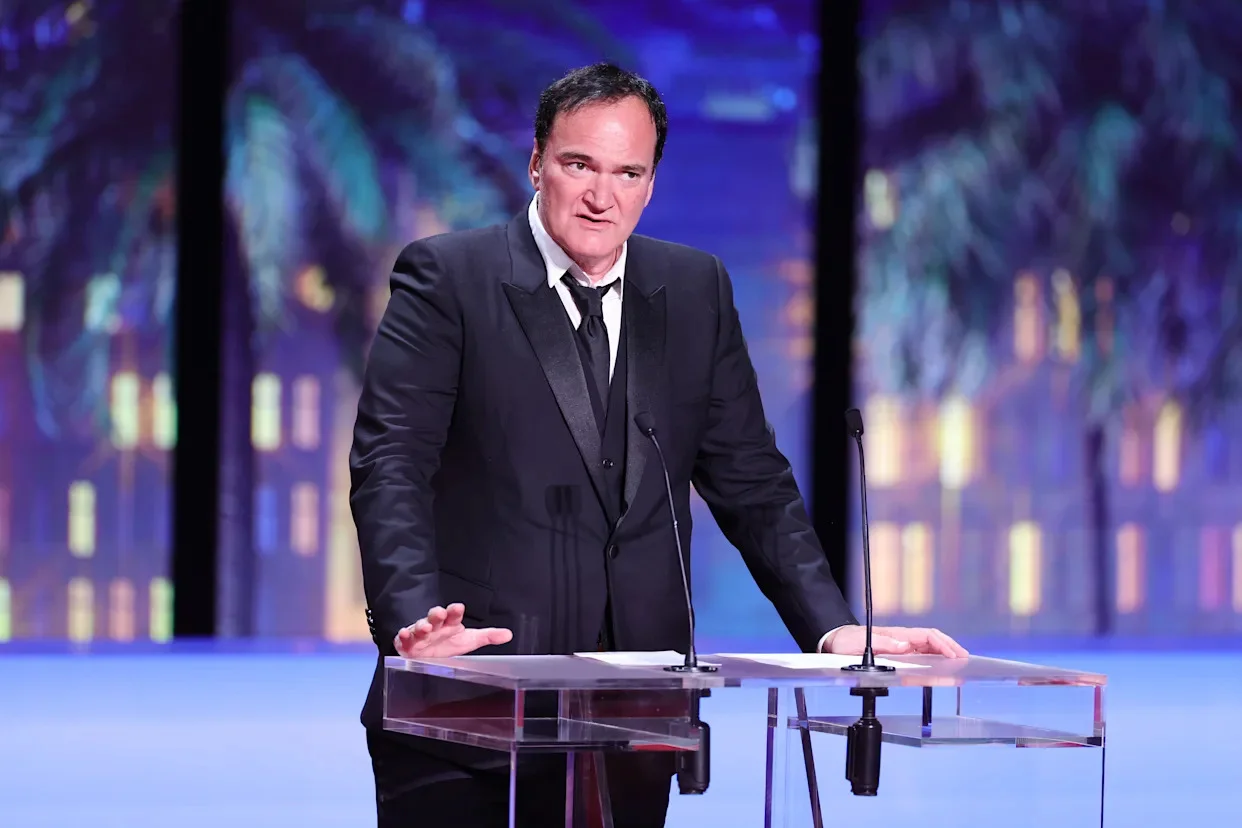
Taylor Sheridan’s Critique of Forrest Gump and Its Impact on Tarantino’s Legacy
Quentin Tarantino’s Pulp Fiction is recognized for its daring approach, blending humor and violence within a complex narrative structure that defied genre norms. Tarantino’s direction revitalized John Travolta’s career and challenged storytelling conventions, making the film a defining moment in modern cinema.
Speaking on The Joe Rogan Experience, Taylor Sheridan expressed strong disapproval of Forrest Gump, stating that the
“holy grail as a storyteller is entertain, educate, and enlighten.”
Sheridan emphasized that films should provoke thought rather than simply deliver a message, adding that he “hated Forrest Gump” because he
“couldn’t stand to pay money to have someone preach me their ideas.”
This blunt critique highlights Sheridan’s belief that Forrest Gump was overly preachy and reductive, which stands in sharp contrast to Tarantino’s more challenging and interpretive style. Sheridan’s remarks illuminate why many creatives in Hollywood feel Tarantino’s snub was unjust and why his work continues to be celebrated for boldly transforming cinematic language.
Lasting Effects of the 1995 Oscar Drama on Film Culture
The ongoing debate around the 1995 Oscars reflects how deeply Tarantino’s Pulp Fiction has influenced filmmakers and audiences since its release. The controversy is a reminder that awards do not always capture a film’s lasting impact or creative value. While Forrest Gump remains beloved for its emotional storytelling and widespread acclaim, many argue that Tarantino’s visionary work deserved more recognition for pushing narrative and stylistic boundaries.
As discussions continue, fans can revisit both films: Pulp Fiction is available on Netflix, while Forrest Gump streams on Paramount+ in the USA. The debate over which film was more deserving at the Oscars endures as an emblematic clash between traditional storytelling and cinematic innovation.
Our Reader’s Queries
Q. Is Quentin Tarantino neurodivergent?
A. Famous filmmakers like Steve McQueen, David Lean, and Charlie Chaplin are known to be neurodivergent. Other recognized directors with neurodivergence include Stan Brakhage, Stanley Kubrick, and Steven Spielberg. Quentin Tarantino, Martin Scorsese, and Alejandro G. Iñárritu are also part of this talented group of creative individuals.
