
Zack Snyder‘s DC Universe has come to an official close with the upcoming worldwide release of the new Superman film on July 11, starring David Corenswet in the leading role. This marks a definitive shift, ending the era that began with Henry Cavill, who set the tone for Snyder’s vision in the DC Extended Universe (DCEU).
Cavill was integral in launching the franchise with 2013’s Man of Steel, a film that ignited mixed reactions but gradually earned appreciation over time. Despite a few standout successes for the DCEU, the overall franchise couldn’t fully shake off the shadow of critical and audience skepticism. After more than a decade, fans are now placing their hopes on James Gunn and Peter Safran to steer the DC Universe in a new direction, as the studio embarks on a complete reboot.
Factors Behind the Conclusion of Zack Snyder’s DC Universe
Snyder’s approach to Superman was characterized by its darker and grittier tone, notably departing from the traditionally optimistic portrayal of the hero. This bold creative choice, such as the controversial decision for Superman to kill General Zod in Man of Steel, fueled polarization among audiences and critics alike.
Snyder directed several key DCEU films including Man of Steel (2013), Batman v Superman: Dawn of Justice (2016), and parts of Justice League (2017), while also having production involvement in Wonder Woman 1984 (2020) and the later Snyder Cut of Justice League (2021). Although Man of Steel performed modestly well at the box office, earning praise from loyal fans, Batman v Superman failed critically despite its commercial success with $874 million worldwide gross. This poor reception led Warner Bros. to shift the franchise toward a lighter, more comedic tone, undermining Snyder’s original vision.
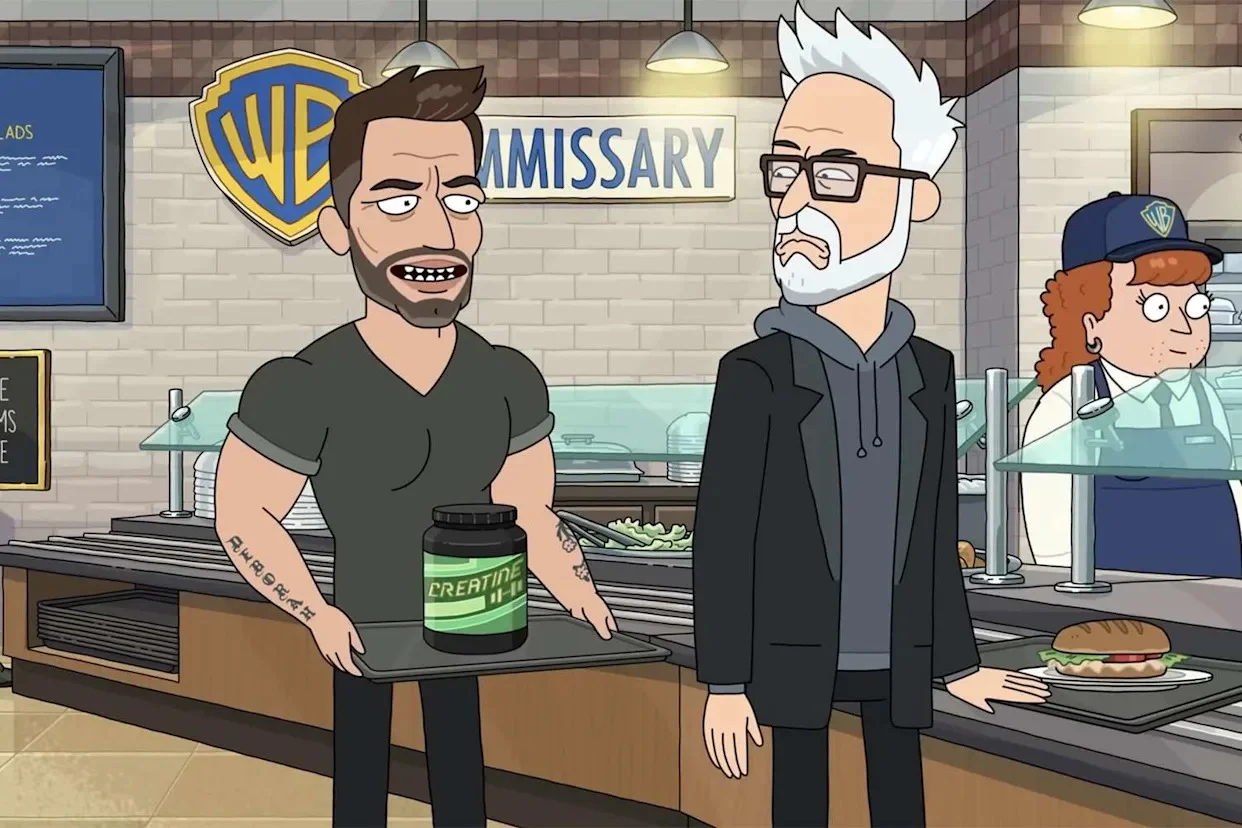
During the making of Justice League, Snyder faced a profound family tragedy and ultimately stepped away from the project, relinquishing control to the studio and director Joss Whedon. Whedon made substantial changes to the film in post-production, further diverging from Snyder’s concept and frustrating many fans and creators.
When reflecting on his departure, Snyder candidly admitted in an interview featured in Sean O’Connell’s book Release the Snyder Cut:
“I just was kind of done with it. I was in this place of [knowing] my family needs me more than this bull****, and I just need to honor them and do the best I can to heal that world. I had no energy to fight [the studio], and fight for [the movie]. Literally, zero energy for that. I really think that’s the main thing. I think there’s a different world where I stayed and kind of tried. And I’m sure I could have…because every movie is a fight, right? I was used to that. But I just did not have the [energy]. There was no fight in me. I had been beaten by what was going on in my life and I just didn’t want to, I didn’t care to…that was kind of where I was.”
—Zack Snyder, filmmaker
Following Snyder’s exit, the DCEU lacked steady leadership, moving between the oversight of multiple executives including Geoff Johns, Jon Berg, and Walter Hamada. The franchise adopted an overall lighter tone but failed to find consistent success, with only Aquaman surpassing $1 billion in box office revenue. Other films under Warner Bros. struggled to perform commercially or critically, highlighting the franchise’s creative and financial instability.
How the New DC Universe Reboot Is Taking Shape Under James Gunn and Peter Safran
After several disappointing releases, culminating with the underperformance of Black Adam, Warner Bros. announced a reboot of the DC cinematic universe in late 2022. James Gunn and Peter Safran were appointed as co-CEOs of the newly formed DC Studios, tasked with crafting a fresh and unified vision for the franchise.
This reboot is significant not only for introducing new actors such as David Corenswet as Superman and Rachel Brosnahan as Lois Lane but also for signaling a clear departure from Zack Snyder’s tone and style. The newly unveiled direction embraces a lighter, more comic book-faithful approach aligned with Gunn’s previous work in the Marvel Cinematic Universe (MCU) and The Suicide Squad, aiming to reconnect with a broader audience.
While many elements of the DCEU’s continuity are being discarded, the reboot is not a total reset. Some aspects, especially from Gunn’s The Suicide Squad and its characters, will carry over into the new DC Universe (DCU) canon, offering continuity for fans invested in those stories. However, remaining DCEU movies have seen weakened box office showings as audiences lose interest in outdated continuity, as demonstrated by the poor reception to Shazam! Fury of the Gods and Blue Beetle.
With Superman’s debut in this new era, it is evident that the studio is forging a different path from Zack Snyder’s once dominant cinematic vision. Early reactions to Superman suggest a more optimistic and accessible narrative style, underscoring the broader creative reset underway for the DC Universe.
New Faces Leading the DC Universe’s Next Chapter
The cast for the rebooted DCU reflects a fresh start, with David Corenswet stepping into the role of Clark Kent / Superman / Kal-El, bringing a new interpretation to the iconic character. Rachel Brosnahan joins as Lois Lane, strengthening the core cast around Superman’s story.
This new casting underpins the larger shift that James Gunn and Peter Safran are steering, aiming to revitalize the brand and restore fan enthusiasm through a carefully refreshed cinematic approach.
Implications of the DC Universe Reboot for Fans and the Franchise
The conclusion of Zack Snyder’s DC Universe marks a pivotal moment for the studio and its fandom, as it closes the chapter on a divisive but influential creative era. Snyder’s contributions redefined the superhero genre for many and cultivated a loyal, passionate fanbase, despite controversies and mixed critical responses. His departure and the resulting reboot reflect broader industry challenges in balancing artistic vision with commercial appeal and audience expectations.
Looking ahead, the future of the DC Universe depends heavily on James Gunn and Peter Safran’s ability to build cohesion and consistent storytelling that resonates both with longtime fans and new viewers. The fresh start centered around Superman’s new portrayal signals an intentional shift toward accessibility and optimism, which could reshape the franchise’s trajectory in the years to come.
As the new DC Universe unfolds, its success or failure will reveal how the studio manages the legacy of the past while striving to innovate and remain competitive in a crowded superhero film market.
