
Actor Bryan Cranston has stopped filming on the independent film Lone Wolf until all unpaid cast and crew members receive the payments owed to them. This move brings attention to the ongoing financial difficulties faced by the production, which has been struggling to compensate workers despite ongoing filming efforts. Cranston, a seasoned actor known for his work on Breaking Bad and Malcolm in the Middle, is emphasizing the necessity for fair treatment of all individuals involved in the film, particularly those behind the scenes who have not yet been paid.
The production challenges have delayed progress on Lone Wolf, a thriller starring Cranston and Lily Gladstone, as unresolved payments have led to repeated work stoppages. Cranston has publicly stated he will neither complete his role nor promote the film until all wages owed to cast, crew, and vendors are settled in full. His intervention highlights the importance of equitable pay in the film industry and the often-overlooked hardships faced by those working off-camera.
Financial Obstacles Leading to Work Interruptions
Lone Wolf has encountered a roughly $2 million funding shortfall, which has created a ripple effect on the production timeline and staff compensation. Scheduled filming was paused several months ago when promised deposits to escrow accounts for cast and crew were not delivered on time, prompting official “do not work” orders. After partial funds were finally transferred, work resumed temporarily, but the unresolved payments have caused further halts.
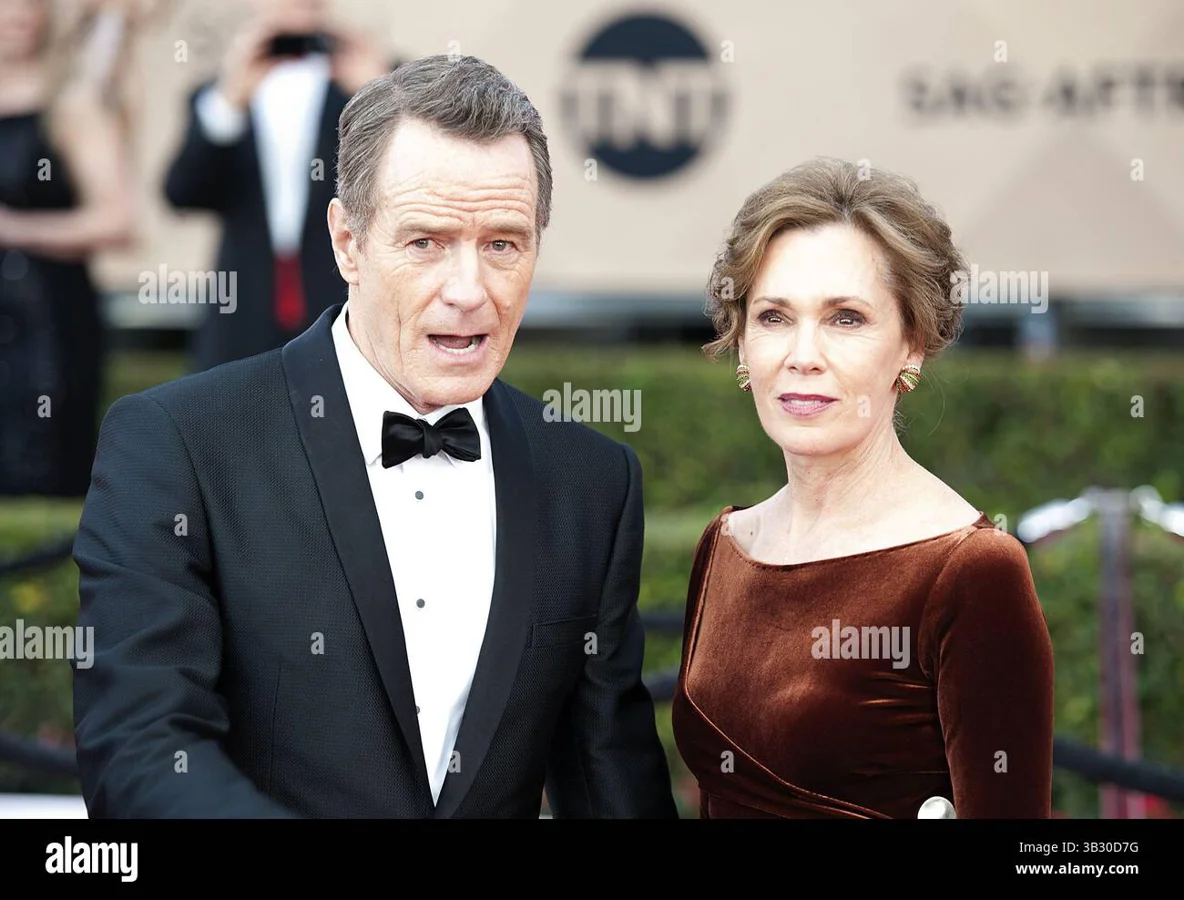
According to Cranston, the majority of the crew and some co-stars have missed at least the last two weeks of wages. Although Cranston himself was paid ahead of the last work stoppage, learning about the unpaid status of many crew members and cast has motivated him to demand full restitution before continuing his participation.
“For some reason money that was promised to be deposited into the escrow accounts for the cast and crew were not done so in a timely manner. That caused a couple stoppages to the shooting. Then, apparently some portion of what was promised was deposited, and that lifted the DO NOT WORK order and we started up again.
Right now, there is a strong effort to raise the necessary capital to finish the film, and I think that will happen for two main reasons: One, because the missing few scenes (approximately over two shooting days) are vital to the story. And two, that I (and I think I speak for Lily as well) will not do anything to promote the film until every cast and crew member is paid back in full, and we will not appear on screen again (ie return to filming) for this movie until that happens.
In full transparency, I was paid for my part in this film even before the last temporary work stoppage – so I was surprised when I found out that we had to stop again, and that most of the crew didn’t get, as far as I know, their last two weeks of pay, nor did the co-stars in the movie.”
—Bryan Cranston, Actor
Overview of ‘Lone Wolf’ and its Key Players
The film’s plot centers on a veteran struggling with addiction, portrayed by Lily Gladstone, who is recruited by a contractor played by Bryan Cranston to assassinate a high-profile politician. The story’s suspense and intense themes hinge on a few critical scenes that remain unfinished due to halted filming.
Cranston has praised the cast and crew for their dedication despite the financial difficulties affecting the project.
“That is where it stands now…I’m distressed that this has caused so much grief and distrust, and so sorry that this crew (which was fantastic) were not treated with the respect they deserved, but I really believe that the producers will manage these difficult times by making everyone whole, and we’ll finish the film….Man, what a mess. BC.”
—Bryan Cranston, Actor
Alongside Cranston and Gladstone, the cast includes O’Shea Jackson Jr., Jennifer Ehle, Chet Hanks, and Spencer Garrett. The extensive involvement of these well-known actors underscores the broader implications of the production’s financial instability.
Current Efforts and What Lies Ahead for the Film
Producers and stakeholders are actively working to secure the capital needed to complete Lone Wolf. As Cranston pointed out, the remaining scenes amount to roughly two days of shooting, critical to the film’s narrative closure. The resolution of these financial hurdles will likely determine the film’s future completion and release.
The situation reveals the challenges faced by independent films when budgeting and cash flow become strained, impacting not only the project’s timeline but the welfare of cast and crew members whose livelihoods depend on timely payment. Bryan Cranston’s refusal to continue work or promote the movie until all payments are made brings essential scrutiny to pay equity within film productions.
The next steps will depend largely on the producers‘ ability to raise sufficient funds and restore trust among the film’s workforce. Until that happens, filming remains on hold as Cranston and others insist on fair compensation as a prerequisite to completing the project.
Our Reader’s Queries
Q. Why did Bryan Cranston kiss?
A. The playful kiss came from a previous comedy skit. In it, ‘Seinfeld’ star Julia humorously pretended to forget Bryan. Bryan, who was her character’s boyfriend Tim Whatley on the show, looked familiar to her but she seemed to forget they had kissed during an episode.
Q. How good was Bryan Cranston in Breaking Bad?
A. He received the Primetime Emmy Award four times for Outstanding Lead Actor in a Drama Series. He played Walter White in the AMC crime show Breaking Bad. This series aired from 2008 to 2013, and he won these awards in 2008, 2009, 2010, and 2014.
In 2011, he became a producer on Breaking Bad. As a result, he also earned two awards for Outstanding Drama Series.
Q. Does Bryan Cranston have a disability?
A. Cranston, who is not disabled, faced strong criticism for taking on a disabled character’s role. He defended this choice by describing it as a “business decision.” In an interview with the Press Association, Cranston explained, “Actors are asked to become someone else and portray different people.”
