
Warner Bros. aimed to broaden the reach of Christopher Nolan‘s Dark Knight trilogy into a larger multimedia franchise, but Nolan intervened to maintain full creative authority, halting such efforts. The Dark Knight trilogy not only transformed the public’s view of Batman but also reshaped the entire superhero genre, solidifying Nolan’s reputation as a leading filmmaker behind hits like Inception, Dunkirk, and Oppenheimer.
According to The Wall Street Journal, Warner Bros. had plans to develop a television spin-off centered on Robin, based on Nolan’s interpretation of the Batman universe. However, Nolan was determined to preserve control over the character’s portrayal and convinced the studio to abandon the project. Nolan’s influence was evident in The Dark Knight Rises through the introduction of Detective John Robin Blake, played by Joseph Gordon-Levitt, marking his unique take on the Robin character.
Timeline and Context for the Proposed Robin Television Series
The precise timing of Warner Bros.’ Robin spin-off remains unclear, but it likely fell between the releases of The Dark Knight (2008) and The Dark Knight Rises (2012). During that interval, the studio faced multiple disappointing attempts at DC Comics adaptations, such as The Losers, Jonah Hex, and Green Lantern, which failed commercially and critically. The shelved Robin series might have indirectly paved the way for The CW’s Arrow, launched in 2012, which took inspiration from Batman Begins and provided fans with a Batman-like hero on television.
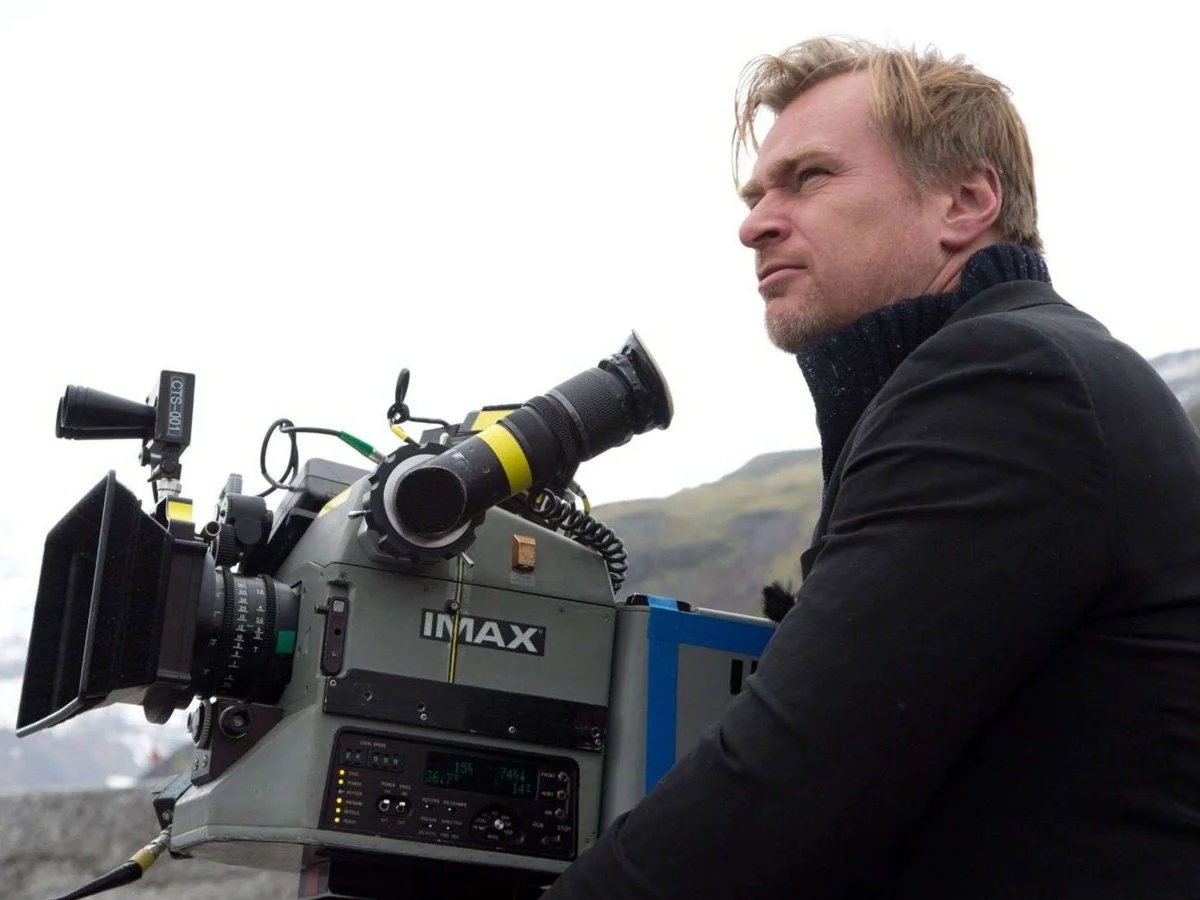
It is also possible that Warner Bros. considered the Robin spin-off after The Dark Knight Rises premiered in 2012, a period when they were focused on rebooting Superman with Man of Steel and planning the formation of a connected DC Extended Universe (DCEU). There were even rumors about merging Nolan’s Batman world with upcoming films like Batman v Superman: Dawn of Justice, potentially bringing back Christian Bale as Batman. Bale was never approached, and the idea was ultimately discarded, as Nolan’s grounded vision was deemed incompatible with the more fantastical elements introduced by Superman. To avoid upsetting Nolan, who remained influential at Warner Bros., the studio chose not to pursue any spin-offs related to the Dark Knight trilogy, preserving the trilogy’s standalone status.
Impact of Nolan’s Departure on the Batman Mythos and the DC Universe
After Nolan parted ways with Warner Bros., frustrated by the studio’s marketing approach, the DCEU was already struggling, prompting the studio to seek new leadership. This led to hiring James Gunn and Peter Safran to revive the DC Universe, culminating in recent releases such as the new Superman film. Within this fresh direction, Robin is slated to return, with Damian Wayne starring in the Batman-focused Brave and the Bold, and Dick Grayson along with Jason Todd leading the animated Dynamic Duo film scheduled for 2028.
Meanwhile, Akiva Goldsman has expressed hopes that Warner Bros. will eventually release the director’s cut of Batman Forever.
The Significance of Nolan’s Control Over the Batman Universe
Christopher Nolan’s decision to block spin-offs like the Robin series underscores his commitment to a tightly controlled, coherent Batman narrative, resisting franchise expansion that could dilute his vision. While the studio sought to capitalize on the success of the trilogy by developing supplementary projects, Nolan’s insistence ensured the Dark Knight trilogy remained self-contained and artistically consistent. His influence shaped a more serious, realistic portrayal of Batman that has had a lasting impact on superhero cinema. Going forward, the DC Universe’s latest slate aims to integrate various Batman-related characters, but Nolan’s trilogy stands as a distinct benchmark in film history, highlighting the tension between creative control and franchise growth.
“Akiva Goldsman still hopes to see the director’s cut of ‘Batman Forever’ released by Warner Bros.” —Akiva Goldsman
