
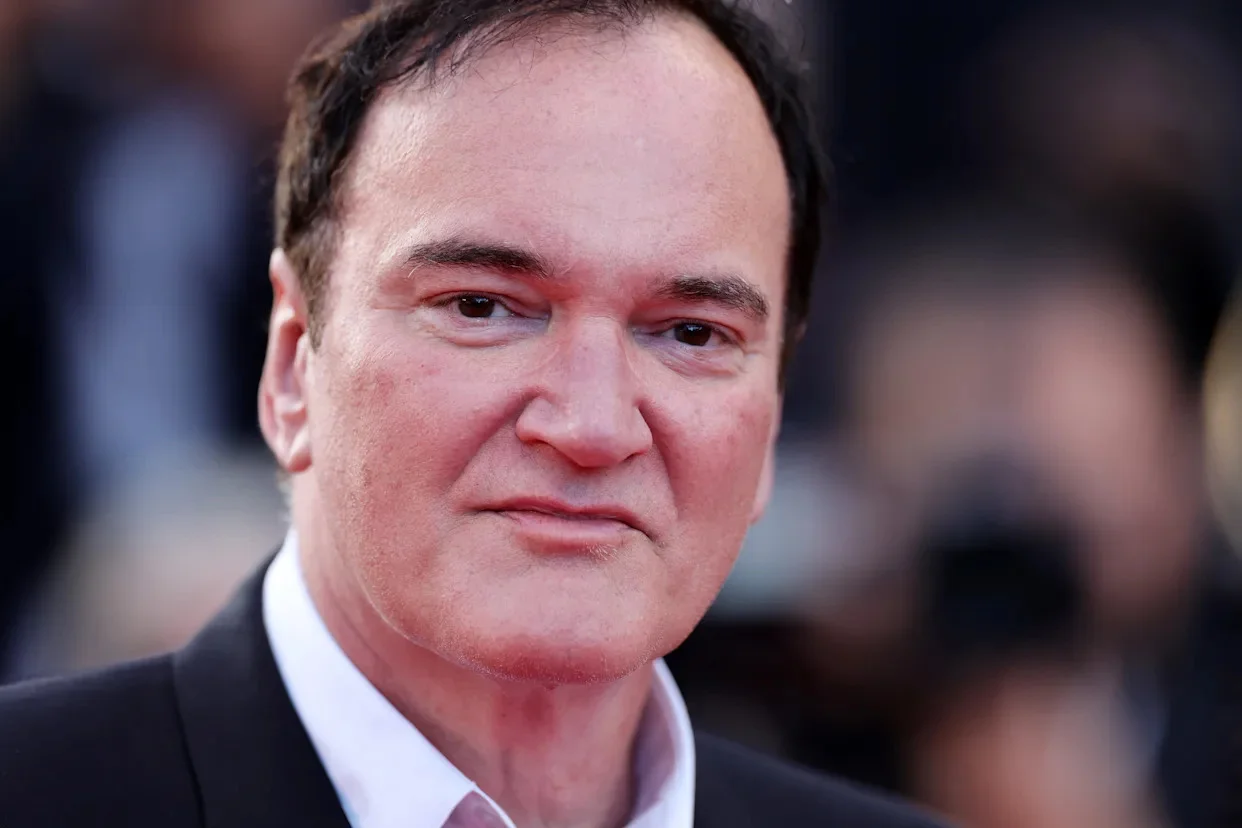
In his book Cinema Speculation, Quentin Tarantino called the 1977 film Rolling Thunder
“the greatest savage, fascist, Revengeamatic flick ever made,”
praising it as one of the most intense revenge movies ever created. Tarantino holds deep admiration for the film, including it in his top 10 list on Sight & Sound alongside cinematic heavyweights like Apocalypse Now and Taxi Driver. Tarantino experienced a life-changing impression from discovering the film by chance during a double feature with Enter the Dragon, and it has since influenced many elements of his own filmmaking style.
Rolling Thunder tells the story of Major Charles Rane, played by William Devane, who returns to San Antonio, Texas, after seven years as a prisoner of war in Vietnam. Though celebrated as a hero, Rane struggles with his reintegration into civilian life, facing a broken family and a community unable to fully embrace him. His wife Janet (Lisa Blake Edwards) is engaged to another man, and his son Mark (Jordan Gerler) has accepted this new reality. The town offers gifts, including a Cadillac and 2,555 silver dollars—one for each day Rane was imprisoned. However, violence shatters this fragile peace when a gang attacks Rane’s home, stealing the silver dollars, mutilating his hand, and killing his wife and son. Awakening with a metal hook in place of his hand, Rane teams up with fellow veteran Johnny Vohden (Tommy Lee Jones) to seek brutal vengeance.
The Social Upheaval Behind the Story’s Dark Core
Despite popular nostalgia for the 1970s as a time of peace and tolerance, the decade was marked by intense conflict and division, especially over the Vietnam War. The civil rights and anti-war movements met fierce backlash from conservative segments of society resistant to cultural change. This political tension found reflection in popular media, including films like Joe and TV shows such as All in the Family, which aired biting satire on the anger between counterculture supporters and Nixon-era conservatives.
Rolling Thunder taps into this national anger, especially the fraught reception of returning soldiers. Veterans were often misunderstood or resentful figures, emblematic of a war many Americans saw as unjust or unwinnable. The film’s narrative captures the lasting trauma inflicted on these men, portraying Rane not just as a victim of violent crime but as a wounded man broken by war and society’s failure to support him.
Paul Schrader and Heywood Gould originally wrote the screenplay, both of whom had examined the rage of Vietnam veterans in films such as Taxi Driver. Major Rane is shown as a man on the edge long before the tragedy at his home, his simmering anger waiting only for a trigger. Heywood Gould took a role in rewriting, and director John Flynn crafted a story that grounds Rane’s violent revenge deeply in personal loss, evoking sympathy even from audiences uncomfortable with bloodshed. By the time Rane and Vohden exact their brutal justice in the bloody walls of a brothel, viewers are forced to connect with their righteous fury and consider their own conflicted feelings toward vengeance.
Enduring Impact of Rolling Thunder on Quentin Tarantino’s Movies
Quentin Tarantino’s debut film Reservoir Dogs provoked debate over his portrayal of violence, as critics accused him of glorifying cruelty. Yet, much like Rolling Thunder, Tarantino’s use of violence serves a purpose beyond shock—it delivers retribution to characters who represent those failed by society. His films explore themes of justice through often brutal means, turning violence into a cathartic act.
Examples include Kill Bill, where The Bride, played by Uma Thurman, pursues vengeance against those who betrayed her, and Django Unchained, in which Jamie Foxx’s character fights to save his wife from slavery using violent means. Inglourious Basterds and Once Upon a Time in Hollywood rewrite history to give agency and power back to victims of atrocities and cultural trauma. Just as Major Rane in Rolling Thunder only wanted peace until his life was destroyed, Tarantino’s heroes are forced to take violent action when no other justice is possible.
Thus, Rolling Thunder can be seen as a foundational influence for Tarantino’s fascination with revenge tales steeped in rage and moral ambiguity. The film’s raw exploration of trauma and retribution laid much of the groundwork for the director’s celebrated yet controversial approach to storytelling.
Our Reader’s Queries
Q. Is Quentin Tarantino neurodivergent?
A. Famous filmmakers including Steve McQueen, David Lean, and Charlie Chaplin are known as neurodivergent. Others like Stan Brakhage and Stanley Kubrick also fall into this group.
Steven Spielberg, Quentin Tarantino, Martin Scorsese, and Alejandro G. Iñárritu are also recognized as neurodivergent filmmakers. These artists are highly respected in the film industry.
Q. Does Quentin Tarantino have a high IQ?
A. Tarantino is said to have an IQ of 160. Despite this, he chose to quit high school early to chase his dream of making movies.
