
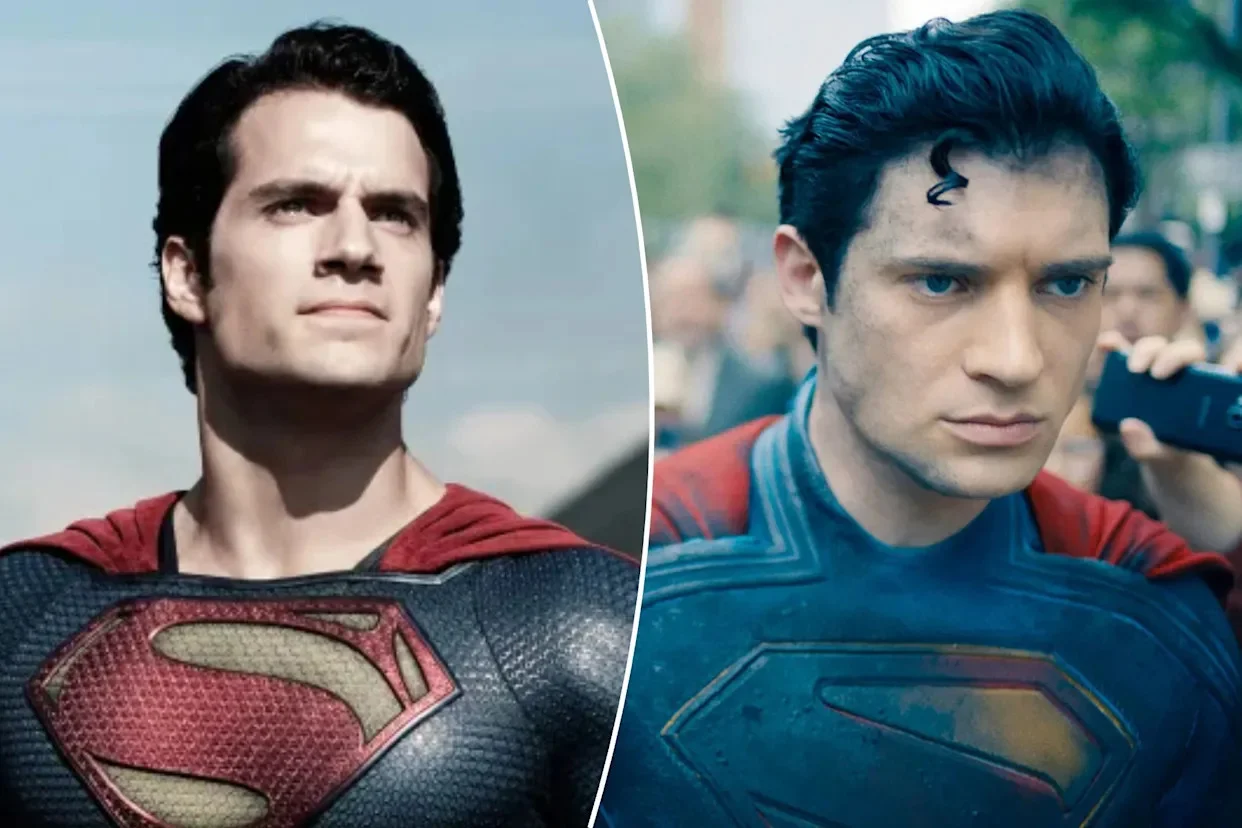
The debate over who stands as the definitive Superman reignites amid the release of a new blockbuster featuring the iconic character. This latest $200 million film has sparked divided opinions on Henry Cavill definitive Superman debate, as audiences wrestle with whether any actor can truly claim the title of the ultimate Man of Steel.
Superman’s Latest Return and the Polarized Reactions
Superman has returned to cinemas, yet not everyone greets the new portrayal with enthusiasm. While the movie is expected to perform strongly at the box office, some reviews label it as confusing and lacking humor, with descriptions ranging from “convoluted” to “fanciful nonsense.” Such critiques have intensified discussions about who best embodies the hero’s spirit, sparking heated debates across various media platforms.
Historical Perspectives on Superman Portrayals
The quest to name the definitive Superman is far from straightforward. Christopher Reeve is often hailed as the quintessential Clark Kent, thanks to his sincere portrayal that blended kindness with heroic strength. However, this consensus is far from universal. Different generations favor other interpretations: those who grew up in the 1950s might champion the patriotic George Reeves, while younger audiences from the last decade increasingly identify with Henry Cavill’s more complex and morally conflicted Superman.
Comparisons with Other Iconic Roles in Pop Culture
The struggle to select a definitive actor for a recurring role is mirrored in other beloved characters. Joan Hickson’s portrayal of Miss Marple still stands as the definitive Agatha Christie’s sleuth for many, yet she was one among several actresses to tackle the role. Similarly, characters like Sherlock Holmes and James Bond have witnessed multiple interpretations, none of which have achieved unanimous acceptance. Whether debating Rathbone, Brett, or Cumberbatch for Sherlock, or Connery versus Craig for James Bond, fans remain divided, often choosing favorites based on personal experiences rather than objective criteria.
The Subjective Nature of Definitive Performances
The crux of the matter is that definitive versions of characters likely do not exist. Each individual’s preference reflects unique life experiences, cultural backgrounds, and tastes. Attempting to declare a single portrayal as definitive risks creating rigid, exclusive fan groups vulnerable to manipulation and exclusion. Recognizing our personal biases and the limitations of any one portrayal encourages appreciating multiple versions and the diverse ways audiences connect with them.
Cultural Nostalgia and Its Complex Impact
The intense attachment to past versions of beloved characters can ossify cultural perception, discouraging fresh interpretations and new audiences from finding their own heroes. History reveals how nostalgia has been politicized, as seen in Mussolini’s manipulation of collective memory, illustrating the dangers of clinging too tightly to past icons. Allowing new generations to experience defining moments in storytelling, like a young viewer’s first encounter with Superman, keeps the cultural legacy alive and evolving.
Embracing the Joy of Ongoing Debates
Ultimately, these fan debates, while lacking definitive resolutions, provide rich cultural discussion and fellowship. They connect people across generations, as shared memories and preferences form the basis of meaningful conversation. Musician Sting once described the enduring nature of his marriage to Trudie Styler as rooted in “shared nostalgias,” a truth that resonates with how fans bond over varied takes on characters like Superman or James Bond.
Amid these debates, personal favorites often stand firm — as the author declares, no one can replace Roger Moore in his iconic safari suit. Such passionate attachments underscore that while no definitive Superman can be crowned, the conversations themselves reflect the ongoing vitality of these cultural icons.
Our Reader’s Queries
Q. What religion is Henry Cavill?
A. Henry Cavill was born on May 5, 1983, in a family with five sons. He was the fourth son in a Catholic household located in Saint Helier, Jersey, which is in the Channel Islands. His mother, Marianne Dalgliesh, is originally from Jersey, and she has Scottish, English, and Irish roots. She worked as a secretary at a bank.
Q. Is Henry Cavill heterochromia?
A. Actor Henry Cavill has sectoral heterochromia in his left eye, meaning it’s mainly blue but has a few brown streaks running through it.
Q. What is the religion of Henry Cavill?
A. Early life. Cavill was born on May 5, 1983, as the fourth of five brothers in a Catholic family. They lived in Saint Helier, located in Jersey in the Channel Islands. His mother, Marianne (Dalgliesh), was born in Jersey and comes from Scottish, English, and Irish roots. She worked as a secretary at a bank.
Q. Does Henry Cavill have heterochromia?
A. Actor Henry Cavill’s left eye has a condition called sectoral heterochromia.
