
James Gunn’s latest Superman film revisits a polarizing moment from the 2013 Man of Steel, stirring debate by showing Superman resorting to deadly force against Ultraman. This decision, unfolding during the movie’s climax, has reignited longtime discussions about Superman’s traditional no-kill principle and its place in modern adaptations.
Although the tone of Gunn’s Superman contrasts significantly with Zack Snyder’s darker interpretation, the conclusion brings back the familiar conflict of a hero forced to make a morally complex choice to defeat a formidable antagonist.
Comparing Endings: Superman’s Dark Decision Parallels Man of Steel
Despite their many differences, both Superman films share a striking similarity: each concludes with the hero seemingly killing their main adversary. In Gunn’s version, Superman throws Ultraman into a black hole, suggesting at least a temporary end to the threat. Unlike Snyder’s Man of Steel where Zod was explicitly killed, Ultraman’s ultimate fate remains ambiguous, leaving fans uncertain but convinced of his defeat.
Man of Steel’s ending was contentious because Superman killed General Zod to protect humanity, a move that divided audiences for challenging the iconic hero’s moral code. Gunn’s film treads a similar path but seeks to distinguish itself through its approach and character portrayal.
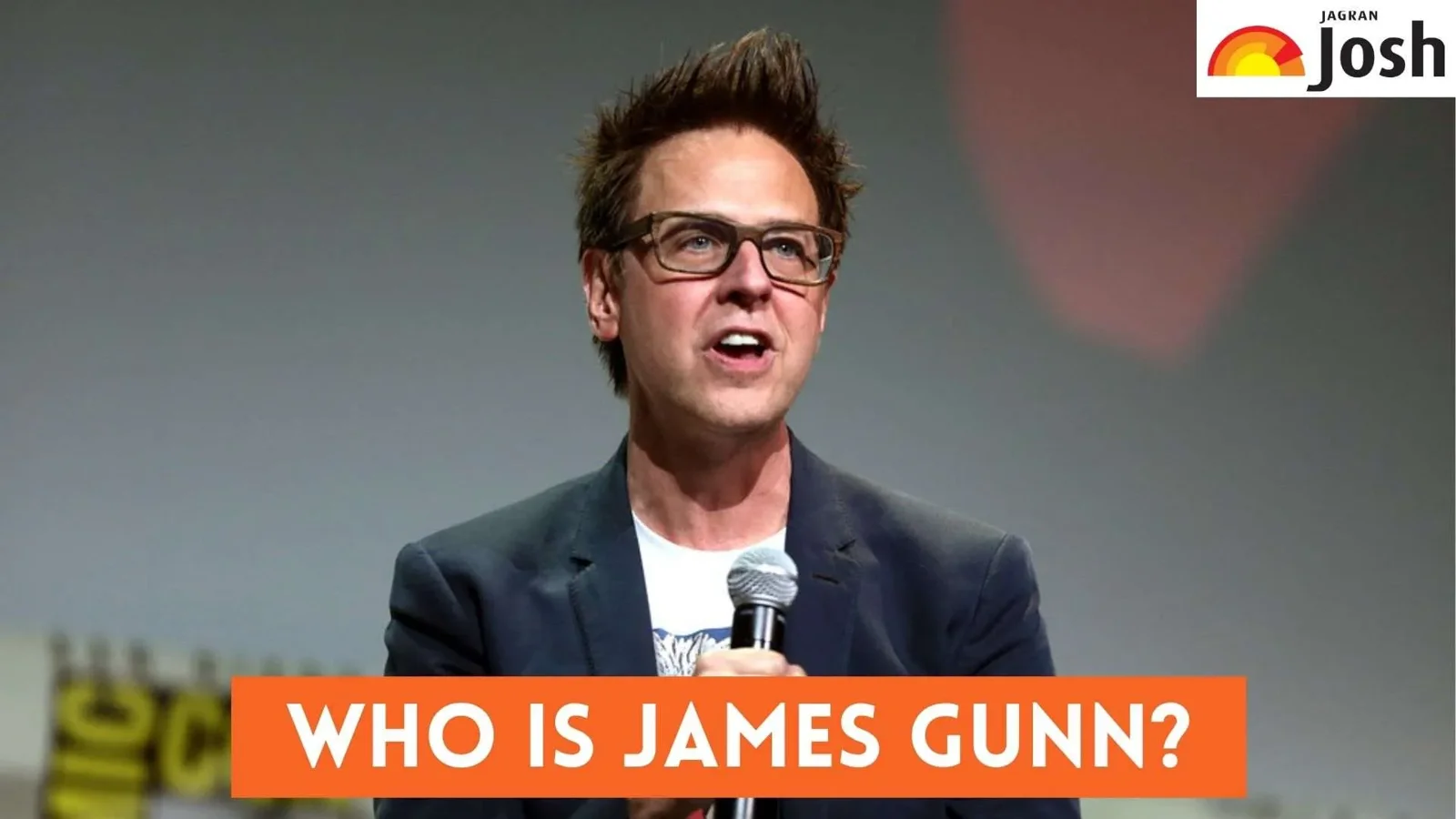
What Sets Gunn’s Ending Apart from Man of Steel’s Controversy?
Michael Shannon’s portrayal of Zod in Man of Steel gave the villain depth and relatability, making his death carry emotional weight for viewers. The conflict between Superman and Zod was grounded in significant stakes, and Zod was seen as a fully realized character rather than a mere obstacle.
Conversely, Ultraman functions primarily as a dark mirror to Superman, lacking the layered characterization that shaped Zod’s role. The real driving force behind the conflict this time is Lex Luthor, whose schemes add complexity beyond the physical showdown. Furthermore, Superman’s act of sending Ultraman into a black hole, instead of a direct killing blow, softens the moral implications somewhat.
Another factor that differentiates Gunn’s film is its hopeful and more faithful tone toward the classic Superman mythos. Unlike the grim atmosphere surrounding Man of Steel, which made Superman’s lethal action feel more oppressive, Gunn’s narrative leaves room for optimism and the potential for future redemption or return of Ultraman.
The Impact and Future of Superman’s Moral Dilemma
The decision to include a deadly confrontation raises questions about Superman’s ethical boundaries and how far he can go to protect the world without compromising his ideals. Fans have long debated the character’s willingness to kill and whether such moments undermine his role as a symbol of hope.
With Superman’s promising box office performance, James Gunn’s choices may influence upcoming storylines, possibly exploring Ultraman’s ambiguous fate and setting a tone for a brighter future for the superhero. This latest installment challenges viewers to reconsider what makes Superman heroic while sparking renewed discussion about narrative risks in superhero cinema.
Our Reader’s Queries
Q. Why is James Gunn leaving Marvel?
A. In 2018, James Gunn lost his job at Marvel due to public anger over some old, inappropriate tweets about sensitive topics like abuse and other serious issues.
Q. What is James Gunn’s religion?
A. The CGI version of Krypto the Superdog in Gunn’s 2025 Superman adaptation was inspired by Ozu. Gunn grew up in a Catholic household and has stated that prayer remains significant for him, though he feels somewhat opposed to organized religion.
Q. What religion is James Gunn?
A. Gunn grew up in a Catholic household and has shared that prayer is still significant to him. However, he also stated that he is, in some respects, against organized religion.
