
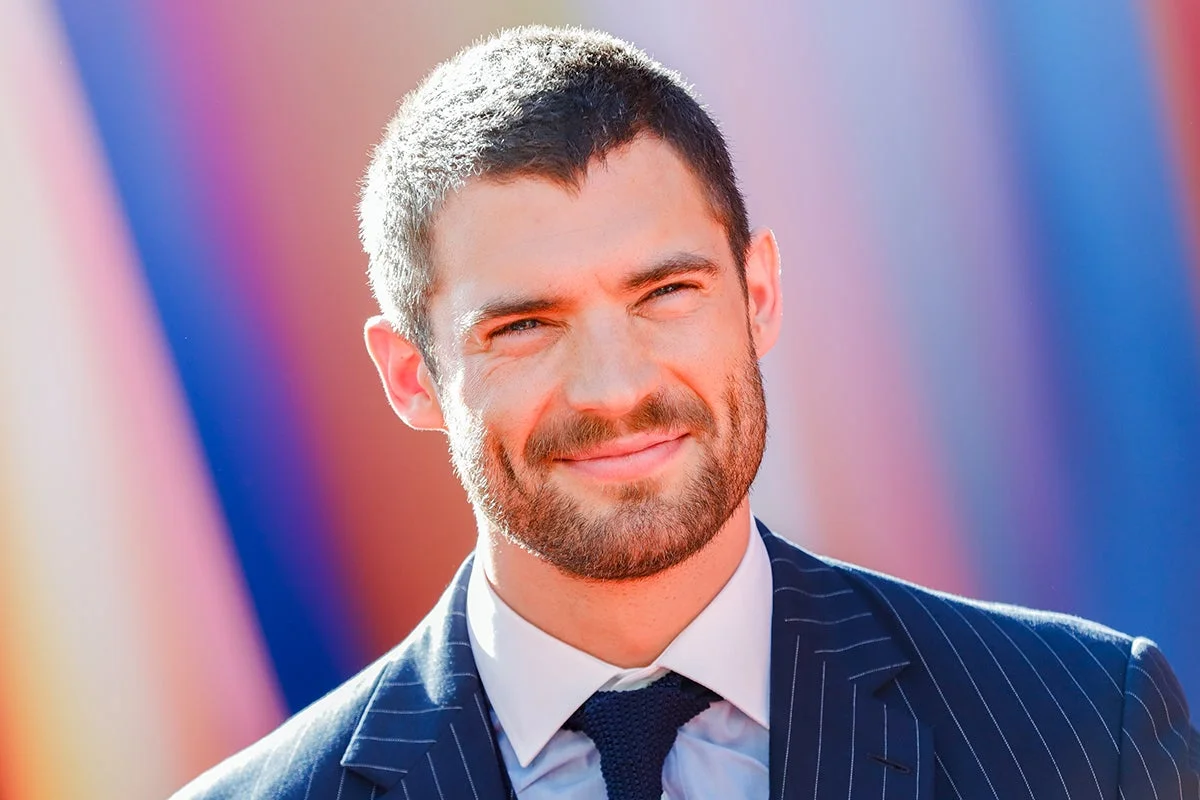
David Corenswet, star of the upcoming Superman (2025) film, recently shared a striking opinion on how Qui-Gon Jinn’s training of Anakin Skywalker might have unfolded, presenting a view that diverges notably from George Lucas’ original vision. This perspective on the pivotal role of Qui-Gon in Anakin’s life deepens the ongoing discourse around the Star Wars saga’s character development and storytelling choices.
The debate over whether Obi-Wan Kenobi or Qui-Gon Jinn should have been Anakin’s mentor remains contentious, with fans examining how each Jedi’s influence might have altered Anakin’s path. Corenswet emphasized the emotional and experiential qualities Qui-Gon could have brought to Anakin’s training, contrasting them with Obi-Wan’s approach and the consequences of the latter’s guardianship.
David Corenswet’s Reflection on the Jedi Training That Could Have Been
According to conversations shared on social media by David Corenswet, he believes Qui-Gon Jinn was the rightful figure to train Anakin due to his unique combination of experience, intuition, and an unorthodox capacity for love — a sentiment often discouraged within the Jedi Order. Corenswet highlighted the complexities of Obi-Wan’s role, acknowledging his commitment and care for Anakin, even though he was a substitute mentor by necessity.
“[Obi-Wan Kenobi] wasn’t the one who was supposed to train Anakin; that was supposed to be Qui-Gon. Qui-Gon had the experience and the instinct and, frankly, the love, which, you know, in the Jedi Order is not terribly encouraged. Qui-Gon went against the Order in feeling this great love for the kid and having this sense, and if it had been Qui-Gon, you know, it probably would’ve gone better. But, that said, Obi-Wan is also justified because he made a promise to his dying master. He’s gotta follow through, and he cares about the kid too.”
—David Corenswet, Actor in Superman (2025)
This view underscores a nuanced understanding of Anakin’s emotional struggles. Corenswet suggests that Qui-Gon’s affection and willingness to defy the Jedi Council’s strictures could have provided Anakin with the emotional support he lacked under Obi-Wan’s stewardship. This potential shift might have lessened Anakin’s feelings of isolation and resentment, possibly altering his decisions and responses to challenges throughout his journey.
George Lucas’ Contrasting Perspective on Anakin’s Training and Fate
In contrast to Corenswet’s interpretation, George Lucas voiced a starkly different opinion regarding who should have trained Anakin. Lucas believed that Qui-Gon’s decision to train Anakin was misguided and fraught with danger. He aligned with Yoda’s skepticism about initiating Anakin into Jedi training, emphasizing the precarious balance of the Force and the dark destiny awaiting Anakin.
“I think it is obvious that he [Qui-Gon] was wrong in Episode I and made a dangerous decision, but ultimately this decision may be correct. The ‘phantom menace’ refers to the force of the dark side of the universe. Anakin will be taken over by dark forces which in turn destroy the balance of the Galaxy, but the individual who kills the Emperor is Darth Vader – also Anakin.”
—George Lucas, Creator of Star Wars
Lucas’ view complicates the narrative by suggesting that Qui-Gon’s choice, while risky and arguably reckless, might have been necessary for the larger cosmic balance. This perspective places significant emphasis on Anakin’s eventual fall and transformation into Darth Vader, framing Qui-Gon’s actions as contributing factors to a tragic but preordained sequence of events.
Lucas does not merely criticize Qui-Gon’s defiance of the Jedi Council, but suggests that training Anakin at all was a fundamental error, highlighting the inevitability of Anakin’s fall to the dark side. This stance contrasts sharply with Corenswet’s belief that a more compassionate mentor could have influenced Anakin’s path more positively.
Further enriching this discourse, Marvel Comics’ Phantom Menace 25th anniversary special leans into the idea that Qui-Gon’s unique mentorship might have prevented Anakin’s descent into darkness, adding another layer to fans’ understanding of what might have been.
Why David Corenswet’s Interpretation Resonates Strongly
For many fans and observers, David Corenswet’s interpretation offers a more hopeful and emotionally grounded perspective on Anakin’s development. His emphasis on Qui-Gon’s love and intuitive care aligns with an understanding of Anakin as a deeply troubled youth whose struggles with attachment and anger drove much of his downfall.
Corenswet argues that Qui-Gon’s compassionate guidance could have provided Anakin with a confidant and mentor capable of recognizing and addressing his inner turmoil before it escalated. This could have encouraged Anakin to seek advice openly rather than conceal his struggles from Obi-Wan and the Jedi Council, as seen in Star Wars: Episode II – Attack of the Clones.
Although the overall narrative arc mandated Anakin’s transformation into Darth Vader, reflecting the fate scripted by George Lucas, Corenswet’s view serves as a compelling “what if” scenario that fuels fan speculation and deepens the complexity of the characters involved.
This perspective does not absolve Obi-Wan Kenobi of his responsibilities but instead acknowledges the constraints and promises that shaped his guardianship, painting a fuller picture of the emotional stakes within Anakin’s Jedi training.
By exploring the divergent opinions of David Corenswet and George Lucas on “David Corenswet Qui-Gon Training,” the Star Wars community gains a richer appreciation of the narrative tensions that continue to captivate audiences. Whether Qui-Gon’s love and approach could have altered Anakin’s fate remains a subject of passionate debate, reflecting the enduring power and complexity of the saga.
