
Kurt Russell’s most memorable Western shootout is often attributed to Tombstone, but his standout duel actually occurs in the 1996 film Escape from L.A. Directed by John Carpenter, Escape from L.A. is the sequel to Escape from New York and features Russell reprising his role as Snake Plissken in a dystopian Los Angeles. Despite being less celebrated, the movie contains one of Russell’s coolest confrontations that blends Western motifs with a futuristic setting.
A Unique Western Duel in Escape from L.A.
In Escape from L.A., Snake Plissken finds himself surrounded by four heavily armed gunmen after a car chase. Instead of panicking, he proposes a game called “Bangkok Rules,” where no one may draw a weapon until a thrown can hits the ground. This clever standoff showcases Snake’s calm under pressure and shooting skill, as he draws his revolvers and dispatches the attackers before the can falls, defying expectations yet technically following the rules.
John Carpenter injects tension reminiscent of classic Sergio Leone Westerns into this scene, emphasizing the suspense as Snake tosses the can and prepares for the shootout. The duel exemplifies Snake Plissken’s antihero persona, demonstrating a mix of wit, danger, and a loose adherence to honor codes despite his outlaw status.
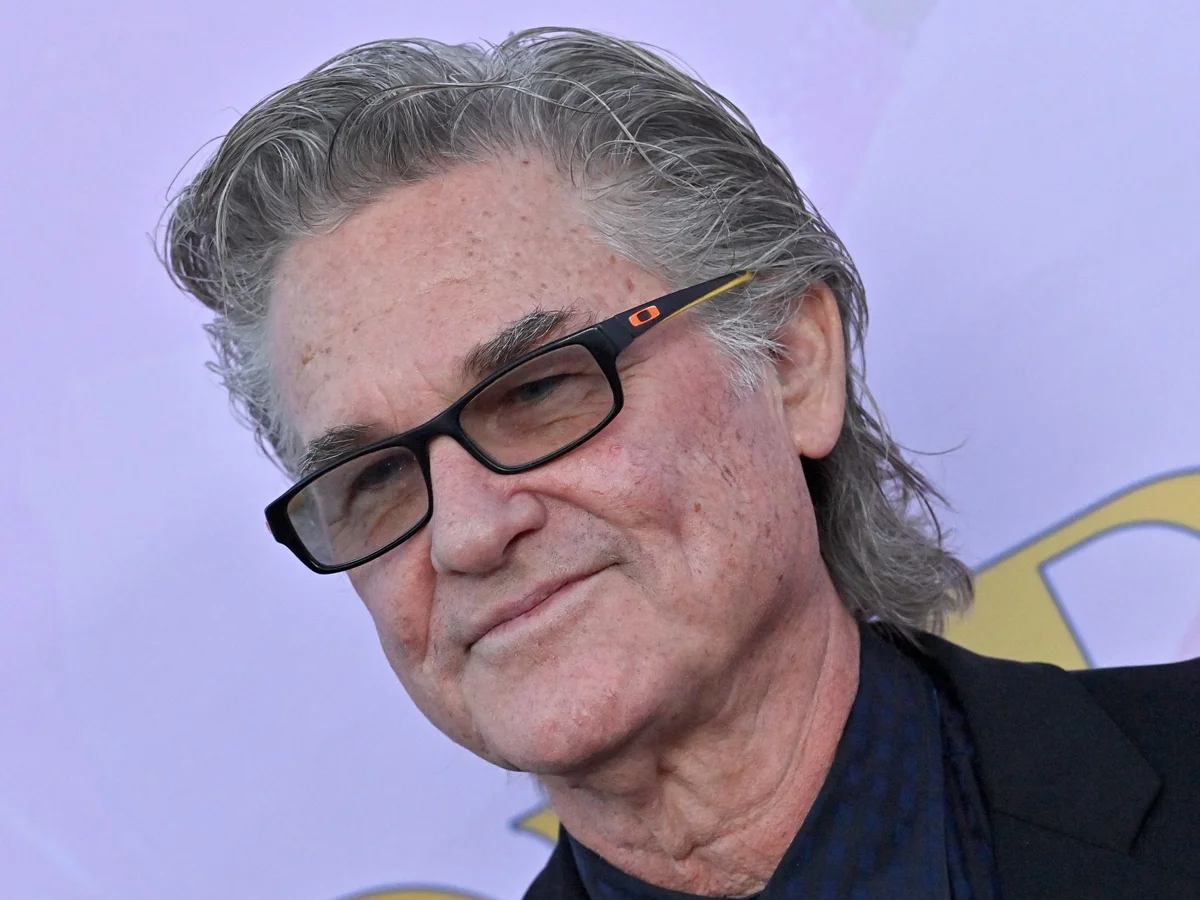
“I’m going to give you a*******” —Snake Plissken
“Then Snake declares they’re going to play Bangkok Rules, where he throws a can into the air with the simple rule that they can’t draw until it hits the ground.” —Narration from the scene description
Although Escape from L.A. is criticized for subpar CGI and recycling elements from the original Escape from New York, this particular gunfight stands out for blending Western tension with action cinema. The scene’s importance is heightened by fans’ speculation around a planned third film, Escape from Earth, which never materialized.
How John Carpenter’s Films Channel Classic Westerns
John Carpenter’s body of work often reflects his passion for Western films, despite working primarily in genre hybrids like horror and action. He has cited traditional Westerns like Rio Bravo as major influences and viewed his own films as modern reinterpretations of Western themes. By the time Carpenter entered directing, traditional Westerns were declining in popularity, so he adapted the genre’s motifs into contemporary stories.
The Escape from… films follow this blueprint closely. Snake Plissken operates as an archetypal gunslinger, entering dangerous, lawless environments—metaphorically “towns”—such as a dystopian New York and Los Angeles. His character embodies Western antihero qualities, navigating a ruthless world with a personal code of honor and pragmatism.
The “Bangkok Rules” moment in Escape from L.A. is acknowledged as perhaps the clearest nod to classic Western shootouts across Carpenter’s works. The films combine dialogue influenced by Howard Hawks’ style and Russell’s portrayal channels the stoic toughness of Clint Eastwood’s Western heroes.
Why Tombstone’s OK Corral Shootout Remains a Western Benchmark
While Escape from L.A. offers a fresh take on the Western duel, it cannot eclipse the status of Russell’s portrayal of Wyatt Earp in Tombstone. Released in 1993 and directed by George P. Cosmatos, Tombstone has become one of the most acclaimed modern Westerns, renowned for its rich performances, intense storytelling, and iconic gunfights.
The movie’s dramatic retelling of the Gunfight at the O.K. Corral—where the Earp brothers and Doc Holliday face off against the outlaw Clanton gang—is widely regarded as one of the finest Western shootout sequences ever filmed. The slow build-up and final confrontation deliver unmatched suspense and cinematic intensity.
Kurt Russell’s role as Earp remains his defining Western character, while Escape from L.A. highlights his skill in portraying a futuristic antihero. Though both films showcase his talent, Tombstone’s shootout at the O.K. Corral is still considered the pinnacle of his Western action scenes.
Setting the Stage: The Context of Escape from L.A.
Escape from L.A. is set in a dystopian version of Los Angeles, transformed into a penal colony following a massive earthquake. Russell’s character, Snake Plissken, is sent to retrieve a powerful device from the president’s daughter amid societal chaos. The mission unfolds against a backdrop of rebellion and lawlessness, blending political intrigue with high-stakes action sequences.
The film is a continuation of the Escape from New York story, combining science fiction with Carpenter’s signature style. Though it received mixed reactions, it offers memorable moments, especially the Western-inspired clash against multiple gunmen. The collaboration between Russell and Carpenter also involved writers like Debra Hill, but their projects sometimes suffered due to evolving visual effects standards and audience expectations in the 1990s.
The Western Underpinnings of Modern Action Cinema
Many of John Carpenter’s films function as disguised Westerns, repurposing classic elements such as lone heroes, moral ambiguity, and territorial rivalries into modern or speculative settings. Assault on Precinct 13, They Live, and Vampires are key examples of this pattern, carrying the spirit of Westerns forward through genre reinvention.
In these films, and particularly in the Escape from… duology, the guiding narrative involves a solitary figure forced to impose order in chaotic, lawless zones that resemble frontier towns. Snake Plissken’s antihero status aligns with these traditional Western figures, combining toughness, resourcefulness, and an underlying code of conduct, despite operating outside societal norms.
Legacy and Influence of Russell’s Western Roles
Kurt Russell’s performances in Western-themed roles reveal his versatility and ability to inhabit characters that are both iconic and complex. Tombstone’s Wyatt Earp remains a staple of the genre, offering a grounded and highly regarded portrayal of American frontier justice. Conversely, Escape from L.A. presents a futuristic, stylized Western showdown that mixes classic tension with dystopian spectacle.
The resonance of these films demonstrates the enduring appeal of Western archetypes, even when transported to new contexts. Russell’s embodiment of both the traditional gunslinger and the rebellious antihero reflects the genre’s adaptability, while directors like Carpenter continue evolving the form by blending Western storytelling with science fiction and action elements.
Our Reader’s Queries
Q. Is Kurt Russell ill? There has been no official confirmation that Kurt is suffering from any illness, despite several sources — all of which are questionable — claiming he was hospitalized in 2023 and suffers from Peutz-Jeghers Syndrome (PJS), a rare genetic disorder that can cause dark spots on the skin.
A. Kurt Russell has not publicly confirmed having any illness or disease. There is no verified information in the media about his health issues.
Q. Was Kurt Russell a smoker?
A. Nowadays, it’s really hard to smoke a cigarette in many places. Even though I gave it up six months ago, strict smoking laws still tempt me to smoke. I never got along well with people from my own generation, and they didn’t like me much either.
Q. Is Kate Hudson Kurt Russell’s daughter?
A. Kate Hudson, 45, and Oliver Hudson, 48, are the kids of actors Goldie Hawn and Bill Hudson. When their parents divorced, Goldie Hawn and her partner, Kurt Russell, raised them because they weren’t close to their biological father. They also have a half-brother named Wyatt Russell.
Q. What is Kurt Russell’s diagnosis?
A. There is no official proof that Kurt has any health problems. Some unreliable sources say he was in the hospital in 2023 and has Peutz-Jeghers Syndrome (PJS). This rare genetic condition can cause dark spots on the skin.
