
In the 2000 film O Brother, Where Art Thou?, George Clooney‘s singing voice was actually provided by Dan Tyminski, a respected bluegrass singer-songwriter and member of Alison Krauss’ band Union Station. Rather than Clooney performing the vocals himself, Tyminski’s voice was used for lip-synched musical numbers, a common practice when actors lack the necessary singing ability. This decision ensured the film’s traditional bluegrass songs were authentically represented, contributing significantly to its soundtrack’s success.
Elise Tyminski’s Unexpected and Amusing Response
Dan Tyminski’s role as Clooney’s ghost singer brought an amusing moment involving his wife, Elise Tyminski. When Dan shared the news of his unique involvement with the film, Elise expressed a playful reaction that later had to be addressed directly to Clooney. Ghost singing, the practice of an uncredited vocalist performing songs for actors onscreen, has been common in movies to complement the actor’s performance. For O Brother, Where Art Thou?, the filmmakers employed authentic bluegrass musicians, including Gillian Welch, Alison Krauss, and Emmylou Harris, to sing the film’s traditional songs.
The film’s centerpiece was the song Man of Constant Sorrow, performed on screen by the fictional Soggy Bottom Boys. In reality, this group consisted of Dan Tyminski alongside Harley Allen and Pat Enright from Union Station. Reflecting on his involvement during a 2010 appearance on the show Country’s Family Reunion, Tyminski recalled how his wife responded upon learning about his job.
“I explained, you know, in this case, when you went to the theater, you’d be looking at George Clooney up on the big screen. But you’d be hearing my voice coming out.” —Dan Tyminski, Bluegrass Singer-Songwriter
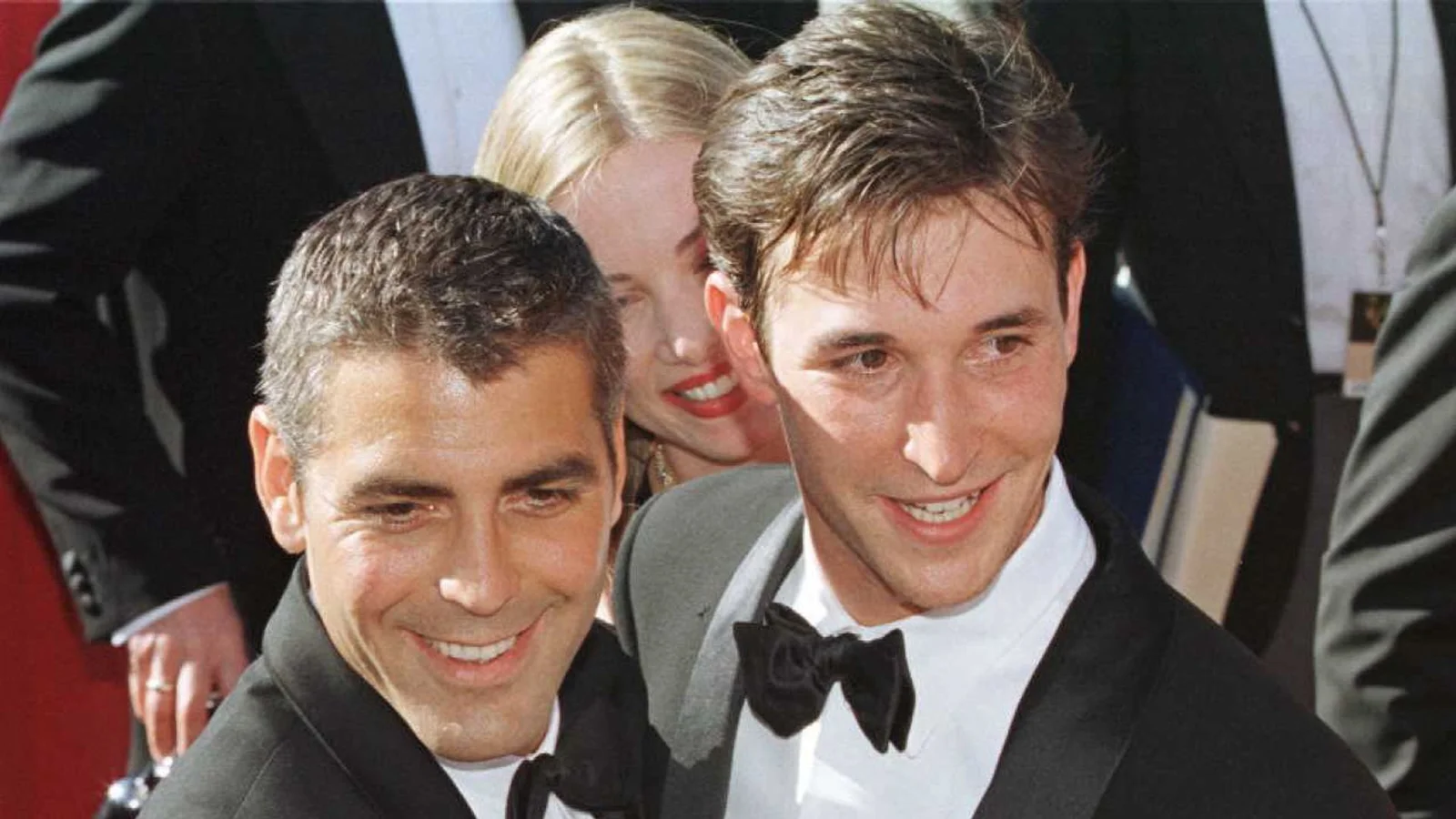
Elise’s reaction was, “That’s my fantasy!” Tyminski said with a laugh. When the film premiered in New York City, Clooney playfully embarrassed Elise on the red carpet by bringing up her comment.
“He actually went and embarrassed her on the red carpet in front of a bunch of cameras,”
“[He] leaned over and said, ‘I heard what you said.’ She just turned five shades of red and then looked at me with that look that you knew I was way in trouble. She was smiling, but I knew deep down, I was like, ‘Oh, boy.’” —Dan Tyminski, Bluegrass Singer-Songwriter
From Disappointment to Lasting Success
Although Dan Tyminski never appeared onscreen singing, his recording of Man of Constant Sorrow became one of his most recognized works, regularly requested by bluegrass fans across venues. In a 2024 interview at Nashville’s Ryman Auditorium, Tyminski reflected on what initially felt like a missed opportunity, which eventually transformed into a career-defining moment.
Originally, Tyminski believed he would record the song as a duet with Clooney. However, after the production team discovered Clooney’s singing did not meet their expectations, Tyminski performed the track solo.
“I don’t know what we’re doing in here.” He says, “I’ll make you a deal. I’ll act. You sing.” And he shook my hand.” —George Clooney (as remembered by Dan Tyminski)
Though initially disappointed by no longer recording alongside Clooney, Tyminski soon realized the significant benefits this arrangement brought to his life.
“I was crushed, thinking that, ‘Oh, my gosh, I just lost the biggest opportunity,’ which, to me, was to record it with Clooney. When he said that, what I didn’t realize was instead of the $320 I would have made for my session fee, which I would have been plenty happy for, instead of that, I got to pay off my house, and I got to buy new cars, and I got to put my kids through college. I got to raise a family in a manner that I would have never have had without that song, and really, that’s because George Clooney said, ‘I’ll act. You sing.’” —Dan Tyminski, Bluegrass Singer-Songwriter
The Enduring Impact of the O Brother, Where Art Thou? Soundtrack
Dan Tyminski’s contribution to the soundtrack helped cement the film’s place in both cinema and bluegrass music history. The authentic performances by Union Station members and their collaborators brought traditional bluegrass into the spotlight and inspired new audiences. This success not only gave Tyminski long-lasting recognition but also transformed what he once feared was a lost opportunity into a milestone that shaped his personal and professional life. The story of his voice behind George Clooney in the film continues to resonate among music and film enthusiasts alike.
Our Reader’s Queries
Q. Did George Clooney go to Harvard?
A. George Clooney went to Northern Kentucky University and the University of Cincinnati but didn’t finish his degree at either school. It seems he isn’t planning to return to college anytime soon. For tips on bettering your career, life, and relationships, consider subscribing to our Best Life newsletter. It’s free to join.
Q. Who did George Clooney give $1,000,000 to?
A. Back in 2013, George Clooney decided to give $1 million to each of his 14 best friends. He did this to show gratitude for their support. He invited them to a dinner and handed each person a suitcase filled with $20 bills. Clooney wanted to repay them for standing by him when he was having a tough time in Hollywood.
