
James Gunn, co-CEO of DC Studios, recently revealed that a fully greenlit DC Universe (DCU) movie had to be canceled even though both a director and a writer were attached. Gunn made his comments during an NPR interview, explaining that the decision was driven by issues with the screenplay, which failed to come together despite multiple drafts. This move highlights DC Studios’ commitment to quality control as its new slate of projects, including the recently released Superman movie, continues to take shape.
At the heart of DC Studios’ strategy is a strict emphasis on finalized and polished scripts before any film moves into production. This approach marks a clear difference from previous projects associated with the DC Extended Universe (DCEU), where rushed scripts and production sometimes undermined the final product. Gunn emphasized that if a screenplay does not meet the studio’s standards, they would rather cancel the project than release a subpar movie that damages all involved.
Challenges with Screenplay Development and Studio Decisions
According to Gunn, a key challenge in filmmaking is achieving a complete, coherent script where all parts, including the beginning and end, fit seamlessly. He criticized the common practice of developing screenplays in fragmented stages, with a strong first act that does not necessarily align with the final act. This disconnect, he said, harms the storytelling structure and ultimately the film‘s success.
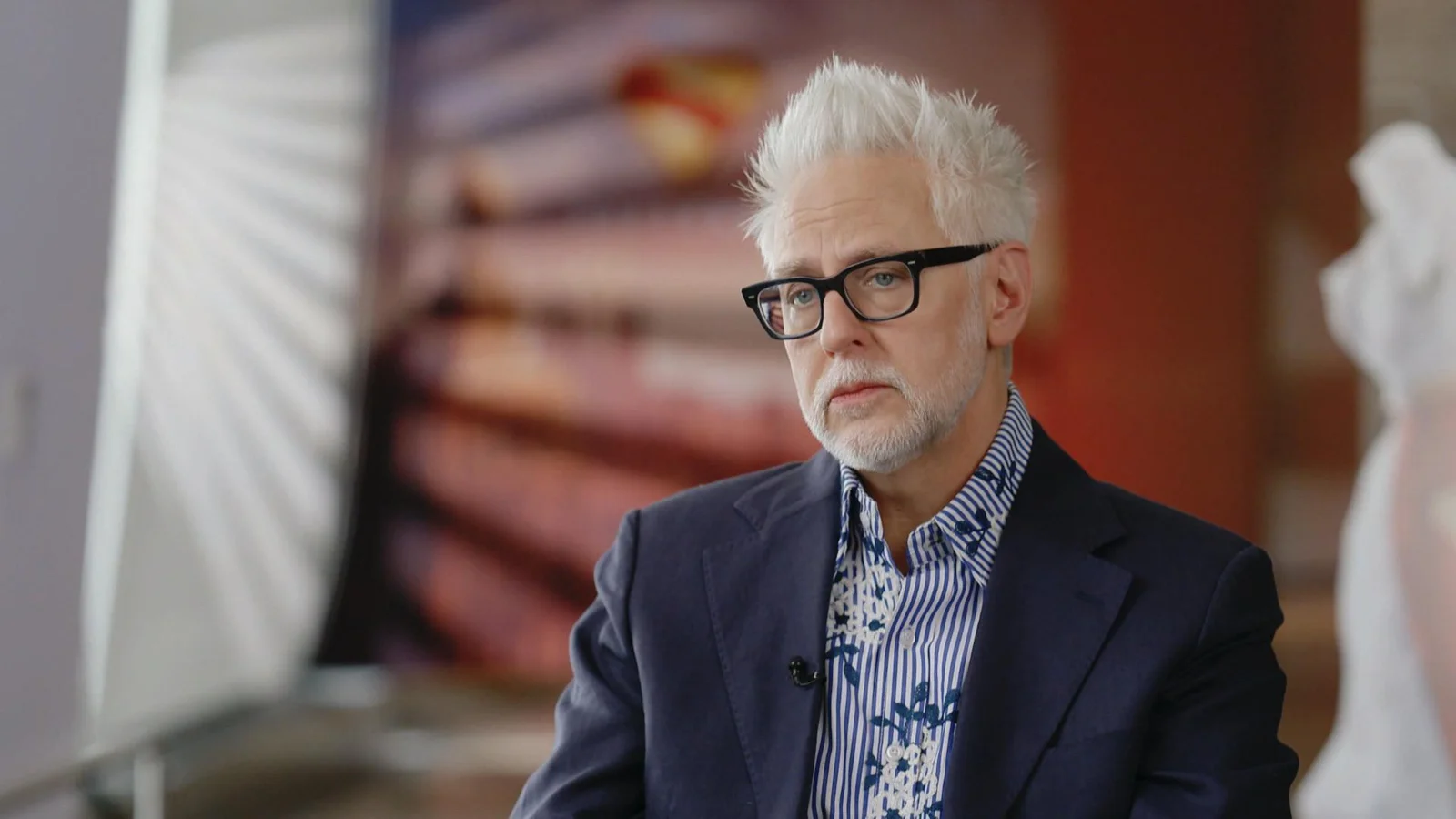
“One of the problems is that when they’re writing these screenplays that aren’t finished, you’re getting the first act. And you’re often in a first act that’s great, but you can’t write a first act that doesn’t relate to the last act. So if the last act isn’t written, movies don’t work like that. Plots don’t work like that. They’re a piece of – you know, it’s like a clock, you know, where everything has to fit and work together. And I’ve seen it happen again and again, and it irritates the hell out of me. And as much as I go out there and keep, you know, talking about it, they still keep doing it, and it’s crazy. But I’ll never do it. I will never do it.”
Gunn further described the halted movie as one that had reached second and third draft stages but failed to improve. Despite having talented individuals attached as director and screenwriter, the script remained stagnant, and continuing would have risked releasing a weak film.
“I just stopped – you know, we had a screenplay that – you know, a movie that was greenlit. We went about. We got second draft and third draft, and it just wasn’t changing. It wasn’t getting better. It was staying in the same place. And I said, we can’t make this film. We can’t. It’s not good. We know it’s not good. Just because we have a good director attached and a good screenwriter, it doesn’t mean the script is working. It’s – everyone is going to be upset at the end of this. It’s going to come out, the movie’s not going to be good. Director’s going to look bad, screenwriter’s going to look bad and we’re going to look bad. So I don’t want to have this. We’re not going to make the movie. And so we killed it.”
He also commented on the usual studio culture, where once a project is greenlit, it often proceeds regardless of quality, largely to avoid disappointing stakeholders. Gunn criticized this tendency as harmful, noting that people frequently prioritize being liked and avoiding letting others down, rather than focusing strictly on the project’s merit.
“I would be surprised if it’s ever happened at a studio ’cause that’s just not the way things work. People are really excited to have something greenlit, and then they go and they just make it because they have to say yes to everybody, and they don’t want to disappoint everybody. You know, for all the talk of the movie business being so based on dollars and cents, it is based on like me, like me, like me, like me, like me. And it’s terrible. People don’t want to be not liked. They don’t want to let people down, and it’s terrible. It’s not good for anyone.”
Implications of Gunn’s Comments for the DC Universe
It remains unclear which DCU movie James Gunn was referring to in his interview, as neither he nor DC Studios disclosed the project’s title. Speculation among fans includes the possibility of the canceled movie being the rumored Swamp Thing film, which had James Mangold attached as director and writer. Since there have been few updates on that project since its announcement in January 2023, the cancellation theory gains some traction, though no confirmation has been offered.
The decision to halt a greenlit DCU movie demonstrates DC Studios’ resolve to avoid mistakes associated with earlier DCEU films, many of which faced criticism for rushed production and uneven storytelling. By refusing to move forward with projects that do not meet a certain creative standard, James Gunn and co-CEO Peter Safran signal a new era focused on long-term success rather than quick turnaround.
This diligent approach aligns with the intense competition between DC Comics and rival Marvel, as well as the broader Hollywood environment where profitability depends heavily on quality and audience reception. While delays and cancellations can disappoint fans, Gunn’s insistence on strong scripts may ensure better films, higher critical acclaim, and stronger franchise sustainability.
Looking Forward: DC Studios’ Upcoming Projects and Future Plans
Despite the setback of one canceled DCU film, DC Studios continues to advance numerous other projects actively. The new chapter under James Gunn and Peter Safran includes several anticipated films and television series, with scripts currently in development. Notably, new Batman and Wonder Woman movies are progressing through the writing stages, promising fresh storytelling within the DC Universe.
The studio’s measured pace, focusing on script readiness prior to production, could lead to a revitalized DCU that sidesteps the missteps of the past. Industry watchers and fans alike will be watching closely as these projects develop, hoping for consistent improvements in quality and coherence.
Ultimately, James Gunn’s decision to cancel a fully greenlit movie despite significant creative attachment highlights DC Studios’ prioritization of narrative integrity over simply fulfilling production quotas or fan expectations prematurely. This could reshape how future DCU films are developed, promoting a more sustainable and artistically ambitious slate.
Our Reader’s Queries
Q. What is James Gunn’s religion?
A. Ozu was the model for the new CGI version of Krypto the Superdog in Gunn’s 2025 Superman remake. Raised in a Catholic home, Gunn has stated that prayer still holds significance for him. However, he has also expressed that he is “in some ways, anti-religion.”
