
Joaquin Phoenix addressed the widely discussed 2009 interview he gave on The Late Show with David Letterman during an appearance on The Late Show with Stephen Colbert on July 15. The actor expressed regret over his behavior during that interview, which became infamous for its awkwardness because Phoenix remained in character throughout the entire segment. His apology, reflecting on those moments, was clear and heartfelt as he discussed why the experience troubled him.
Uncomfortable Moments and An Apology Delivered
Phoenix described the experience of staying in character during the Letterman interview as “horrible,” acknowledging the discomfort he caused. He candidly stated,
“It was so uncomfortable. I regret it. I’ll never do it again. I’m so sorry.”
Understanding the lasting impact of the incident, he emphasized his apology directly, hoping Letterman could hear it:
“I just need to say, I’m sorry.”
Adding a touch of humor about the event’s aftermath, Phoenix joked,
“I imagine they did a major exorcism after I left.”
The Original 2009 Interview and Context Behind the Act
During the February 2009 episode of The Late Show, Phoenix appeared sporting a large beard and sunglasses, behaving in an unusually withdrawn and unresponsive way. His mumbling and minimal engagement left the audience and Letterman visibly perplexed. A notable moment occurred when Phoenix took gum from his mouth and instead of eating it, stuck it under Letterman’s desk. While Letterman made jokes at Phoenix’s expense, the actor maintained a notably deadpan demeanor, which contributed to an awkward atmosphere that many viewers remember vividly.
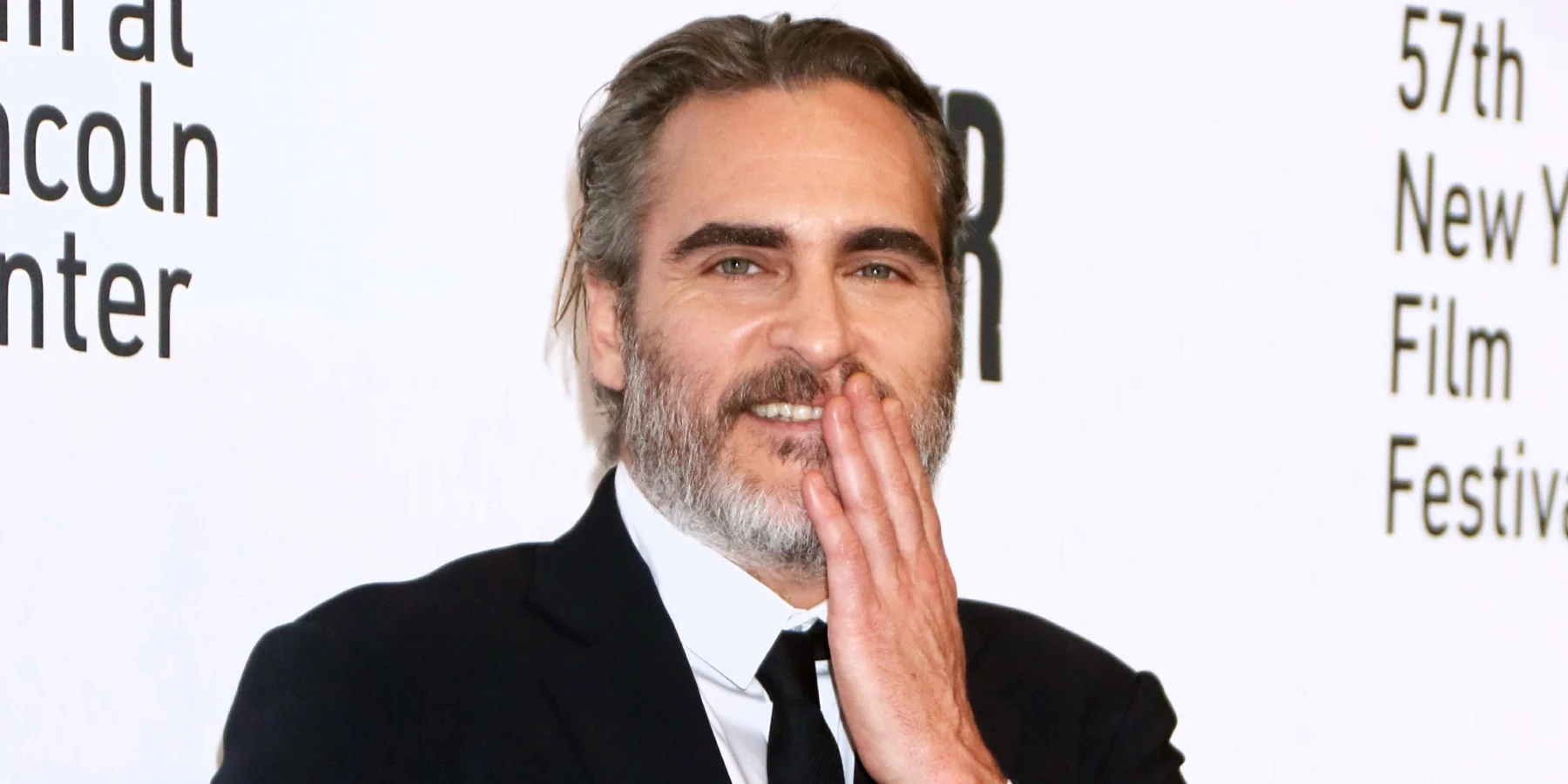
Letterman’s closing joke on the segment,
“Joaquin, I’m sorry you couldn’t be here tonight,”
underscored the bizarre nature of the performance. It was later revealed this entire stunt was part of Phoenix’s mockumentary I’m Still Here, where he portrayed a persona quitting acting to become a rapper. The interview was filmed as a scene within the movie.
Clarifications and Follow-Up on Letterman’s Show
Phoenix returned to The Late Show in 2010, appearing as himself to clarify the previous year’s strange encounter. He expressed hope that he had not caused offense:
“I hope I didn’t offend you in any way.”
Letterman’s response was generous and lighthearted:
“Oh no, I was not offended. I’m telling you, it was so much fun.”
This exchange helped to diminish some of the tension that had lingered from the earlier interview.
Maintaining Character and The Toll It Took on Phoenix
Speaking to Colbert while promoting the film Eddington, Phoenix revealed how difficult it was to stay in character during the filming of I’m Still Here. He indicated that he informed Letterman’s team about his intention to remain in character and even wanted Letterman to mock him intensely. Recalling the pre-interview conversation, Phoenix said,
“I said, ‘Listen, this is what I’m doing. I’m telling you, I’m coming out here and I’m doing this whole thing, and I just want Dave to lacerate me.’ I just want it to be really dangerous.”
Looking back, Phoenix admitted that while the interview delivered the confrontational response he sought, it left him feeling trapped and distressed.
“In some ways, it was a success, and it was also just one of the worst nights of my life,”
he reflected, acknowledging the emotional weight of that night.
The Lasting Impact of the Letterman Interview on Phoenix’s Career and Image
The 2009 Letterman interview has remained a notable moment in Phoenix’s career, illustrating the blurred lines between performance art and real-life reactions. His public apology marks a significant moment of vulnerability, showing his willingness to confront past choices. By addressing the scars left by that experience on such a prominent platform, Phoenix has clarified his intentions and expressed remorse, positioning himself to move forward with greater openness.
This apology also provides context to fans and critics alike about the complexities of his approach to acting and public appearances during that period. It is likely that his honesty in recent discussions will encourage a reassessment of that infamous episode, fostering understanding rather than judgment as he continues to evolve both personally and professionally.
Our Reader’s Queries
Q. Was Joaquin Phoenix a good Joker?
A. Pete Hammond from Deadline praised Phoenix’s acting, calling it “outstanding,” “bold,” and “unique.” David Rooney of The Hollywood Reporter said Phoenix’s role is the “essential highlight” of the movie, noting he portrays the character with a mix of sorrow and fearfulness.
Q. Who saved Joaquin Phoenix?
A. Famous movie director Werner Herzog shares a story about the time he stopped Joaquin Phoenix from lighting a dangerous cigarette.
Q. Is Joaquin Phoenix a good Joker?
A. To sum up, Phoenix delivers an amazing portrayal of the Joker, yet he misses the elements of playfulness, surprise, and larger-than-life presence.
Q. Does Joaquin Phoenix have a condition?
A. Joaquin Phoenix’s experience with scoliosis illustrates his strength and determination in overcoming physical challenges. By speaking openly about his condition, he inspires others and spreads awareness about scoliosis.
