
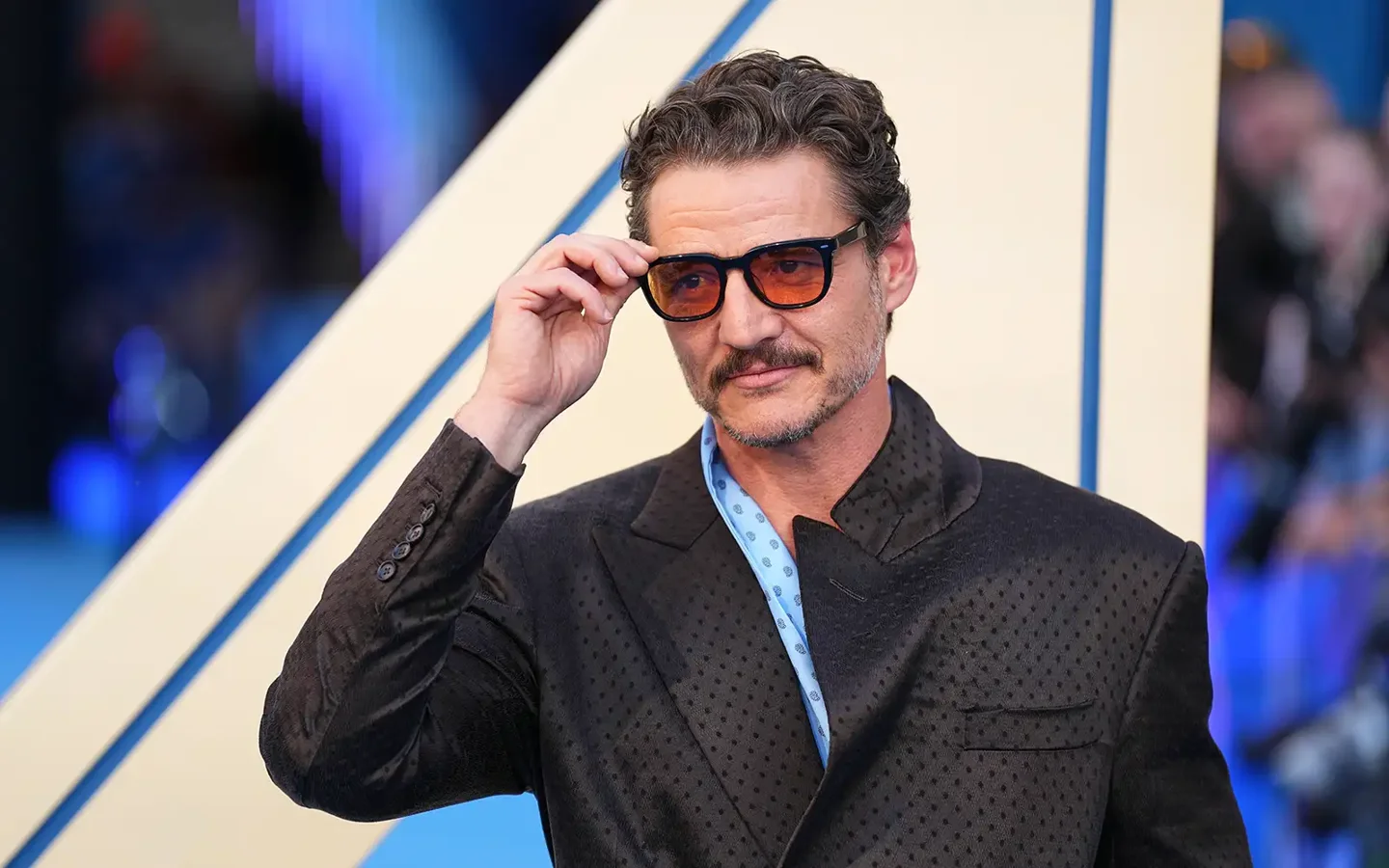
The 2024 Primetime Emmy nominations have ignited intense frustration as Pedro Pascal received a nomination for Lead Actor in a Drama Series, while Diego Luna was noticeably excluded. This Pedro Pascal Emmy nomination controversy has sparked anger among fans and critics alike, especially given the circumstances surrounding both performers’ roles this season.
Examining the Controversy Behind Pascal’s Lead Actor Nomination
Fans and industry insiders are baffled by Pedro Pascal’s lead actor nomination for season two of The Last of Us, where he appeared only briefly before his character’s early death in the second episode. Despite Pascal’s undeniable talent and emotional depth, many question how a performance confined mainly to flashbacks qualifies as a leading role. The submission of his name in the lead category has raised debates about Emmy nomination practices, with comparisons drawn to previous controversial nods, such as Brian Cox’s limited appearances in Succession’s final season securing him a lead actor nomination.
Moreover, this season of The Last of Us received several nominations despite widespread consensus that its quality declined significantly. Industry observers suggest that the nominations reflect a tendency to carry forward recognition from prior successful seasons without adequately weighing current performance or screen time. This has contributed to the perception that the Emmys are inconsistent and occasionally biased in their recognition.
Diego Luna and Andor’s Outstanding Cast Overlooked Despite Critical Acclaim
In sharp contrast, Diego Luna and the rest of the cast of Andor, widely regarded as one of the most compelling and well-acted television series today, were left off the major acting nomination lists. This snub follows a similar pattern from 2023, when none of the main cast were nominated despite the show receiving multiple award nominations in other categories. While Alan Tudyk and Forest Whitaker earned nods for voice-over and guest actor roles respectively, the core cast—including Luna, Stellan Skarsgård, Kyle Soller, and Denise Gough—remained unrecognized for their performances.
Andor’s storytelling is praised for its intimate and expansive scope, with the cast’s nuanced work being essential to its success. The omission of these actors from lead or supporting categories is regarded by many as a glaring injustice, particularly since the show will not return for a third season, removing any chance for future acknowledgment of its talent.
Broader Issues in Emmy Nominations Underlying This Year’s Discontent
The controversy surrounding Pascal’s nomination and Luna’s snub highlights broader concerns about the Emmy Awards’ selection process. Recurring frustrations include shows being nominated despite poor recent quality, misclassification of genres—like The Bear remaining in the Comedy category despite its notable tone shift—and questionable recognition of performances that some deem undeserved. The heavy presence of The White Lotus in acting categories also raised eyebrows, with critics arguing that not all its nominations were justified given the limited screen time of some actors like Sam Rockwell.
Additionally, controversial productions such as Monsters: The Lyle and Erik Menendez Story received nominations, despite problematic content choices, including insensitive allusions made by creator Ryan Murphy about real-life abuse survivors. Meanwhile, promising performances like Genevieve O’Reilly’s in Andor went unnoticed, deepening dissatisfaction with the Emmy’s ability to reward true merit.
What This Means for the Industry and Future Awards
The current Pedro Pascal Emmy nomination controversy shines a harsh light on the complexities and flaws of award show nominations. For actors like Diego Luna and the talented ensemble of Andor, this year’s oversight represents a lost opportunity for recognition that might never return. It also fuels ongoing discussions about the relevance and fairness of traditional awards in evaluating television excellence.
As The Last of Us continues to dominate nominations despite mixed reviews, and shows like Andor receive minimal acting acknowledgment, the gap between industry decisions and audience perceptions grows. This division could influence future campaigning strategies and viewer trust in awards as credible measures of artistic achievement.
Ultimately, the reaction to this year’s Emmy nominations underscores the need for more transparent and equitable evaluation criteria, especially as television continues to evolve with diverse storytelling and complex performance styles.
Related coverage: Pedro Pascal Emmy Nomination Controversy · Pedro Pascal Emmy Nomination Controversy 3
