
Denis Villeneuve is currently developing Dune: Part Three, which is expected to deliver a fresh take on the Dune saga by merging storylines from two Frank Herbert novels. Following the critical success of the first two films, Villeneuve’s next installment aims to close out his trilogy by adapting both Dune Messiah and Children of Dune into a single cinematic experience, marking a significant shift from the approach used for previous movies.
The director’s Dune series gained acclaim for its faithful, expansive rendition of Herbert’s universe, with Part One and Part Two each covering the contents of the original novel. Villeneuve opted to split the first book into two films to comprehensively develop the complex narrative and world-building. Although the greenlighting of Part Two came after the release of the first film, this decision resulted in two well-received movies and set a strong foundation for the trilogy’s conclusion.
Combining Two Novels Could Transform Dune 3’s Storytelling
Instead of using one film to continue the story of a single novel, Dune: Part Three is reportedly blending the plots of Dune Messiah, the second book, and Children of Dune, the third book in Herbert’s series. This choice is hinted at by the casting of Paul Atreides’ children as teenage characters, whereas they are infants in the original Dune Messiah timeline. This discrepancy suggests that the film will extend beyond the scope of the second novel and incorporate key elements from the third.
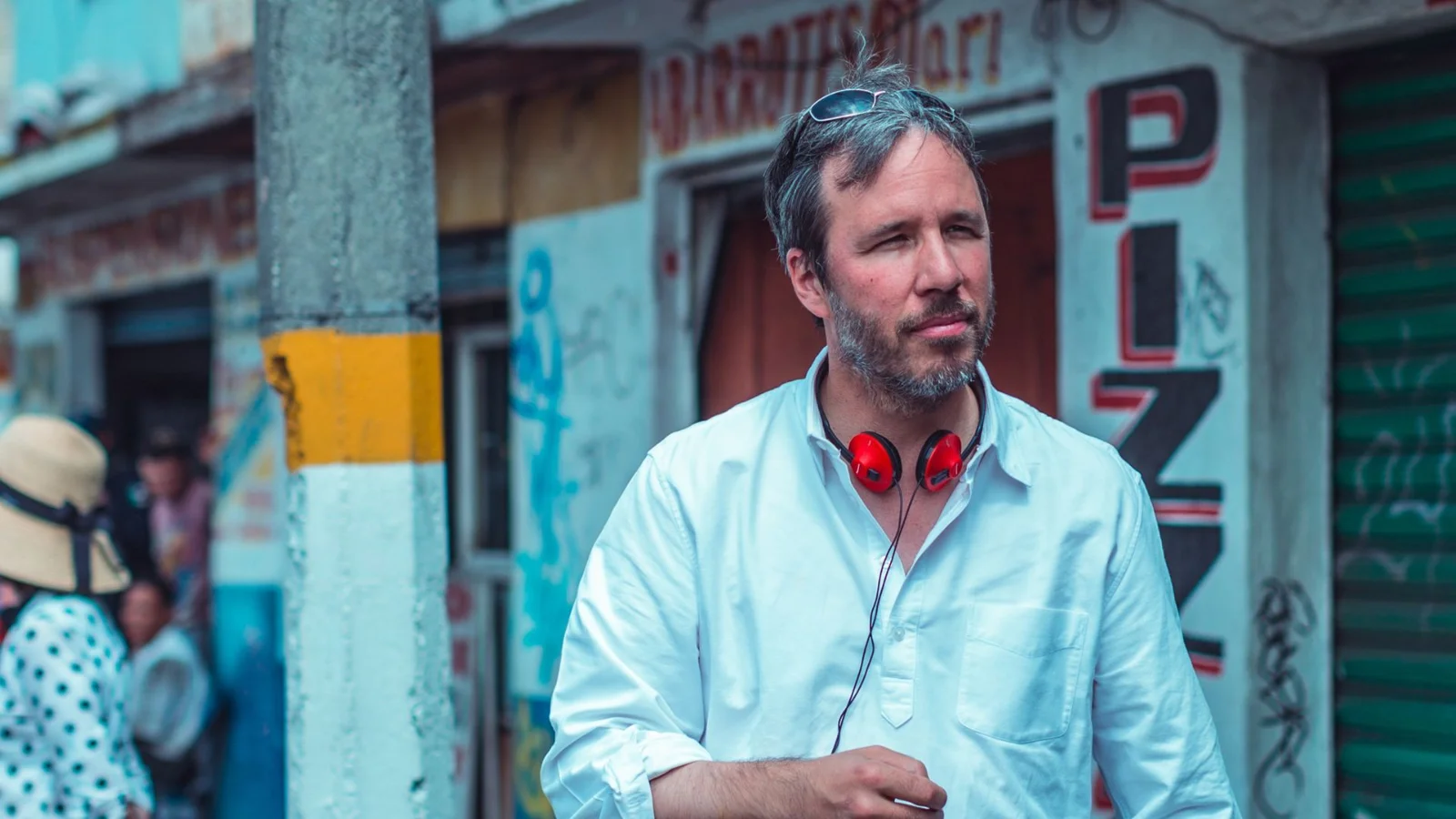
Villeneuve has expressed that Dune: Part Three will likely be his final entry in this series, framing the movie as the culmination of his adaptation efforts. The decision to fast forward the ages of Paul’s children aligns with their roles in Children of Dune, where their development plays a pivotal part. As a result, the film could shift tone and story halfway through, transitioning from the political aftermath explored in Dune Messiah to the complex family dynamics and broader conflicts in Children of Dune.
There is also a historical precedent for this combined approach. The earlier TV miniseries Frank Herbert’s Children of Dune adapted both novels together in one production, an unconventional method that was ultimately effective. Villeneuve’s Dune: Part Three seems to be echoing this strategy, aiming to conclude the trilogy by weaving both narratives into a single, cohesive film.
Potential Impact of the New Direction on the Trilogy’s Conclusion
While this approach represents a reversal from Villeneuve’s earlier strategy—shifting from two movies for one book to one movie for two books—the director’s successful handling of the material so far suggests that this could work well for the story’s final chapter. Following the intense and dramatic events at the end of Dune: Part Two, Part Three is positioned to explore the consequences of Paul Atreides’ rise to Emperor and the religious war he initiated.
The integration of Dune Messiah and Children of Dune could provide a richer narrative journey, balancing political intrigue, personal struggle, and the evolving saga of the Atreides lineage. This strategy may also allow the film to examine deeper themes involving Paul’s rule, his children’s destinies, and the broader fate of Arrakis.
Principal Cast and Their Roles in the Upcoming Film
The film will feature Timothée Chalamet reprising his role as Paul Atreides, the central figure whose empire and legacy remain at the story‘s core. Florence Pugh is set to play Princess Irulan, a key character linked closely to Paul and the political landscape. Anya Taylor-Joy joins the cast as Alia Atreides, Paul’s sister, whose complex role may tie into the new storyline. Zendaya will return as Chani, a vital presence in Paul’s life and the rebellion.
This cast selection underscores the film’s intention to focus on family dynamics and political alliances, while exploring the transformation of the characters as the saga continues.
Our Reader’s Queries
Q. What is Denis Villeneuve’s religion?
A. Villeneuve explains that growing up in Quebec influenced the making of Dune. He was an observant Catholic but drifted from the church, similar to many French-speaking Quebecers after the Quiet Revolution in the 1960s.
Q. Is Denis Villeneuve a feminist?
A. Villeneuve credits his mother and grandmother’s feminist beliefs for inspiring him. This was likely strengthened by Montreal’s public film culture and institutions in the early 1990s.
