
Fifteen years ago, the Samuel L Jackson Unthinkable Thriller entered the realm of interrogation films with a stark and provocative story about the limits of human endurance and ethical boundaries. Set in the United States, the film centers on Yusuf, portrayed by Michael Sheen, who claims to have planted nuclear bombs in three cities and demands adherence to his conditions in exchange for defusing them. The unfolding ordeal takes place mostly within the confines of an interrogation room, creating an intense atmosphere where the ticking clock and stakes force ruthless decisions under a moral microscope.
Directed by Gregor Jordan, Unthinkable delves deeply into the psychological torment and violent tactics undertaken by interrogators to prevent catastrophe, raising urgent questions about the use of torture when millions of lives hang in the balance. With Samuel L. Jackson as the relentless interrogator known only as “H,” and Carrie-Anne Moss as FBI agent Helen Brody, the film confronts viewers with harsh realities and unsettling ethical dilemmas.
The Intense Interrogation and Its Psychological Toll
The story opens with Yusuf’s startling confession, immediately thrusting the audience into a frantic race against time as security forces scramble to uncover the bombs’ locations. Yusuf’s apparent religious extremism and his calculated gamble in surrendering to authorities start a grim cat-and-mouse dynamic between him and H, whose brutal methods blend physical pain with psychological warfare.
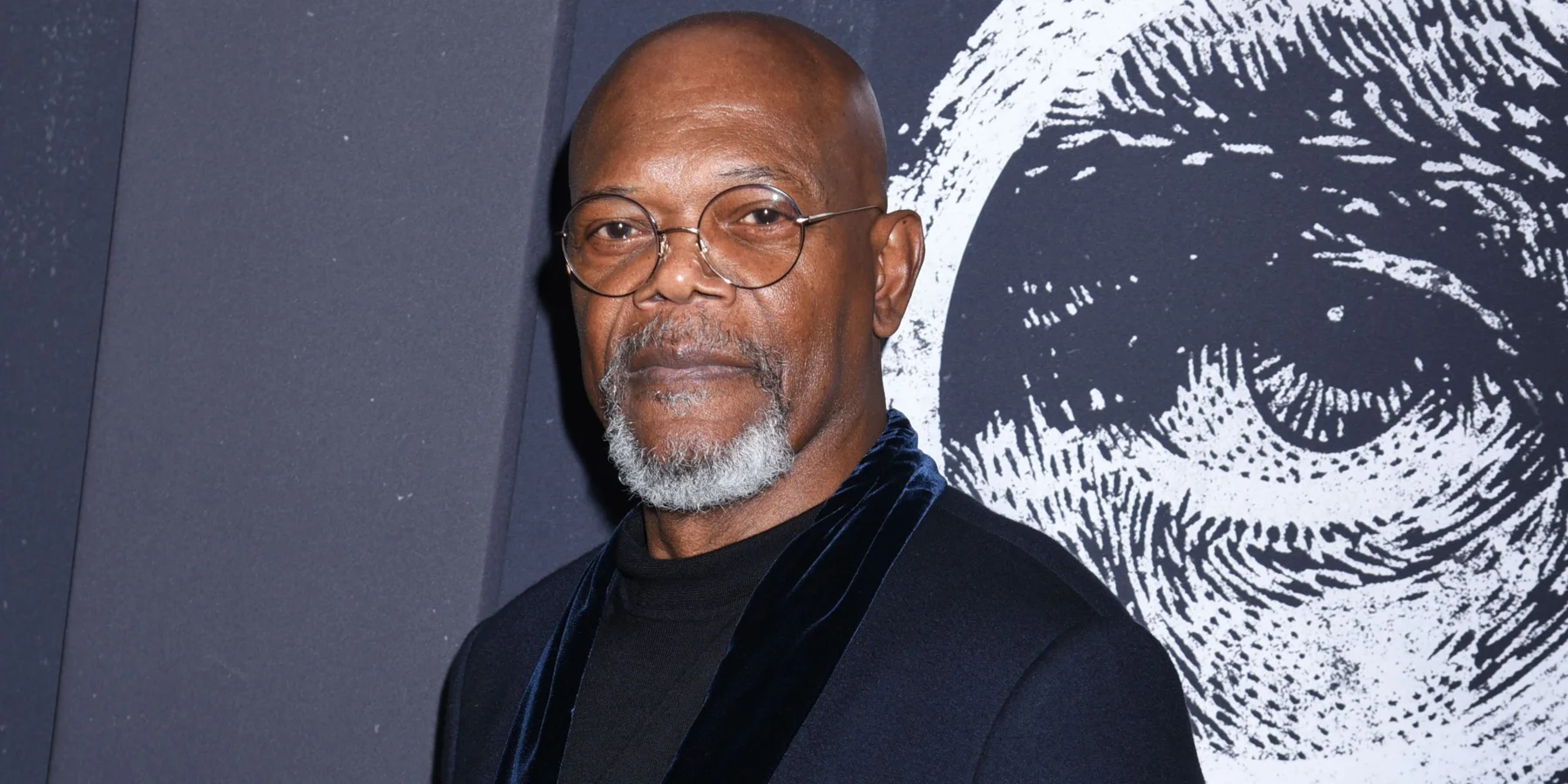
Samuel L. Jackson’s character imposes severe anguish, pushing Yusuf to his limits. H’s chilling declaration,
“He has to believe I have no limits.”
—Samuel L. Jackson, Actor, reveals the interrogator’s underlying philosophy that extreme measures are justified if the threat is existential. In one particularly harrowing scene, H forces Yusuf’s wife into the interrogation room, compelling her to psychologically torment her husband before brutally killing her in front of him, with their children waiting just outside. This sequence punctuates the film’s commitment to confronting its audience with brutal, unfiltered reality. Meanwhile, Carrie-Anne Moss’ Helen Brody attempts to maintain a legal framework but finds herself continually challenged by the escalating severity of H’s tactics.
The decision to film most of the movie in a confined setting intensifies the claustrophobic feel, amplifying the emotional and psychological pressure on both characters and viewers alike. It is a deliberate choice that heightens the haunting tone, reinforcing how confinement and desperation intermingle in acts of torture and interrogation.
Stellar Performances Elevate a Controversial Story
While Unthinkable faces criticism for some of its plot points, including the unclear rationale behind Yusuf’s strategies and the somewhat one-dimensional portrayal of FBI Agent Brody, the performances of Michael Sheen and Samuel L. Jackson provide a compelling anchor. Sheen’s Yusuf is rarely a passive subject despite enduring relentless torture; his demands and defiance reveal a complex character who frustrates even the formidable H.
Jackson’s portrayal of H is a powerful expression of calculated cruelty, intelligence, and pragmatism. His interactions with Brody, who embodies the moral conscience in contrast to his ruthlessness, add vital tension, especially as revelations about H’s own troubled past emerge—he is imprisoned and under surveillance himself, channeling his frustration with life into brutal acts. Their exchanges provoke viewers to wrestle with uncomfortable questions about justice, ethics, and desperation.
The psychological mind games portrayed throughout the film compel the audience to confront the darkest aspects of human nature and the heavy costs of battling terror under extreme conditions. Despite its flaws, Unthinkable remains one of the most provocative and overlooked thrillers of its decade.
Why Unthinkable Continues to Resonate
Released quietly with modest impact, Unthinkable’s initial reception might have been muted due to its bleak tone and brutal content that challenges viewers rather than providing easy entertainment. Now, fifteen years later, revisiting the film offers an opportunity to explore its intense portrayal of ethical conflict in counterterrorism and interrogation. The film forces audiences to ask difficult questions, such as
“How far is too far when millions of lives are at stake?”
—Michael Sheen, Actor, encapsulating the core tension that drives the narrative.
Within a genre often framed by clear lines between good and evil, Unthinkable’s refusal to simplify the moral landscape stands out. Its performances, tight setting, and confrontational direction make it a significant work for those interested in the psychological dimensions of thriller films. As global concerns over security and human rights remain ever relevant, Unthinkable’s unresolved questions about power, morality, and desperation remain troublingly timely.
Our Reader’s Queries
Q. How did Samuel L. Jackson overcome addiction?
A. Samuel L. Jackson made a big move toward beating addiction by getting professional help and joining a rehab program. The tools, resources, and support he found were key to his recovery success.
Q. Is Samuel L. Jackson a billionaire?
A. Samuel L. Jackson has a net worth of $250 million, says Celebrity Net Worth. His income mainly comes from playing Nick Fury, promoting Capital One, and owning properties on both coasts.
Q. What do Samuel L. Jackson’s friends call him?
A. Jackson: A few friends refer to me as Big Jack. In “Pulp Fiction,” Jackson displays a casual attitude.
Q. What challenges did Samuel L. Jackson face?
A. Struggling with Addiction
Jackson, like many people, ended up struggling with substance abuse and the difficulties it brings. Although he was talented and successful early in acting, his addiction started to dominate his life and put his career at risk.
