
James Gunn has confirmed that Jor-El’s message to his son in the upcoming Superman film is genuine and will not be altered or retconned in future stories. This revelation, central to the film’s plot, presents a significant departure from traditional Superman narratives and aligns with Gunn’s creative direction for the character and his backstory.
The new Superman movie is set to challenge long-established ideas about the Kryptonian parents and their intentions, introducing a darker, more complex portrayal that impacts Superman’s identity and mission.
How the New Portrayal Differs from Traditional Superman Lore
Historically, Superman’s birth parents, Jor-El and Lara Lor-Van, have been depicted as heroic Kryptonian scientists who, upon discovering the impending doom of their planet, send their infant son to Earth to save him. This narrative has been a consistent element across comic books, films, and television adaptations, including the original Action Comics Vol. 1 #1, the New 52 reboot, and Zack Snyder’s Man of Steel.
However, Gunn’s film reveals that Jor-El and Lara have a markedly different agenda, expecting their son Kal-El not to simply survive but to dominate Earth’s inhabitants. In this vision, Kal-El is told to lord over humanity and perpetuate Krypton’s legacy through conquest and proliferation:
Jor-El states,
“The people there are simple and profoundly confused; weak of mind, spirit, and body. Lord over the planet as the Last Son of Krypton.”
Lara Lor-Van adds,
“Dispatch of anyone unable or unwilling to serve you, Kal-El. Take as many wives as you can so your genes and Krypton’s might and legacy will live on in this new frontier.”
Finally, Jor-El commands,
“Do us proud, our beloved son. Rule without mercy.”
This narrative twist significantly contrasts with other known versions, except for rare exceptions such as the Flashpoint comics continuity and the 2018 Syfy series Krypton, where a similar theme of Kryptonian conquest exists.
James Gunn Explains His Creative Inspiration and Commitment
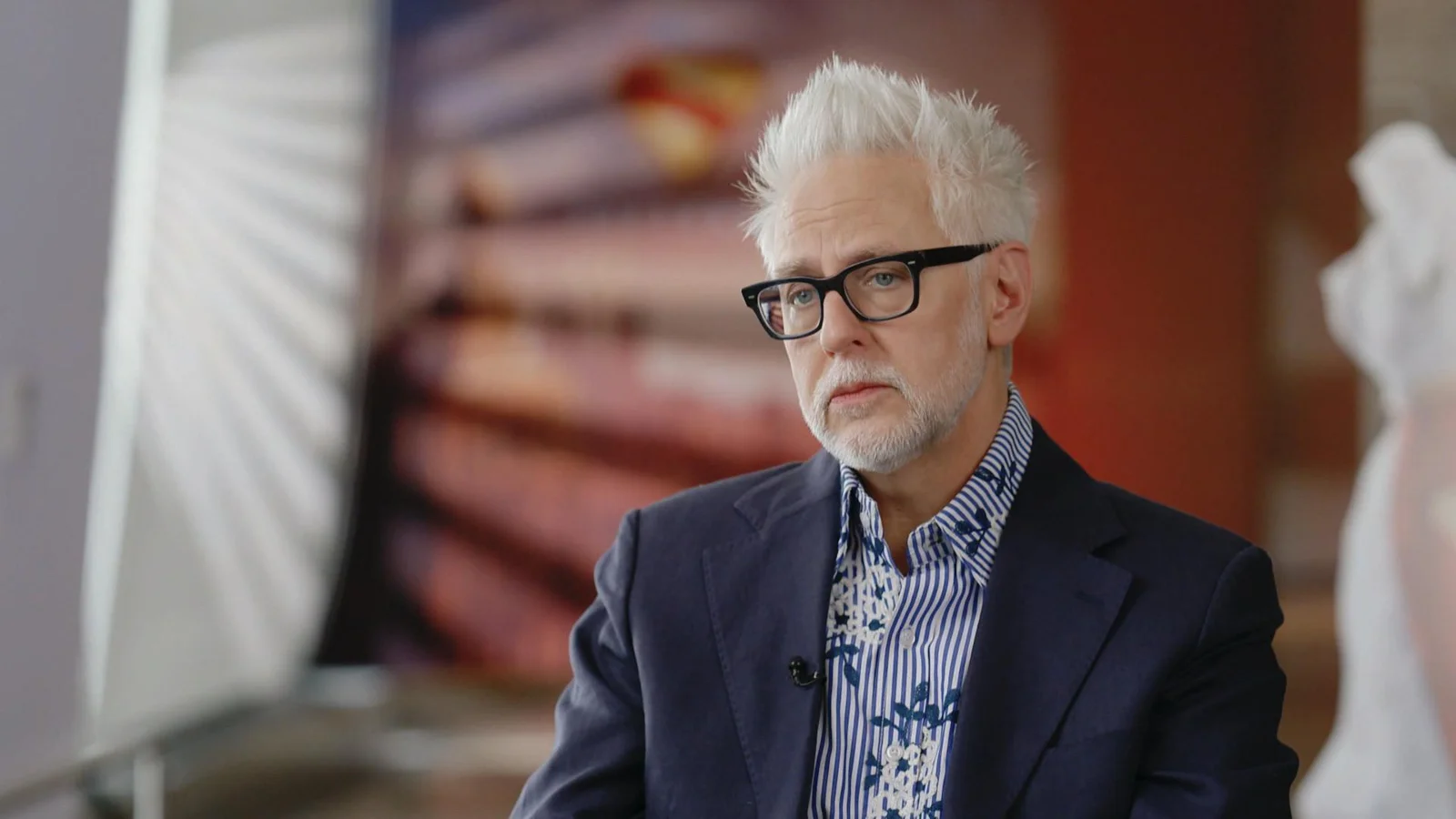
In an interview with Rolling Stone’s Brian Hiatt, James Gunn acknowledged inspirations from earlier Superman comics that featured more morally ambiguous Kryptonians. Gunn cited works like John Byrne’s Man of Steel Vol. 1 and Mark Waid’s Superman: Birthright Vol. 1 as creative influences for this interpretation. He said,
“Listen, I read [Man of Steel Vol. 1] when it came out. I definitely had that in my head. And isn’t it also a little bit in Birthright, too? So I did have the comic background excuse to do it.”
When asked whether the controversial message might be retconned or revealed as a deception down the line, Gunn dismissed these hopes emphatically with, They’re sh-t out of luck!
Hiatt then noted,
“The problem is, fundamentally, that would undo the entire emotional arc of the movie, right?”
Gunn confirmed, That’s right.
How the Message Shapes Superman’s Character Development
Gunn elaborated that this grim message is central to the film’s emotional journey. Superman initially believes his destiny is defined by Kryptonian expectations, but through earthly love and support, he learns to build his own moral compass. Gunn explained,
“That’s the whole point of the movie, that Superman thinks he is doing something because it is his destiny and his Kryptonian parents have set him out to do this thing, and along the way he discovers through the love of the people who are actually his parents that he’s doing these things not because of someone else, but because of himself.”
He added,
“It’s like taking accountability in the deepest way possible that his morality is not based on some figure outside of himself, but on his own choices. I think it’s really beautiful in that way, and I’m not gonna change that.”
Understanding Jor-El and Lara’s Perspective in the New DC Universe
Gunn defended the motivations of Jor-El and Lara, portraying them not as outright villains, but as figures shaped by their worldview. Their actions stem from a belief in Kryptonian superiority and a desire to safeguard their species’ future, even at the expense of humanity. Gunn remarked,
“And I don’t really even think of Jor-El and Lara as being totally evil,”
before adding,
“They just have this mindset that humans are less than what they are. We’re sea turtles to them. They’re just trying to keep the Kryptonian genes alive.”
This depiction challenges the traditional heroic perception of Kal-El’s parents by placing them on morally ambiguous ground, introducing tension to Superman’s heritage.
What This Means for the Superman Franchise Going Forward
By refusing to retcon Jor-El and Lara’s harsh message, James Gunn is redefining Superman’s origin for the new DC Universe in a way that emphasizes personal choice and accountability over inherited destiny. This approach could open pathways for deeper explorations of identity, legacy, and moral complexity within future films or stories.
Fans and critics alike may find this portrayal controversial, but it clearly aligns with Gunn’s vision of a layered Superman character who must reconcile his Kryptonian heritage with his human upbringing and ethics. The firm decision to keep this message intact signals a bold creative direction likely to influence upcoming projects in the DC film slate.
Our Reader’s Queries
Q. What is James Gunn’s religion?
A. Gunn grew up in a Catholic household and has discussed the ongoing importance of prayer in his life. However, he also describes himself as “somewhat against religion.”
Q. Is James Gunn no longer with Marvel?
A. After being removed from the Guardians of the Galaxy series in 2018, the director feared he would not work again. Fortunately, in 2022, James Gunn and Peter Safran were chosen to lead DC Studios, giving him the chance to work on another superhero project. Toby Emmerich from Warner Bros. approached Gunn during that time.
Q. What religion is James Gunn?
A. In Gunn’s 2025 Superman version, the updated CGI Krypto the Superdog was inspired by Ozu. Gunn grew up in a Catholic household and still finds prayer important in his life, though he describes himself as “somewhat anti-religion.”
