
Kevin Feige has disclosed that Marvel’s decision to abandon the Kang Dynasty storyline preceded the public controversy surrounding Jonathan Majors. In an extensive interview, Feige acknowledged that concerns about the Kang character’s impact led to early plans to alter Marvel’s trajectory before Majors’ arrest emerged. This revelation adds a new dimension to the ongoing Jonathan Majors Kang controversy in Marvel’s cinematic universe.
Underperformance and Production Challenges at Marvel
Feige also addressed Marvel’s recent difficulties, attributing underperforming films to extensive pre-production efforts and delays. He mentioned issues such as Blade’s stagnation due to costume design and referenced James Gunn’s approach of only starting movies with completed scripts. Feige described his own creative process as one of continual enhancement, often adding extra elements late into production, a practice he calls “plus-ing.” However, the focus of his comments gravitated toward the Kang actor’s role within the franchise.
Early Doubts About Kang as the New Villain
Majors, who played Kang in both Loki and Ant-Man and the Wasp: Quantumania, was initially set to become Marvel’s next Thanos-level antagonist. But Feige refrained from naming Majors directly, instead calling him “the actor” or “Kang actor.” Following Majors’ arrest for domestic violence roughly a month after Quantumania’s release, his future with Marvel came under intense scrutiny. However, Feige insists the studio had already begun reevaluating Kang’s viability as a centerpiece villain beforehand.
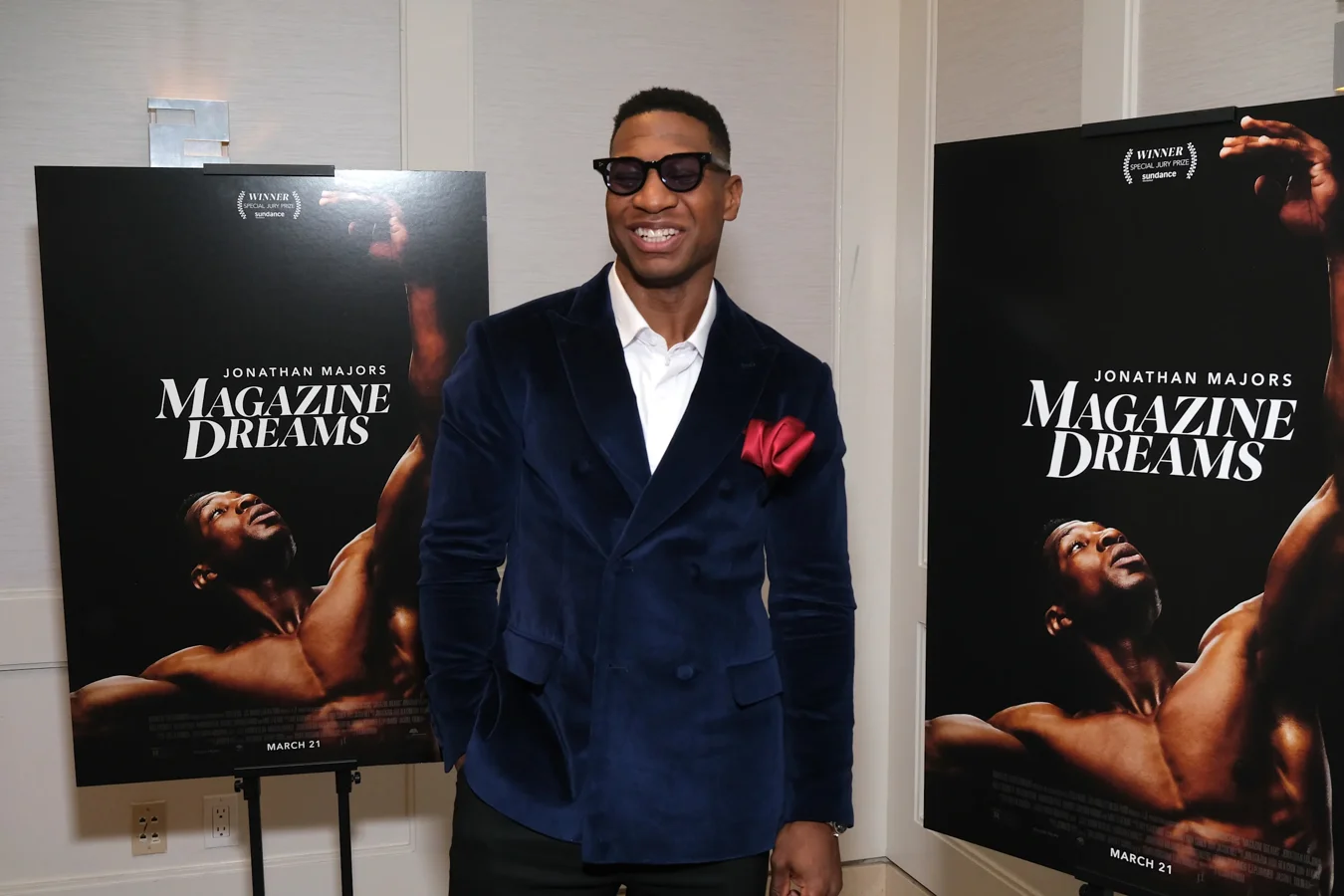
“We had started even before what had happened to the actor happened, we had started to realize that Kang wasn’t big enough, wasn’t Thanos, and that there was only one character that could be that, because he was that in the comics for decades and decades,”
Feige said.
“Because of the Fox acquisition, we finally had it, and it was Doctor Doom. So we had started talking about Doctor Doom even before we officially pivoted from Kang. And in fact, I had started talking with Robert [Downey Jr.] about this audacious idea before Ant-Man 3 even came out. It was a long plan that we had to take one of our greatest characters and utilize one of our greatest actors.”
Transitioning from Kang to Doctor Doom
The acquisition of Fox’s assets provided Marvel with access to Doctor Doom, a character Feige viewed as better suited to fill the role of the franchise’s overarching villain. Discussions with Robert Downey Jr. about returning to portray Doom began prior to Ant-Man 3’s release. This strategic pivot transformed Avengers: The Kang Dynasty into Avengers: Doomsday, sidelining Majors’ Kang alongside other sidelined actors such as Terrence Howard.
Financial Incentives and Studio Decision-Making
Robert Downey Jr. reportedly accepted an $80 million deal to return to the Marvel Cinematic Universe, cementing the studio’s commitment to the new direction. Meanwhile, Jonathan Majors’ attempts to salvage his role and career after the legal issues have not altered Marvel’s course. The studio’s early intent to distance itself from the Kang narrative suggests that the internal decision was driven by creative considerations enhanced by external complications.
Significance of Marvel’s Creative Refocus
This revelation underscores Marvel’s ongoing efforts to stabilize its future after experiencing several setbacks, including casting controversies and film underperformance. By replacing Kang with Doctor Doom, Marvel aims to leverage a more iconic villain with a proven legacy, potentially restoring greater audience engagement. The shift also highlights the challenges studios face balancing talent issues with overarching story plans within a sprawling cinematic universe.
