
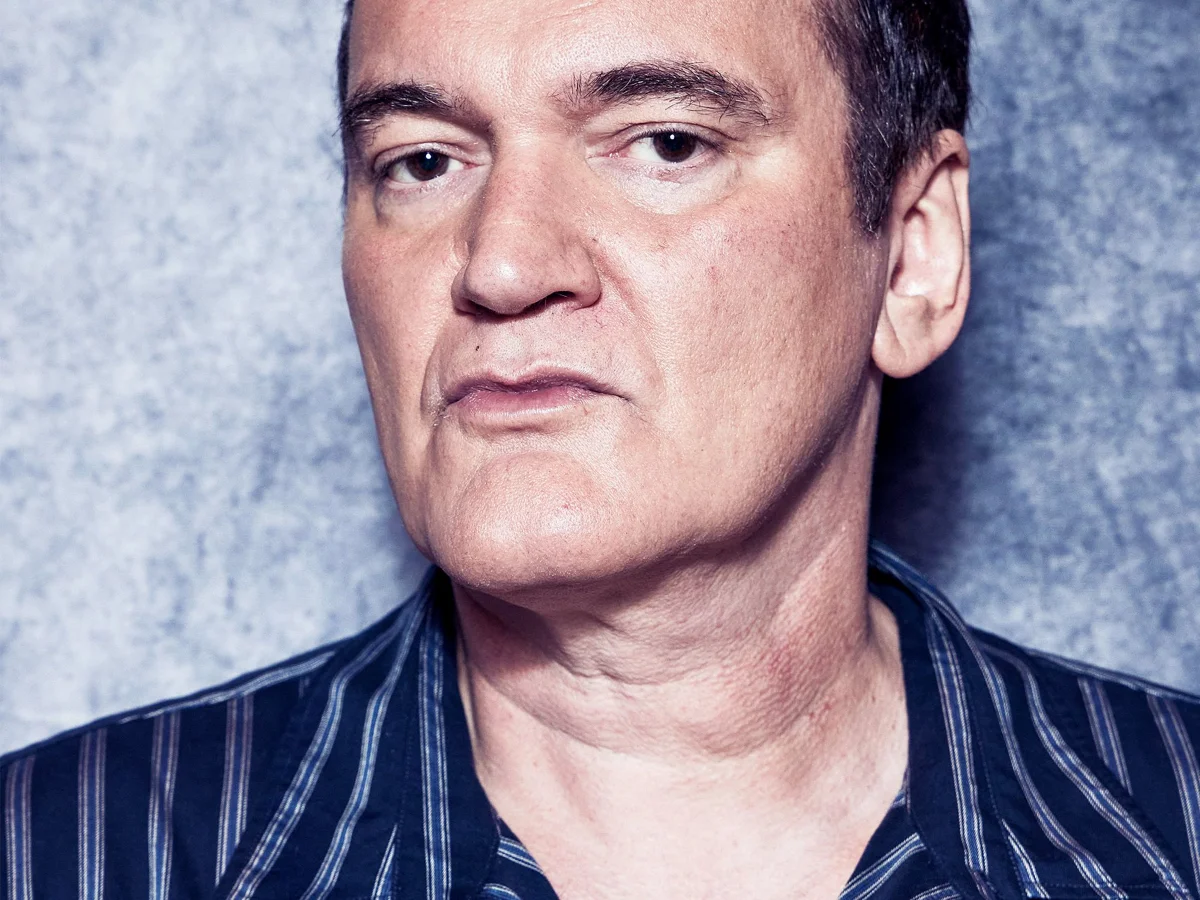
Quentin Tarantino’s well-known critique of Superman, delivered near the end of Kill Bill: Vol. 2, has received considerable attention for presenting a provocative view of the superhero’s dual identity. In this perspective, Bill, the film’s antagonist, claims that Superman is the true character, while Clark Kent serves merely as a disguise designed to make the alien appear
weak, unsure of himself, a coward.
Tarantino argues that
Clark Kent is Superman’s critique on the whole human race,
suggesting Kent embodies all the flaws of humanity. However, this interpretation does not fully align with the nuanced portrayal in James Gunn’s recent Superman film, which highlights the importance of Superman’s humanity as his genuine strength.
Contrasting Views: Why Clark Kent’s Flaws Are More Than Just a Facade
Tarantino’s idea struck a chord among both comic fans and film enthusiasts because it seems logical that Superman chooses to act clumsy and unimpressive to conceal his true power. Portraying himself as a bumbling reporter protects his secret by making him appear harmless. This outward weakness, which might reflect his adoptive parents’ views, gives the impression of a critique of human frailty. Yet, Gunn’s interpretation sheds new light on these traits, suggesting they originate from Superman’s sincere internal conflicts.
Near the climax of James Gunn’s film, David Corenswet’s Superman delivers a key reflection to Lex Luthor, emphasizing his vulnerability and humanity:
I love, I get scared, but that is being human,
adding, and that’s my greatest strength. This line is more than a feel-good moment; it reveals that Clark Kent’s apparent weaknesses mirror the real fears and emotions Kal-El experiences as he navigates his responsibilities on Earth.
How Fear Shapes Superman’s Human Side and His Clark Kent Persona
Tarantino’s critique rests on the notion that Clark Kent’s weakness is merely a pretense, an act to hide Superman’s true courage and confidence. In reality, however, these are not mere disguises but genuine reflections of Superman’s concerns, including his fear of failing those he protects. This fear drives him to embody Clark’s vulnerabilities authentically, setting him apart not only from villains but also from other heroes like Batman, who is soon to make his entrance into the DC Universe.
Though not explicitly stated in the film, the Clark Kent identity also allows Superman to experience firsthand human anxieties and responses to danger. This engagement with humanity is crucial—it enables him to empathize deeply with those he defends, reinforcing the idea that his strength comes from understanding human fragility rather than dismissing it.
The Significance of Clark Kent in Superman’s Role as a Protector
Superman’s appeal has often hinged on being a “reverse power fantasy,” where a godlike being remains uncorrupted and dedicated to doing good. The question arises: how can Superman wield such profound power effectively if he cannot truly relate to humans? By living as Clark Kent—wandering among earthlings, adopting their fears and uncertainties—Superman gains insight into the people’s lives and fears. This connection is essential in shaping a hero who does not simply tower over humanity but walks alongside it.
Rethinking Tarantino’s Lasting Influence on Superman’s Cultural Image
While Kill Bill: Vol. 2 remains an iconic work and Quentin Tarantino continues to be celebrated as a master filmmaker, his lasting critique of Superman as a character has influenced cultural discussions for over twenty years. With James Gunn’s compassionate and layered portrayal gaining prominence, this traditional view deserves reconsideration. Rather than dismissing Clark Kent’s weaknesses as mere disguise, Gunn’s Superman embraces them as a vital part of his strength.
The evolution in Superman’s depiction signals a potential shift in how audiences understand this legendary hero, emphasizing empathy and vulnerability alongside power. As new films expand the DC Universe, the ongoing development of Superman’s character will likely continue exploring this balance, redefining what it means to be the Man of Steel in modern times.
Our Reader’s Queries
Q. Is Quentin Tarantino neurodivergent?
A. Well-known filmmakers like Steve McQueen, David Lean, Charlie Chaplin, and Stan Brakhage are recognized as neurodivergent.
Other famous directors such as Stanley Kubrick, Steven Spielberg, Quentin Tarantino, Martin Scorsese, and Alejandro G. Iñárritu are also identified this way.
These creators are among the most famous in the world of cinema.
