
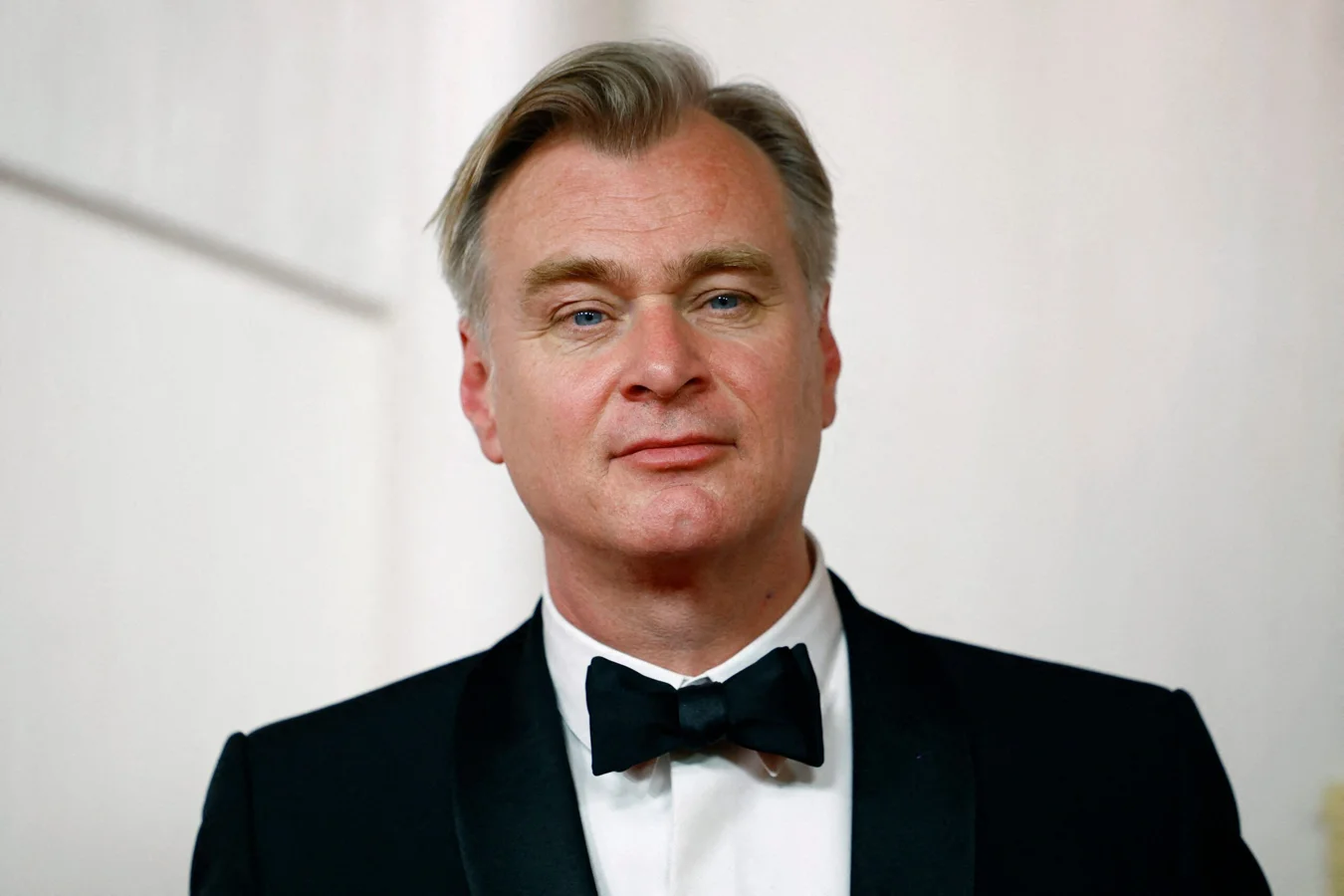
Christopher Nolan, fresh off the monumental success of his 2023 biopic Oppenheimer, which earned seven Academy Awards including Best Picture, is now directing The Odyssey, a highly anticipated adaptation of the ancient Greek epic. The film is set to premiere in IMAX theaters on July 17, 2026, and has sparked early excitement as some advance screenings sold out within minutes. Nolan’s project features a star-studded cast led by Matt Damon as Odysseus and Jon Bernthal in a prominent supporting role, reimagining the enduring tale of the Trojan War’s aftermath.
The Odyssey unfolds roughly 3,200 years ago, following the legendary conflicts of the Trojan War. Although Nolan is known for blending grounded realism with complex narratives, fans were curious whether his version would stay true to the original myth with its fantastical elements or adapt the story to a more contemporary setting. The teaser trailer, released exclusively in theaters on July 1st, hints at a period-accurate approach, as suggested by Matt Damon’s image clad in Spartan armor. Yet, the film maintains an air of mystery, focusing on Telemachus, played by Tom Holland, seeking answers about his father Odysseus through Bernthal’s character, who is widely believed to be King Menelaus of Sparta based on contextual clues.
While Bernthal’s age makes Menelaus the likely role, there is some speculation he might portray the wise Nestor—both figures have similar narrative functions in Homer’s epic. This casting choice and the narrative hints prime audiences for a faithful yet nuanced retelling crafted by Nolan’s meticulous direction, reinforcing the gravitas associated with his filmmaking.
Audience Reactions to Bernthal’s American Accent in the Teaser
Despite the visual fidelity to the ancient setting, many viewers noticed an unexpected element in the teaser: Jon Bernthal’s distinctly modern American accent. His voice, familiar from roles such as his guest appearance on the TV series The Bear, contrasts sharply with the period visuals, creating a sense of dissonance for some fans expecting a traditionally classical delivery. This American inflection was not limited to Bernthal, as Tom Holland and Robert Pattinson, both British actors, also spoke with accents that deviated from the expected formal or Received Pronunciation English typically associated with historical epics.
The prominence of Bernthal’s natural dialect drew significant conversation and critique online, with viewers questioning how this creative decision fits within the film’s overall tone and authenticity. Yet, questions surrounding the use of contemporary speech styles in an ancient epic highlight evolving audience expectations and the challenges of presenting historical narratives in modern cinema.
Explaining the Choice of American Accents in a Historical Epic
There is no strict convention dictating how speech should be handled in period films, and the decision often hinges on the director’s artistic vision and practical concerns. While some productions unify their casts under a single, formal accent such as Received Pronunciation to evoke a sense of historical authenticity, others permit actors to use their natural accents to foster richer, more genuine performances, especially when dealing with a culturally diverse ensemble.
Nolan’s Odyssey features a multinational cast, yet the dominant speech pattern resonates with an East Coast American accent from the late 20th century, a choice that is both unconventional and deliberate. This could reflect a strategic effort to foreground the story’s relevance to contemporary audiences by using accessible language rather than an artificial, archaic dialect that might alienate viewers.
Jon Bernthal, though not typically known for roles requiring accent work, plays a key supporting role rather than the protagonist. The lead, Matt Damon, has a history of mixed reviews regarding his use of accents in films like The Great Wall, Invictus, and The Last Duel. Nolan’s continued collaboration with Damon suggests confidence in his performance, potentially favoring the actor’s natural voice to enhance authenticity and comfort on set.
This choice may also shape the performances of the broader cast, who might be aligning their speech to complement Damon’s or Bernthal’s vocal delivery. Alternatively, Nolan could be aiming for a deliberate stylistic juxtaposition—using a modern vernacular to breathe new life into a story firmly rooted in ancient times. Since the exact sound of Bronze Age Greek is unknown and cannot be authentically replicated, the director likely prioritizes emotional resonance and thematic immediacy over historical linguistic accuracy.
Rather than adhering to the “stiff upper lip” trope commonly found in period dramas intended to signify historical gravity, Nolan could be embracing an approach that makes these archetypal characters feel accessible and urgent. By employing conversational, contemporary speech patterns, he may invite audiences to connect with the myth’s timeless themes in a more intimate and immediate way.
What This Indicates About Nolan’s Approach and Future Reception
Though viewers unfamiliar with Nolan’s directorial style might find Bernthal’s familiar American accent disconcerting when encountered without context, it likely aligns with the filmmaker’s intention to defy cinematic norms. Given Nolan’s track record of meticulous craftsmanship—from Oppenheimer to Tenet—the decision to feature naturalistic dialogue in a fantastical, ancient setting doubtlessly serves a broader creative purpose.
As audiences prepare to experience The Odyssey in theaters, they can expect a carefully orchestrated blend of epic storytelling and grounded performances. Nolan’s reinterpretation promises to challenge conventional expectations, potentially setting a new standard for how mythological tales are told in modern cinema. The release will reveal whether his bold linguistic choices enhance the narrative’s power or polarize viewers further.
