
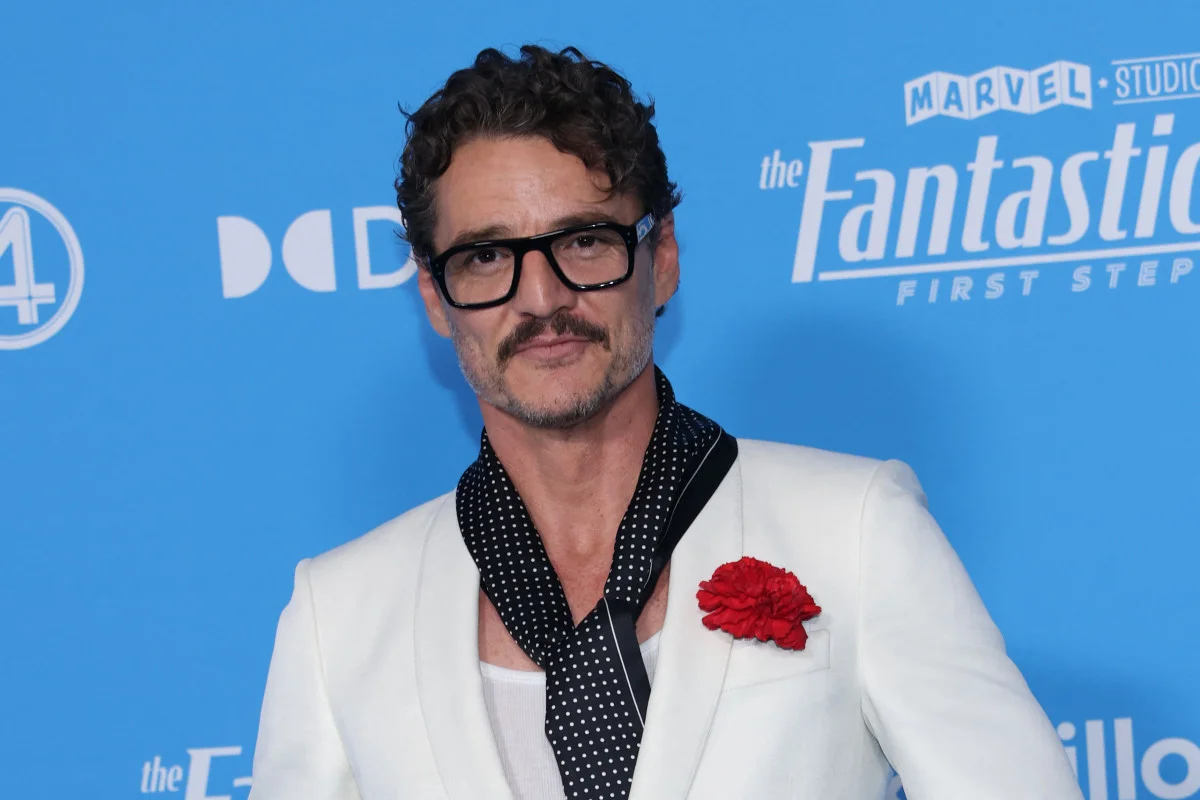
Pedro Pascal has become a trusted figure in Hollywood for portraying complex father characters, repeatedly confronting impossible moral choices known as trolley problem dilemmas. These difficult decisions have appeared in his work ranging from The Last of Us to Fantastic Four: First Steps, where his characters must choose between protecting their children or saving countless others. Pascal’s roles bring the philosophical trolley problem to life with emotional intensity and large-scale consequences.
The Trolley Problem Scenario in The Last of Us Season 1
In the Season 1 finale of The Last of Us, Joel (played by Pedro Pascal) faces a devastating choice. The Fireflies have discovered a potential cure for the Cordyceps fungus threatening humanity, but developing it requires sacrificing Ellie (Bella Ramsey), who may hold the key in her brain. Joel must decide between allowing Ellie to die so the world can be saved or protecting her at the expense of a possible cure for millions. This decision embodies the trolley problem, where one is forced to choose between saving many by sacrificing one cherished individual.
The Dilemma Encountered by Reed Richards in Fantastic Four: First Steps
Pedro Pascal’s portrayal of Reed Richards in Fantastic Four: First Steps presents a similar ethical conflict but with unique stakes. Reed learns that the cosmic entity Galactus (Ralph Ineson) will spare Earth if Reed and Sue Storm (Vanessa Kirby) surrender their infant son, Franklin. Here, the dilemma is whether to sacrifice the child who means everything to them or allow the entire planet to be destroyed. Unlike Joel, Reed must navigate this challenge with access to extraordinary powers and resources, adding layers to the traditional trolley problem’s moral complexity.
Exploring the Classic Ethical Thought Experiment Underlying the Stories
The dilemmas faced by Pascal’s characters are modern reimaginings of the philosophical trolley problem, first introduced by Philippa Foot and later named by Judith Jarvis Thomson. The classic experiment involves a runaway trolley heading to kill five people. A person can divert the trolley to another track where one person would die instead. The question is whether one should take action that kills one to save many, or refrain and let the five perish. These shows elevate the issue by magnifying the stakes and personal connections, placing beloved children opposite the survival of many.
Emotional Stakes Behind Joel’s Decision in The Last of Us
Joel’s emotional attachment to Ellie, who becomes like a daughter after his own daughter Sarah (Nico Parker) dies early in the series, drives his decision in The Last of Us. He prioritizes Ellie’s life without hesitation, despite the catastrophic consequences for humanity. This choice reflects his deep protective instinct amidst a bleak post-apocalyptic world. The complex reactions to his decision from fans and critics highlight the nuances in judging such moral quandaries, especially when love and survival collide.
“The truth of the matter is, it all boils down to him doing what he did throughout Season 1: fight to protect the person he cares most about in the world. There’s not even a question of considering the millions of people who lay on the other trolley track, because there’s no world in which Joel doesn’t choose Ellie.” —Unnamed Source
Reed Richards’ Analytical and Hopeful Approach to the Problem
In Fantastic Four: First Steps, Reed Richards tackles the trolley problem using logic and scientific innovation. While initially acknowledging the grim ethical calculation of sacrificing Franklin, Reed refuses to accept it. His solution relies on teleportation technology, allowing him to move Earth away from Galactus’s threat rather than sacrificing the child. This approach demonstrates how superpowers and advanced technology change the parameters of classic moral conflicts, offering routes where no one has to be sacrificed.
“Reed is adamant that he and Sue won’t give Franklin to Galactus, but that doesn’t mean he hasn’t thought about it. He even declares sacrificing Franklin to be ethical and mathematical, which understandably upsets Sue.” —Unnamed Source
The Role of Superpowers and Technology in Resolving Ethical Conflicts
The presence of superhuman abilities and gadgets profoundly alters how Reed and the Fantastic Four address their predicament. They use teleportation to remove Earth from Galactus’s destructive path, a solution outside the scope of the original trolley problem. If this method fails, they consider redirecting Galactus itself via a teleporter in Times Square. This lateral thinking illustrates a key difference from Joel’s situation: the ability to avoid moral trade-offs through innovation and teamwork, embodying the film’s theme of heroic optimism.
Contrasting Worldviews and Resources Between Pascal’s Characters
Joel’s stark, grim world offers no such technological escape, forcing him to make raw, personal choices without hope for a perfect outcome. Reed’s circumstances permit hope and ingenuity, emphasizing collective protection and salvation for all. The two portrayals demonstrate how context, resources, and character values shape responses to identical ethical dilemmas. Fans looking at these roles will note how Pedro Pascal brings depth and nuance to both, despite their vastly different resolutions to trolley problem challenges.
Implications for Audience and Future Story Development
Pedro Pascal’s characters personify the agonizing decisions parents may face when love and morality clash on a massive scale. Audiences watching these stories are invited to wrestle with these dilemmas alongside the characters, understanding the consequences and motivations behind such actions. The ongoing impact includes continued debate over Joel’s choice and anticipation of how these themes will evolve in The Last of Us Season 2, as well as interest in the further development of Fantastic Four’s optimistic narrative.
Current Availability of The Last of Us and Fantastic Four: First Steps
Fans can watch The Last of Us streaming now on HBO Max and catch Fantastic Four: First Steps in theaters, experiencing firsthand how Pedro Pascal embodies the trolley problem’s ethical tensions through his compelling roles.
Our Reader’s Queries
Q. Can Pedro Pascal have kids?
A. He is single, without children, and does not intend to have kids. Yet, he often accepts roles where he acts as a father figure. Fans have embraced this and created an online persona for him. Pascal knows about this and enjoys participating in it.
Q. Does Pedro Pascal support LGBTQ?
A. Pedro Pascal has used Instagram to show his backing for LGBTQ+ young people.
Q. Why is Pedro Pascal a babygirl?
A. A “babygirl” now refers to a guy with a softer, more tender vibe. This description, often applied to Mescal and Pascal, implies they are appealing. The term also hints at a bit of innocence.
