
Quentin Tarantino’s ambition to create a Star Trek movie never came to fruition, but had it, the impact on the franchise‘s timeline could have been profound. During the mid-2000s, the Star Trek series was on its first extended pause since the 1979 debut of The Motion Picture, until J.J. Abrams revived the franchise with his 2009 reboot. Tarantino’s interest emerged amidst this new Kelvin timeline, which introduced alternate storylines separate from the original series.
The Kelvin timeline reboot follows the crew of the U.S.S. Enterprise in a parallel universe, crafting new adventures disconnected from the older Star Trek canon. This bold reinvention provided creative freedom, yet distanced the films from the original series’ established stories and characters—a challenge for creators hoping to honor classic elements. Tarantino, famous for directing cult classics like Pulp Fiction and Kill Bill, envisioned a Star Trek project that would blend his style with the franchise’s legacy, though it seems his ideas conflicted with the Kelvin universe’s structure.
Speculation persists that if Star Trek 4 ever proceeds, it could offer a chance to revisit elements beloved from the original crew, perhaps honoring William Shatner’s contributions after years of absence.
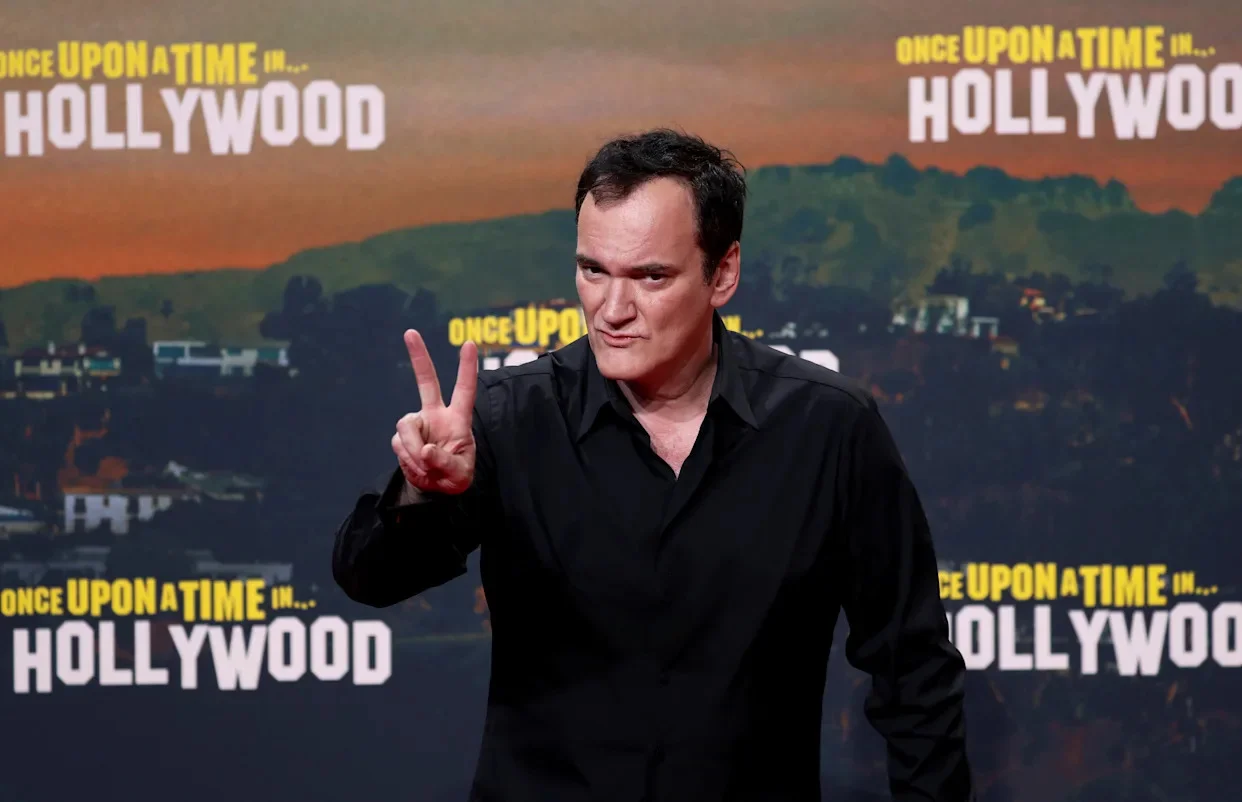
Why Tarantino’s Star Trek Concept Clashed with the Established Kelvin Timeline
Quentin Tarantino has openly shared his thoughts on his unrealized Star Trek film, revealing confusion and dissatisfaction with the Kelvin timeline’s premise. In interviews, he expressed skepticism toward the reboot’s approach, doubting the idea of starting fresh by “wiping the slate clean.”
“Something happened in the first movie that kind of wiped the slate clean? I don’t buy that. I don’t like it.”
—Quentin Tarantino, Filmmaker
Instead of discarding decades of stories, he wanted to maintain the entire original series’ continuity intact. Tarantino envisioned using the Kelvin cast but placing them firmly within the original Star Trek universe, an idea at odds with the reboot’s narrative framework. The 2009 film distinguishes the two universes, indicating that Chris Pine’s Captain Kirk and Zachary Quinto’s Spock, while familiar, are different versions of the characters in separate realities.
This fundamental clash made Tarantino’s concepts difficult to reconcile. His vision did not account for the differences established by the earlier Kelvin timeline movies, creating a disconnect that diminished the feasibility of his project as planned.
How Later Kelvin Films Closed the Door on Tarantino’s Star Trek Vision
Tarantino’s plan for a fourth Star Trek film in the Kelvin timeline was effectively undone by the release of Star Trek Into Darkness (2013) and Star Trek Beyond (2016). Both sequels advanced the story well into the crew’s five-year mission, replacing many classic elements from the original series and eliminating the possibility of preserving the entire TOS timeline as Tarantino had hoped.
Particularly challenging was the portrayal of Khan in Into Darkness, which altered key events from the original “Space Seed” episode, making Tarantino’s concept of a preserved TOS era untenable. Had Tarantino moved forward immediately after the 2009 reboot, before any sequels, he might have shaped how much of the traditional storyline survived in the new universe.
His idea seemed to involve telling a story that preceded the classic episodes, but the successive movies’ timeline placements complicated this greatly. Trying to navigate canon issues, especially with complex episodes like
“City on the Edge of Forever,”
which involves time travel and alternate realities, would have introduced further confusion about which universe or version of events were considered true.
What Tarantino’s R-Rated Star Trek Could Have Brought to the Franchise
One of the most intriguing aspects of Tarantino’s proposed Star Trek film was his intention to make it an R-rated movie, marking a sharp departure from the traditionally family-friendly tone of the series. This artistic choice could have offered a fresh, bold vision, potentially setting the tone for future entries in the Kelvin universe.
This shift, while risky, might have been preferable to some fans compared to the reception of Star Trek Into Darkness, which faced criticism for its dark tone and pacing. The sequel’s bleak atmosphere and the reimagined Khan were considered a stark departure from the optimistic spirit of the 2009 film. Tarantino’s involvement could have injected a unique edge and style into the franchise, providing an alternative direction not previously explored.
Why It’s Unlikely Tarantino’s Star Trek Will Be Made Now
Nearly a decade after Star Trek Beyond, the chances of Quentin Tarantino directing a Star Trek film have dwindled significantly. The planned fourth movie in the Kelvin timeline has stalled, influenced by the tragic death of Anton Yelchin and other production complications. These difficult circumstances have tempered enthusiasm for another installment featuring the current Enterprise crew.
Additionally, Tarantino has publicly indicated plans to limit the overall number of films he directs, making it improbable Star Trek will be among his final projects. Though the franchise continues to evolve with new media and upcoming releases, it appears certain that Tarantino’s distinct Star Trek vision will remain unrealized.
Our Reader’s Queries
Q. Is Quentin Tarantino neurodivergent?
A. Some well-known filmmakers, recognized as neurodivergent, include Steve McQueen, David Lean, Charlie Chaplin, Stan Brakhage, and Stanley Kubrick.
Others like Steven Spielberg, Quentin Tarantino, Martin Scorsese, and Alejandro G. Iñárritu also belong to this group of famous directors.
