
Paul Walter Hauser gained widespread recognition in the entertainment world for his unexpected dramatic performance in Clint Eastwood’s Oscar-nominated film Richard Jewell, released in 2019. The Clint Eastwood Oscar-Nominated Drama details the real-life story of Richard Jewell, the security guard who was initially hailed as a hero for uncovering a bomb during the 1996 Summer Olympics in Atlanta but later became the prime suspect in the FBI’s high-profile investigation.
Known more for comedic roles, Hauser’s portrayal marked a significant shift in his career, moving him into serious dramatic territory under the direction of an acclaimed filmmaker. The film also featured standout performances, including Kathy Bates’s role as Jewell’s mother, which earned her an Academy Award nomination, and raised intense discussions regarding journalistic ethics faced during the investigation.
The Journey of Richard Jewell Beyond Media Sensation
The movie paints a detailed picture of Jewell’s life starting from his longstanding desire to work in law enforcement. Before the Olympics, Jewell worked intermittently as a sheriff’s deputy and a security officer at an Atlanta college, often losing jobs due to his overly cautious methods. His life drastically changed during the 1996 Olympic Games when he identified a backpack bomb at a Centennial Olympic Park concert, actions that saved numerous lives and instantly made him a national hero.
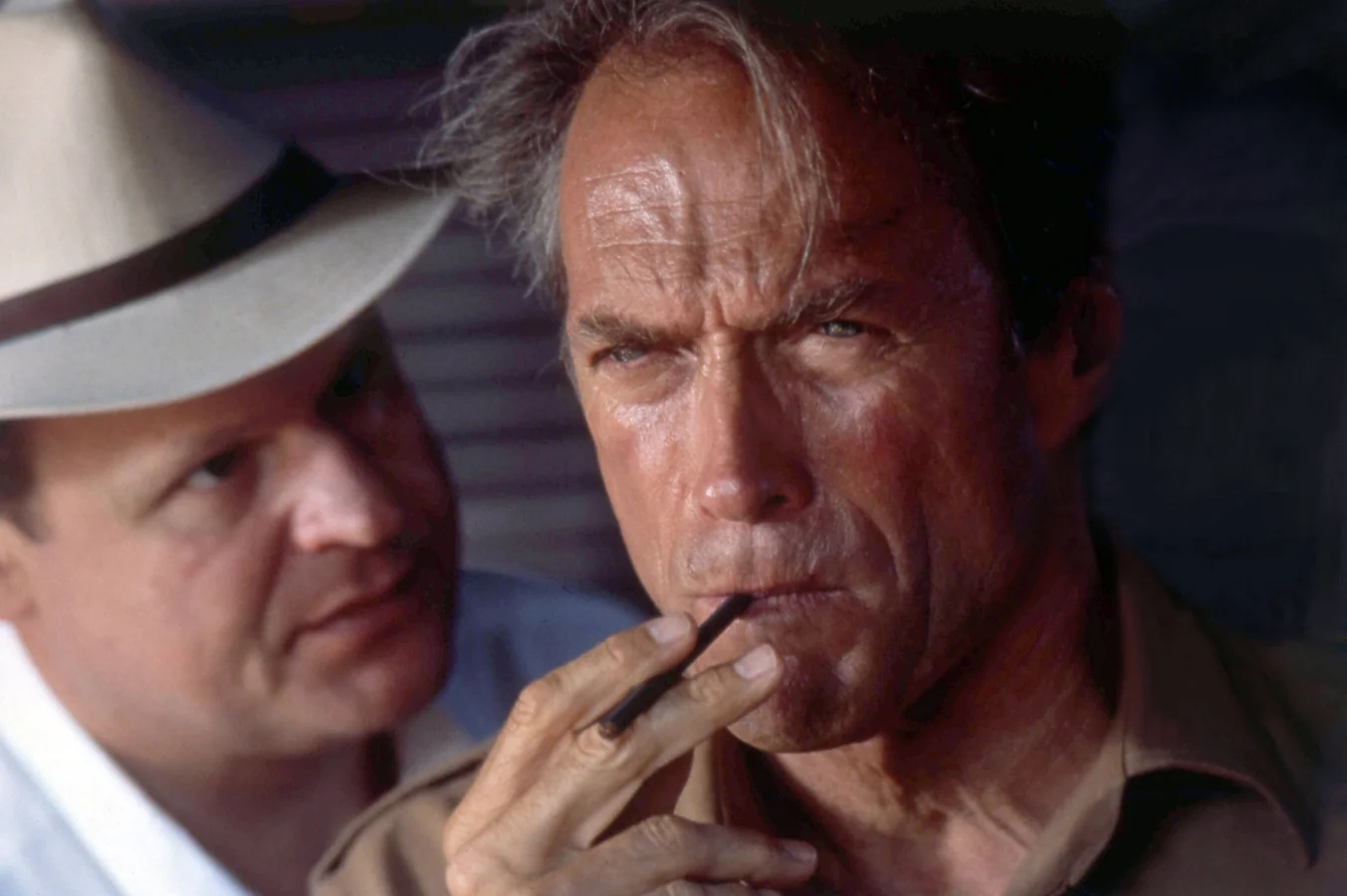
However, Jewell’s heroism was overshadowed when the FBI, led by agent Tom Shaw (portrayed by Jon Hamm), began treating him as a suspect based on insinuations from his previous employer, who suggested Jewell was a fame-seeker responsible for the bombing. Complicating matters further, Atlanta Journal reporter Kathy Scruggs (played by Olivia Wilde) leaked Jewell’s suspected involvement after reportedly trading sexual favors for information. The invasion by the FBI and aggressive media exposure devastated Jewell’s life, forcing him to rely heavily on his mother, Bobi (Kathy Bates), and his lawyer acquaintance, G. Watson Bryant, Jr. (Sam Rockwell), for support.
Eastwood’s direction here mirrors his earlier biopics, such as Sully and American Sniper, by focusing on the emotional toll and family dynamics rather than sensational headlines. The film highlights Jewell’s earnest devotion to his mother and his sincere respect for law enforcement, even as he becomes a victim of their relentless suspicion. This complex emotional portrayal exposes the psychological strain Jewell endured while being publicly vilified despite his unwavering intent to ensure safety and do his job well.
Paul Walter Hauser Brings Depth and Humanity to the Role of Richard Jewell
In his first dramatic lead role, Hauser shed his comedic persona to immerse himself fully in depicting Richard Jewell’s complex character. He meticulously captured Jewell’s speech patterns and mannerisms, offering a performance that was both authentic and empathetic. Early scenes reveal Jewell’s quirky yet charming personality, including his unconventional behavior like secretly entering college dorms to find alcohol, signifying a flawed but relatable man. The tone shifts dramatically as Jewell faces federal suspicion, portraying the fear and humiliation from intense FBI surveillance and media frenzy.
Hauser’s performance excels in portraying the emotional vulnerability of a working-class man struggling to maintain his dignity amid overwhelming adversity. Throughout the film, Jewell’s deep respect for authority remains evident, even when the authorities betray his trust. This conflict is highlighted in a powerful scene where G. Watson Bryant confronts Jewell about his passive acceptance of mistreatment, triggering an explosive outburst that reveals underlying frustration and pain. It is in this raw moment that Hauser’s portrayal transcends surface-level characterization, revealing the fractured trust Jewell has in law enforcement.
Hauser’s portrayal stands out precisely because he embodies an ordinary man rather than a polished hero or archetypal lawman. His ability to convey both the humor and heartfelt suffering of Jewell’s ordeal allows audiences to connect with the character on a deeply human level. This nuanced performance demonstrates Hauser’s range and marks a pivotal point in his career transition from comedic side roles to serious, leading dramatic parts.
The Film’s Legacy and Continued Relevance
Richard Jewell remains a poignant exploration of media sensationalism, the justice system, and personal resilience. By focusing on the man behind the headlines, Clint Eastwood’s work challenges viewers to consider the consequences of rushing to judgment and the human cost of public scrutiny. The film’s impact is heightened by the skilled performances of its cast, especially Hauser, whose embodiment of Jewell humanizes a story often reduced to scandal and controversy.
For audiences interested in the full experience, Richard Jewell is currently available for rent or purchase through various video-on-demand platforms, allowing new viewers to discover Hauser’s dramatic breakthrough alongside Eastwood’s masterful storytelling.
