
Matthew Goode, who portrayed Ozymandias in Zack Snyder’s 2009 adaptation of Watchmen, recently opened up about his experience playing the complex character. Reflecting on the film, Goode expressed regret over overanalyzing his performance, admitting that his attempt at varying accents created confusion. His comments shed light on the challenges actors face when interpreting roles within tightly embraced source material, especially a beloved graphic novel adaptation.
Watchmen, directed by Zack Snyder and based on the seminal work by Alan Moore and Dave Gibbons, was released in 2009 and gained a dedicated following for its faithful visual style. Despite its adherence to the original comic’s tone, the film drew mixed reactions from critics and fans alike, including the original writer Alan Moore, who has historically objected to adaptations of his work. Matthew Goode’s portrayal of Adrian Veidt, also known as Ozymandias, required balancing the character’s calculating intellect and enigmatic nature, a task Goode admits he found challenging.
Goode’s Struggle with His Performance and Casting Surprises
Matthew Goode revealed that he initially found it difficult to watch his own work and felt uncertain about how he was cast in the role. He speculated that Snyder’s decision stemmed from seeing Goode in an earlier film called The Lookout. Notably, Tom Cruise was also considered for the part of Ozymandias, which Cruise chose to pass on, instead showing interest in the role of Rorschach. That role eventually went to Jackie Earle Haley.
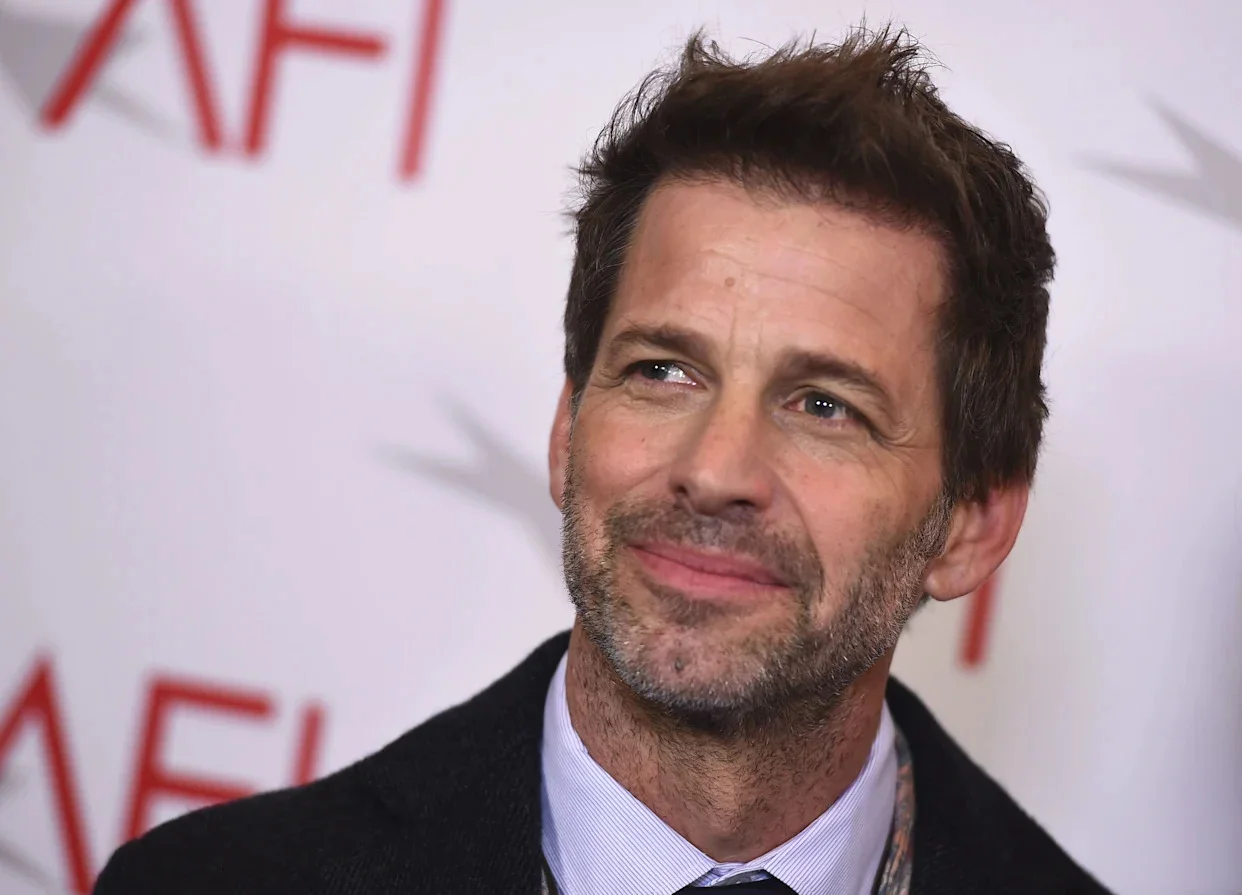
I honestly couldn’t believe they had given me this job. I think [Zack Snyder] had seen The Lookout or something. Goodness knows why he made the jump. Tom Cruise would have been amazing in that film, but it would have cost them an arm and a leg,
Goode said during an interview on Happy Sad Confused. —Matthew Goode, Actor
Goode’s main hesitation about his performance lies in how he handled Ozymandias’s speech patterns. He attempted to give the character a subtle German accent in certain scenes, contrasting with a more standard American accent at other times, which led to unintended inconsistencies that critics and viewers noticed.
I wish I hadn’t overthought it. I mean, I wish I hadn’t tried to give him a kind of German accent when he’s, you know, full American in public and then a kind of soft-ish German-American accent. I could have just made it easier on myself, because then people go, ‘He couldn’t hold his accent.’ You’re like, ‘Uh, okay, that’s like, I understand why you might think that,’
he explained. —Matthew Goode, Actor
Goode Reflects on the Film’s Legacy and His Experience
Despite his criticism of some aspects of his portrayal, Goode described the overall experience as very positive. He suggested that the film, while flawed in his eyes, still holds relevance and remains visually faithful to the original work. Although he has not revisited the movie since its premiere, he recognizes its lasting presence in pop culture.
It was a really great experience.
—Matthew Goode, Actor
I think it stands the test of time. I don’t really know. Something goes out in the world, I don’t spend a huge amount of time checking up on it, you know what I mean? It’s just sort of out there. I haven’t seen it since we went to the premiere. I thought it was very faithful visually to the comic.
—Matthew Goode, Actor
The Film’s Adaptation Choices and Ongoing Influence
While the 2009 Watchmen film included many elements from the graphic novel, it did not feature every part of Alan Moore and Dave Gibbons’ original story, such as the epilogue Tales of the Black Freighter. Zack Snyder later included this story in his Ultimate Cut version of the film. Although the Ultimate Cut is not available on HBO Max, the original 2009 film is accessible, alongside the 2019 Watchmen miniseries, which acts as a sequel to the Moore/Gibbons graphic novel.
The ongoing discussion about Zack Snyder’s Watchmen adaptation and Goode’s role highlights the challenges inherent in translating complex literary characters to the screen. It also reflects the lasting impact of these stories on DC’s cinematic universe and their dedicated fan base.
