
Quentin Tarantino revealed that Shang-Chi is his favorite comic book, highlighting his unexpected fondness for the Marvel character Luke Cage as his favorite superhero. Despite being widely known for his critiques of the superhero genre, Tarantino’s affection for these comics reflects a deep connection to the medium from his youth. His remarks emphasize both his personal nostalgia and the cultural impact of these characters on different generations.
The filmmaker reminisced about his childhood in the 1970s, describing how he avidly collected comics and shared them with other kids, regardless of whether they lived in suburban neighborhoods or housing projects. Shang-Chi, Master of Kung-Fu, captured his imagination with its unique martial arts focus, standing out among the comics he treasured. Tarantino said,
I was really into comic books. And, hands down, my favorite comic book in the mid-70s when it came out was Shang-Chi, Master of Kung-Fu, which was sort of like the Kung-Fu comic book. It was really great…I collected comic books, and it was kind of cool because back then, if you lived in the suburbs or if you lived in a project, it didn’t matter; you probably had about six kids in the general area that collected comic books.
While Shang-Chi tops Tarantino’s favorite comics list, he also singled out Luke Cage as his preferred superhero. This choice surprised many people because of Cage’s status as a Black vigilante, which challenged some preconceived notions among Tarantino’s acquaintances. This demonstrates Tarantino’s appreciation for complex, culturally significant heroes who might not fit the traditional mainstream mold.
Critical Views on the Marvel Cinematic Universe and Its Impact on Hollywood
Even though Tarantino holds affection for these comic book characters, he has expressed frustration with the current state of Hollywood influenced by blockbuster franchises such as the Marvel Cinematic Universe (MCU). He joined other prominent directors, including Martin Scorsese and Francis Ford Coppola, in criticizing the dominance of superhero films, which he believes has diluted traditional movie stardom and cinematic artistry.
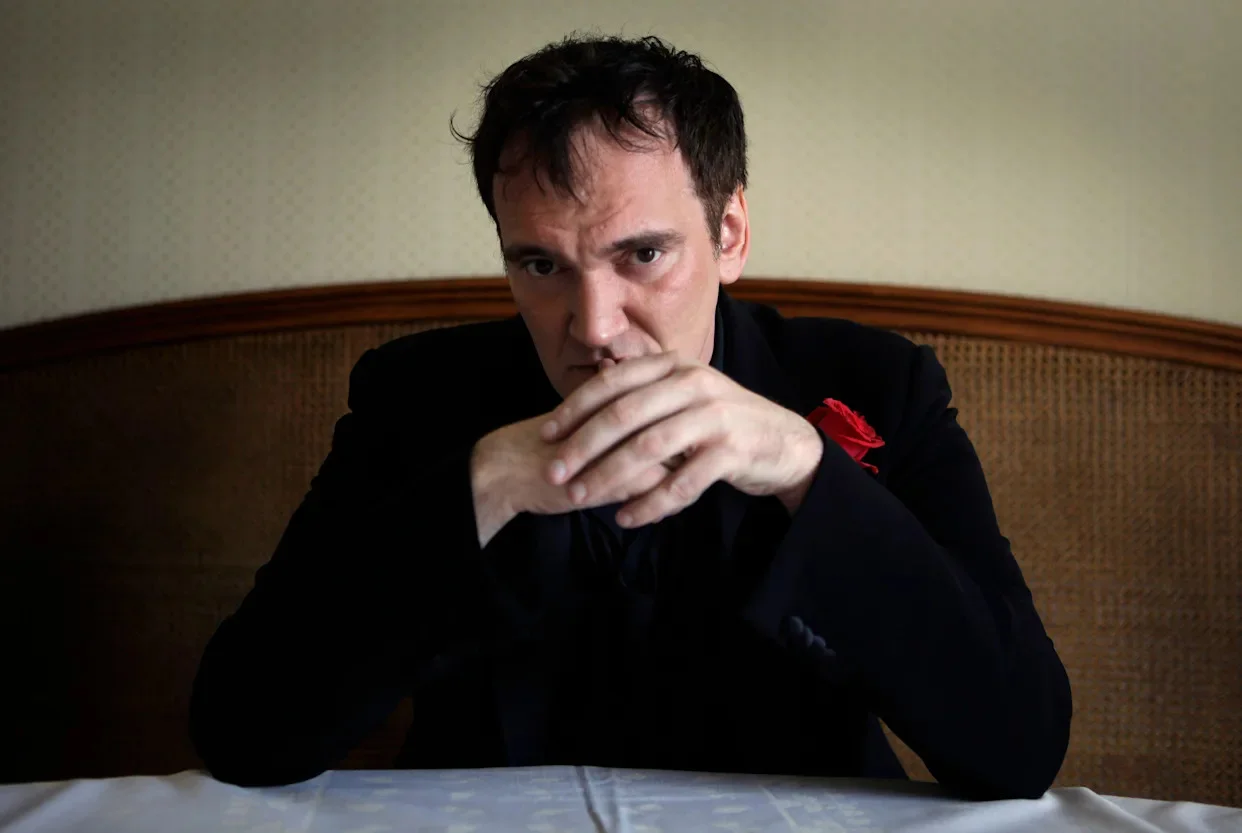
Tarantino argued that familiar franchise characters now overshadow actors themselves, limiting the recognition of individual movie stars. He highlighted how many actors achieve fame primarily through their superhero roles, rather than through diverse cinematic performances. He told Variety,
Part of the Marvel-ization of Hollywood is…you have all these actors who have become famous playing these characters. But they’re not movie stars. Right? Captain America is the star. Or Thor is the star. I mean, I’m not the first person to say that. I think that’s been said a zillion times…but it’s like, you know, it’s these franchise characters that become a star.
This phenomenon, Tarantino suggests, has contributed to an environment in which actors struggle to break free from their superhero identities, making it difficult to cultivate traditional movie star status. Some actors like Chris Evans have experienced challenges securing major roles outside of the MCU, while others, including Robert Downey Jr., have alternated between critical acclaim and box office disappointments.
Uncertain Future for the Shang-Chi Sequel Despite Strong Reception
Shang-Chi and the Legend of the Ten Rings, released in 2021, was well-received and marked a milestone as the first MCU film to feature a predominantly Asian creative team, led by director Destin Daniel Cretton. The movie’s success made it a high-grossing entry in the franchise and established Shang-Chi as a significant superhero in the cinematic universe.
However, nearly four years after the film’s debut, there remains no firm timeline for a sequel. Although a follow-up has been considered, competing production priorities, including Cretton’s involvement with Spider-Man: Brand New Day—a film set to release next year—have delayed concrete developments. The shift in Marvel’s broader plans, including changes to Avengers: Kang Dynasty under the Russos’ leadership, has also influenced the sequel’s scheduling.
Actor Simu Liu, who stars as Shang-Chi, addressed the ongoing discussions about the sequel, emphasizing enthusiasm despite the lack of confirmed details. Liu stated,
I don’t think anything’s been impacted. I speak to Destin often, and there’s nothing coming out of both of us but excitement to make this film.
Given the MCU’s current busy slate and the upcoming Avengers: Secret Wars event, it is likely the Shang-Chi sequel will not enter production soon. Fans remain eager to see the continuation of Shang-Chi’s story, which is also available to stream on Disney+ for newcomers and long-time followers alike.
The Broader Cultural and Industry Implications of Tarantino’s Perspective
Quentin Tarantino’s statements on both his favorite comic book and the film industry reflect a deeper tension in pop culture today. His preference for Shang-Chi and Luke Cage reveals an admiration for diverse and underrepresented characters, while his critique of the MCU highlights concerns about the creative and economic concentration in Hollywood.
As audiences anticipate future installments in the MCU, including Shang-Chi’s sequel, Tarantino’s views underscore ongoing debates about the balance between blockbuster franchises and traditional filmmaking. His comments serve as a reminder of the evolving challenges for actors and filmmakers navigating today’s cinematic landscape, where the identities of characters sometimes eclipse those who portray them. The awaited return of Shang-Chi could symbolize a potential shift or continuation in how superhero stories are told amidst Hollywood’s turbulent changes.
