
Quentin Tarantino battles Weinstein censorship by refusing to alter key scenes in his movies, joining Hayao Miyazaki in resisting the same demands from the powerful producer Harvey Weinstein. In the 1990s and early 2000s, both iconic directors faced relentless pressure from Weinstein to change their films for broader market appeal, but each chose to stand firm. Their defiance highlights the struggle artists endure to preserve creative integrity within the film industry.
Tarantino was confronted by Weinstein while working on Reservoir Dogs, where the producer insisted that Tarantino remove a graphic torture scene. Weinstein feared this brutally intense moment might alienate female viewers and limit the audience. Meanwhile, Miyazaki encountered a similar battle during the US release of Princess Mononoke, with Weinstein demanding drastic cuts to reduce the film’s length. Yet, Miyazaki responded with a symbolic act of resistance, sending a samurai sword labeled “No cuts” to the producer, in a silent but powerful message.
Quentin Tarantino’s Verbal Defiance Versus Miyazaki’s Symbolic Resistance
Although Quentin Tarantino and Hayao Miyazaki represent vastly different filmmaking styles—Tarantino’s work marked by intense violence and sharp dialogue, Miyazaki’s by magical storytelling and reverence for nature—they united in their opposition to Weinstein’s overreach. Tarantino recalled on The Joe Rogan Experience that Weinstein wanted to cut the infamous torture scene in Reservoir Dogs, featuring Michael Madsen’s character Mr. Blonde torturing a captured police officer. Weinstein argued that the scene would drive women away from theaters, but Tarantino declined to compromise.
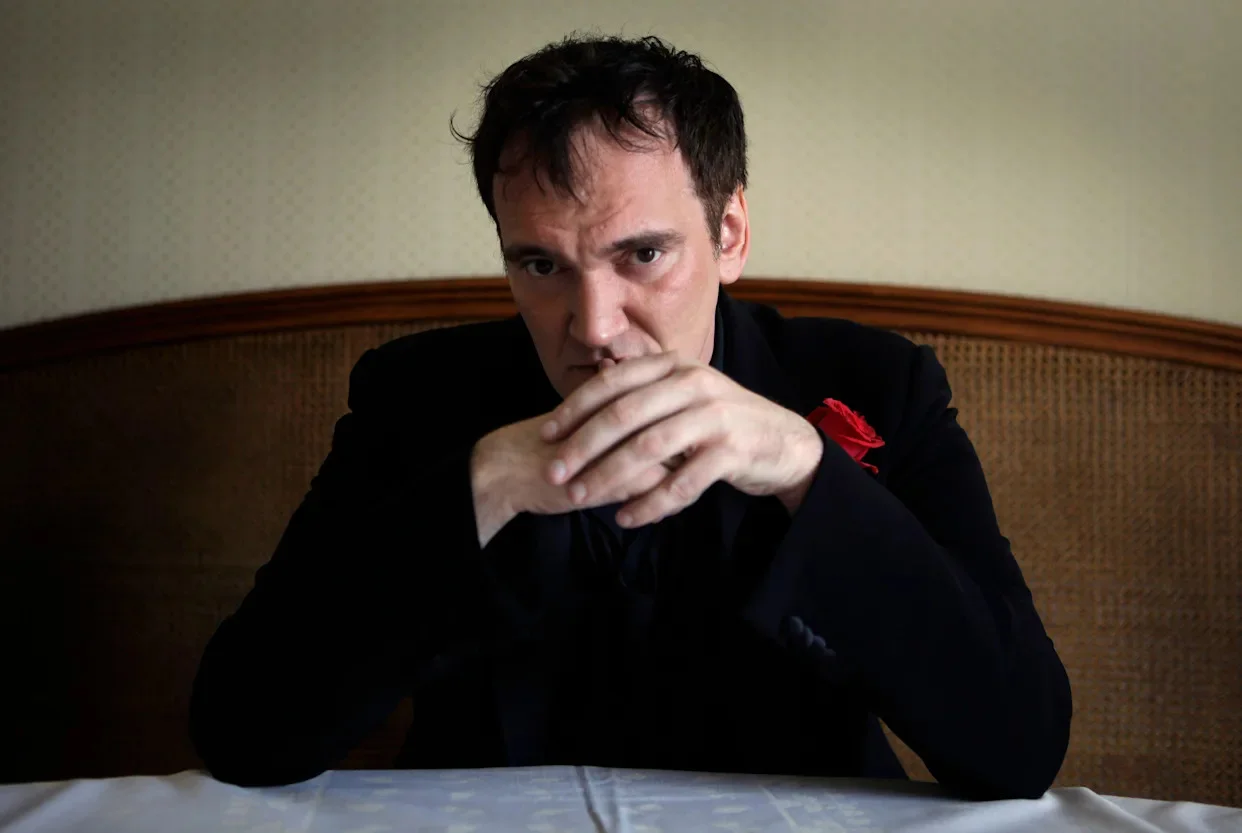
His reasoning was, ‘Look, Quentin, this is a movie that anybody can watch. But with that torture scene, you’re gonna alienate women; they’re not gonna wanna see this.
Tarantino remembered that by standing his ground, he found his voice as a director, breaking from Weinstein’s usual pattern of winning editing disputes.
And [in rejecting Weinstein’s wishes], that’s kind of actually where I became me, because Harvey was used to winning these type of arguments.
On the other side of the globe, Hayao Miyazaki’s response was less verbal but no less defiant. Faced with Weinstein’s demand to slash Princess Mononoke from 135 minutes to 90 minutes, Miyazaki’s team sent a samurai sword to Weinstein with the bold message “No cuts” attached. Though this gesture did not deter Weinstein, who even threatened Studio Ghibli executive Steve Alpert with career destruction, Miyazaki ultimately retained full control over his films’ final edits.
The Impact and Infamy of Harvey Weinstein’s Interference in Filmmaking
Before the revelations that led to his downfall, Harvey Weinstein had already gained a fearsome reputation in Hollywood for his aggressive involvement in the creative process. Industry insiders dubbed him “Harvey Scissorhands” due to his tendency to insist on scene removals, script rewrites, and runtime reductions, often threatening artists who resisted. This moniker was no mere joke but a testament to the climate of intimidation Weinstein fostered.
Many filmmakers caved under his pressure, aiming to avoid conflict, while others quietly derided his heavy-handedness. Weinstein believed he understood audience preferences better than directors and was willing to sacrifice artistic vision for commercial success. His threats extended beyond creative demands; for example, he warned Steve Alpert that failure to comply would mean he would
“never work in this industry again.”
never work in this industry again
But Weinstein’s harassment wasn’t limited to Tarantino, Miyazaki, and Alpert. Director Bong Joon Ho recalled similar battles during the making of Snowpiercer, where Weinstein demanded a 25-minute cut, specifically targeting a scene featuring a fish that carried personal significance. Bong Joon Ho cleverly fabricated a story about his father being a fisherman to persuade Weinstein to keep the scene, showing the lengths directors went to protect their work.
Ultimately, Weinstein’s reign ended as his criminal actions came to light, bringing down a career built on fear and control. Even before his public disgrace, his nickname symbolized a pervasive fear of censorship and loss of artistic freedom among filmmakers.
The Lasting Importance of Tarantino and Miyazaki’s Resistance to Censorship
The unwavering stands taken by Quentin Tarantino and Hayao Miyazaki against Harvey Weinstein’s censorship attempts serve as enduring examples for creators fighting to maintain control over their work. Tarantino’s refusal to cut the violent torture scene in Reservoir Dogs preserved a powerful and pivotal moment in cinema history. Miyazaki’s silent yet bold gesture demonstrated that respect for an artist’s vision can transcend language and cultural barriers. Their actions underscore the ongoing challenges directors face when commercial interests threaten artistic expression.
As the entertainment industry continues to confront the legacies of past abuses of power, Tarantino and Miyazaki’s stories remind us that true artistry demands courage and conviction, especially when confronting those who seek to diminish it.
