
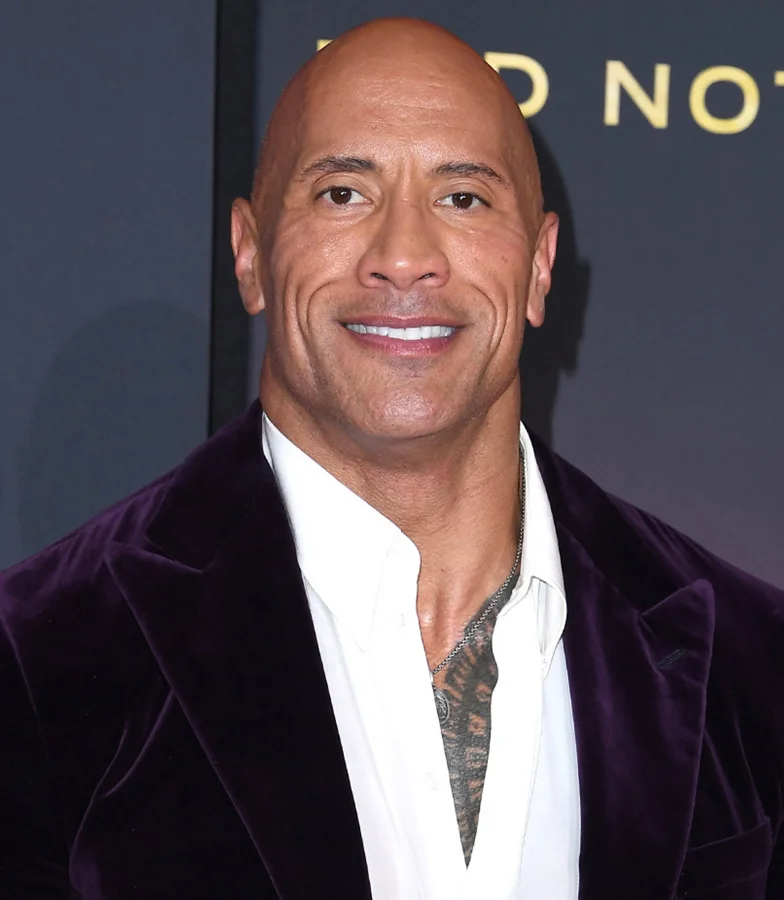
Disney considered employing an AI deepfake of Dwayne Johnson for its 2026 live-action adaptation of Moana, aiming to digitally recreate the actor’s likeness for the character Maui. This plan involved using Johnson’s cousin, Tanoai Reed, as a body double, with an AI-generated face of Johnson layered over Reed’s performance. The approach was intended to reduce Johnson’s need to be physically present on set for certain scenes. However, Disney eventually scrapped the idea over concerns related to ownership rights of AI-generated film elements.
Details on the AI Deepfake Process and the Role of Metaphysic
The project would have involved collaboration with Metaphysic, an AI company specializing in deepfake technology. By combining Reed’s physical acting with a digital mask of Johnson’s face, the studio hoped to blend human performance with AI enhancement. Dwayne Johnson himself had reportedly approved this approach, showing willingness to participate in pioneering technology use. Despite this, executives worried that integrating AI-generated images might complicate Disney’s control over the film’s intellectual property, ultimately leading them to abandon the plan.
Additional AI Experiments Considered for Other Disney Projects
The Wall Street Journal report also reveals Disney’s attempts to implement AI in the upcoming Tron: Ares movie. The studio aimed to create an AI-driven version of Jeff Bridges’ character, Bit, by using generative AI programs. According to the WSJ, a voice actor would have provided the character’s voice while the AI responded dynamically as cameras rolled, simulating real-time dialogue. This experimental use of AI was also dropped due to fears of negative public reaction and controversy surrounding artificial content.
Disney’s Conflicted Approach Toward AI Amid Legal Challenges and Industry Trends
Disney’s stance on AI remains uncertain and cautious, balancing innovation with protection of intellectual property. Earlier in the year, Disney joined Universal in a lawsuit targeting Midjourney AI, accusing it of extensive plagiarism concerns. The company is known for vigorously defending its characters and franchises, which clashes with widespread use of AI in media creation. In another example, Disney allowed an AI-generated Darth Vader voice in Fortnite, which was quickly exploited by players to produce inappropriate language, forcing a rapid fix by Epic Games.
The Broader Significance of AI in Disney’s Future Productions
Despite these challenges, Disney executives reportedly recognize the cost-saving advantages that AI technology could bring to film production. The mixed reactions highlight the tension between embracing cutting-edge tools and safeguarding creative ownership. Whether Disney will revisit the use of AI deepfakes like that of Dwayne Johnson in Moana or pursue other AI-assisted projects remains unclear, but the ongoing debate signals significant implications for the entertainment industry’s future.
“the AI program, voiced by an actor, would respond to questions as Bit as cameras rolled.”
—Jessica Toonkel and Erich Schwartzel, The Wall Street Journal
