
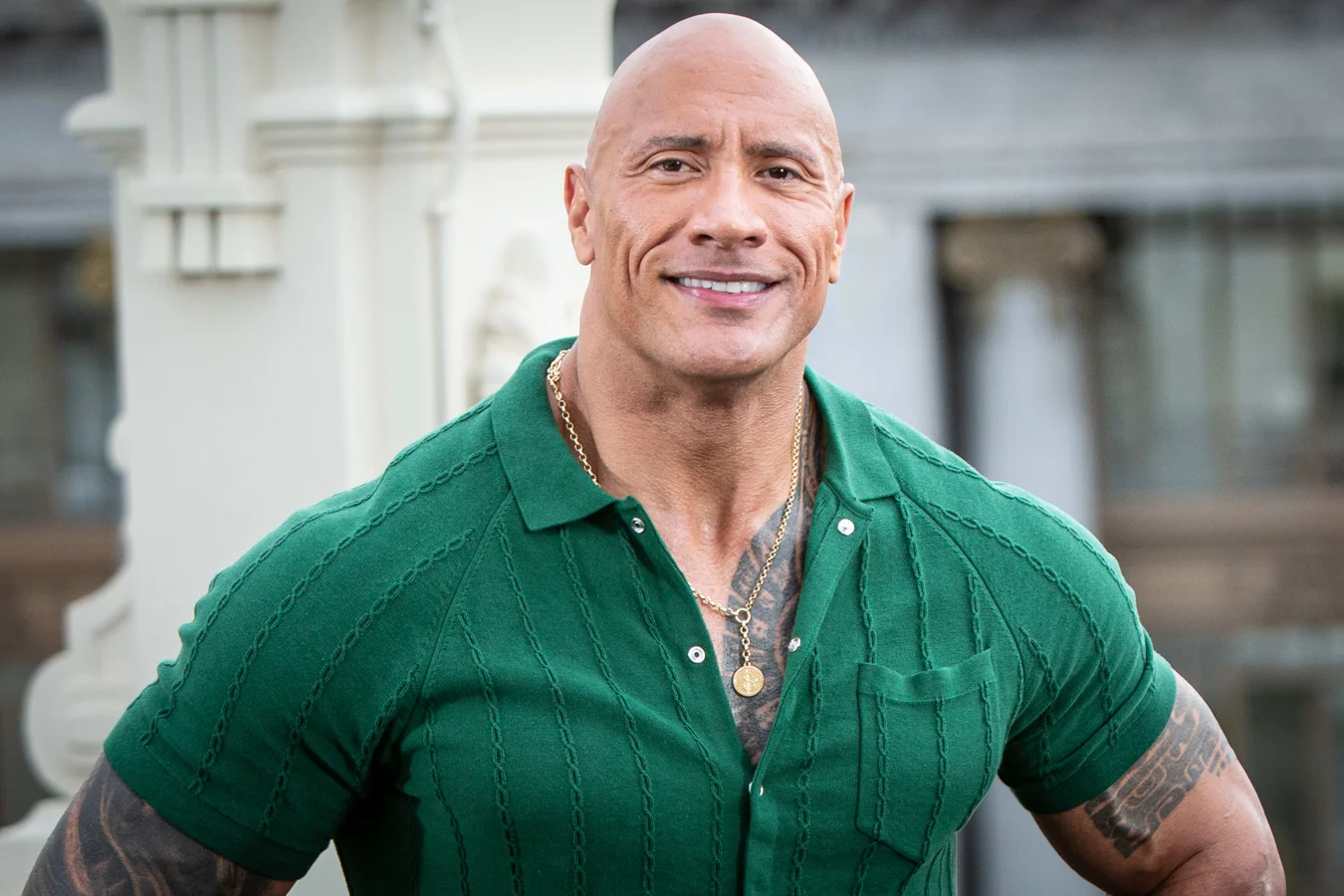
Disney explored using an AI deepfake of Dwayne Johnson for the upcoming live-action Moana, where Johnson reprises his role as the demigod Maui. The idea was to digitally overlay Johnson’s face onto a body double during filming to maximize the actor’s availability. This plan emerged as part of efforts to recreate Johnson’s character with realistic effects for the movie, scheduled for release in theaters on July 10, 2026.
The studio selected Tanoai Reed, Johnson’s cousin and longtime stunt double, to perform as a body double for certain scenes when Johnson was unavailable. To create this seamless effect, Disney intended to partner with Metaphysic, an AI-powered visual effects company, which would generate the deepfake images of Johnson’s face to be superimposed onto Reed’s physical performance. This approach aimed to enable Johnson’s likeness to appear in multiple places within the filming schedule.
The Role of Metaphysic’s AI and Its Capabilities
Metaphysic has gained recognition for delivering advanced AI-driven visual effects that blend immersive realism across entertainment industries like film, television, and live events. The company’s work includes digitally altering actors’ appearances in projects such as Robert Zemeckis‘s film Here, which used generative AI to depict Tom Hanks and Robin Wright at varying ages, as well as recreating the late Ian Holm’s face for Alien: Romulus under Disney’s 20th Century Studios.
Beyond movies, Metaphysic’s AI technology was showcased during the 2024 MTV Music Video Awards by performing the first-ever live face swap on broadcast television. Eminem was able to share the stage with his alter-ego Slim Shady in real time. Metaphysic also used AI to digitally resurrect legendary musicians such as Sammy Davis Jr., Frank Sinatra, and Elvis Presley for both performances and commercial appearances.
Challenges and Legal Concerns Led to Scrapping the Digital Double
Although Dwayne Johnson approved Disney’s plan to use an AI-generated deepfake of his face, the project faced numerous legal and technical challenges. Disney’s attorneys were deeply involved in negotiating how the technology could be safely used and how to secure the sensitive data involved. They also debated responsibilities around intellectual property ownership, specifically whether the studio could claim full rights over all AI-generated elements in the film.
Negotiations between Disney and Metaphysic stretched over 18 months with the two parties working intermittently on contract details and development of the digital double. Despite these efforts, the final decision was to exclude any AI deepfake footage of Johnson from the movie’s release. None of the AI-based scenes will appear in the live-action Moana when audiences see it next summer.
The Extensive Preparation for Johnson’s Maui Transformation
On set, Dwayne Johnson donned a custom-made bodysuit to emulate Maui’s muscular build. The suit, designed by Joel Harlow, an Oscar-winning makeup effects artist noted for his work on Johnson’s previous films Jungle Cruise and Red One, was detailed and required a long process to put on. Johnson described the daily transformation as time-consuming and challenging.
“That is a couple of hours every day, of transforming, putting that on,”
Johnson said during an interview with Extra ahead of the Moana sequel. When photos of him in the suit leaked online during filming, Johnson expressed surprise and humor, recalling,
“We shot outside, and when those pictures surfaced, I was like, ‘S—, we got caught!’ We were putting up walls so there was no paparazzi, but they got in the boats and they started shooting pictures.”
Disney’s Ambitious Vision for the Live-Action Moana
The live-action Moana remake features Johnson as Maui alongside Catherine Laga‘aia playing the title role of Moana, the wayfinder. With the release set for mid-2026, Disney intends to blend existing strengths in visual effects with practical performance elements. The initial experiment with AI deepfake technology illustrated the company’s interest in cutting-edge tools that could improve filmmaking efficiency while preserving star power.
Though the AI deepfake approach was ultimately abandoned, the efforts underscore how studios like Disney are testing new methods to enhance creative productions. The challenges they faced with legal complexities and ethical questions over AI use will likely influence future projects aiming to incorporate digital likenesses of actors.
Implications for Future Use of AI in Film Production
The decision to omit the AI deepfake of Johnson from the final Moana film reflects a cautious approach to integrating emerging technologies in Hollywood. Legal concerns about ownership and data security are crucial when relying on AI for visual effects that replicate real individuals. This instance marks a significant case study on balancing innovation with responsibility in entertainment.
Studios may proceed with similar technology in future productions but with heightened scrutiny and clearer guidelines. As AI visual effects become more advanced, agreements surrounding rights and protections will need to evolve alongside the technology to address these complex challenges. Disney’s Moana project highlights both the potential and limits of current AI capabilities in mainstream filmmaking.
