
Blake Lively encountered a legal setback on August 4 when a New York federal judge rejected her attempt to obtain emails sent by Justin Baldoni’s lawyers to content creators and the press. This development is part of the ongoing Blake Lively legal battle update concerning her accusations against Baldoni. The judge’s decision limits Lively’s subpoena seeking detailed information about Baldoni’s legal team’s communications and alleged public relations strategies.
Justin Baldoni’s lawyer, Bryan Freedman, a partner at Liner Freedman Taitelman Cooley, spearheaded the motion to block Lively’s subpoena. Freedman’s firm argued that many of her requests were overly broad and potentially protected under attorney-client privilege. The legal dispute involves Lively’s sexual harassment claims against Baldoni, who denies all accusations, and tensions over public narratives shaped during the lawsuit.
Background of the Legal Claims Between Blake Lively and Justin Baldoni
Lively, 37, has accused Baldoni, 41, of sexual harassment on the set of their 2024 film, It Ends With Us. She alleges that Baldoni hired a crisis PR team to damage her reputation in retaliation for her allegations. Baldoni denies using negative public tactics and claims Lively tried to control the film after shooting ended. The legal teams dispute whether negative press coverage was orchestrated or spontaneous.
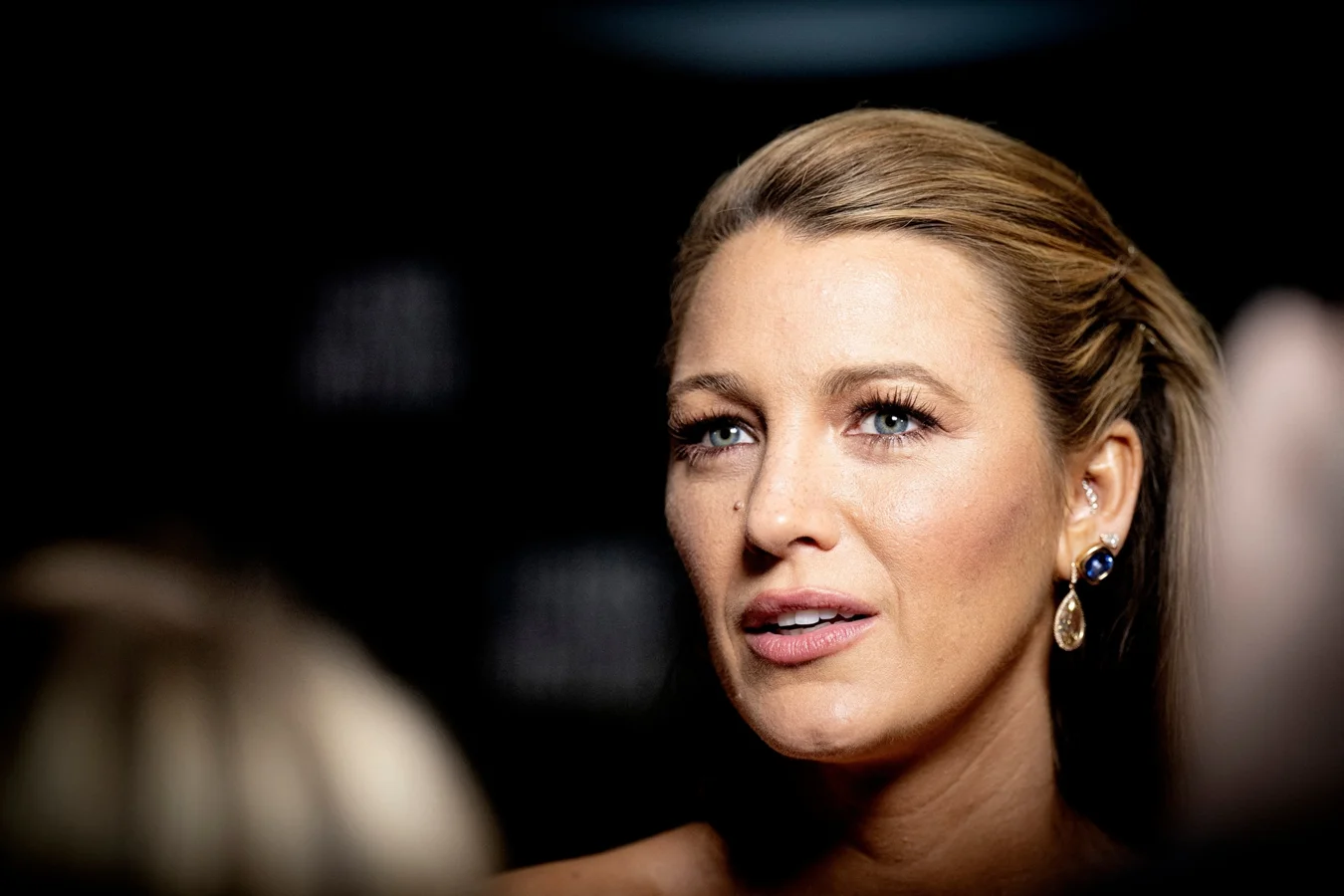
Lively believes that Baldoni’s representation may have collaborated with content creators to spread damaging narratives about her. Conversely, Baldoni’s side maintains that any adverse publicity was not part of an organized campaign. The judge’s ruling addressed these claims, highlighting the ongoing accusations of a coordinated effort against Lively.
Judge Addresses Claims of a Coordinated Digital Campaign
The judge noted Lively’s allegations about a concerted publicity campaign against her, stating,
Lively alleges that the goal of the campaign was to spread disparaging content about her on social media and in the press.
She also claims the defendants
continued to perpetrate the untraceable digital campaign and have continued to ‘push negative and derogatory content about
her.
Furthermore, the court referenced Lively’s assertion that her opponents’ counsel threatened journalists, witnesses, and media outlets to prevent unfavorable reports about Baldoni and others involved. The order read,
[Lively] claims that Defendants’ counsel has threatened witnesses, journalists, media entities, and others if they publish unfavorable information about Baldoni or other Defendants.
Scope of Subpoena and Court’s Rationale for Denial
Lively’s subpoena requested various items from Freedman’s firm, including any agreements signed with content creators, invoices linked to creators, banking information tracing any payments to creators, and communications pertaining to public statements made about Lively from August 1, 2024, onward. She also sought phone records revealing any calls Freedman made to sources about statements she views as defamatory.
The law firm opposed most of these requests, asserting they had no agreements or payment documents related to creators in connection with this litigation. The court granted the motion to shut down subpoenas seeking unrelated agreements, noting,
Lively suggested the possibility that [our firm] generally and Mr. Freedman specifically could have funneled money to Content Creators who were clients of the [law firm] in the form of discounts on legal fees in exchange for the publication of negative material about Ms. Lively.
However, the court clarified,
But at this stage, that assertion is speculative, of tangential relevance, and may be tested by discovery from other sources.
Requests for the firm’s communications with journalists were also denied. The judge emphasized,
Lively has not demonstrated a need at this point to obtain those documents from Liner, and there is a potential risk that the requests would encroach on the attorney-client privilege, attorney work product doctrine, or attorney-client relationship more generally,
reflecting concerns about legal protections and confidentiality.
Additionally, Lively’s demands for information about Freedman’s public statements were rejected. The court noted that such information might be obtained through other channels without involving subpoenas, reducing interference with protected communications.
Privileged Nature of Legal Communications Highlighted by Court
The judge also addressed claims related to public comments made by Freedman, stating,
Freedman’s allegedly defamatory statements are to the effect that Lively is a liar and the allegations in her complaint are not true. One obvious source of information forming the basis for Freedman’s statements would be communications made to Freedman by his clients in the course of seeking legal advice. Such communications would be privileged.
This underscores the protection afforded to client-lawyer discussions, restricting discovery in this area.
Recent Trial Preparations and Upcoming Court Dates
Lively was deposed in New York on July 31, with Baldoni reportedly present as his legal team questioned her. Both parties continue to prepare for the trial, which is currently scheduled to begin on March 9, 2026. This ongoing legal battle between Blake Lively and Justin Baldoni continues to attract significant public and media attention as it unfolds.
