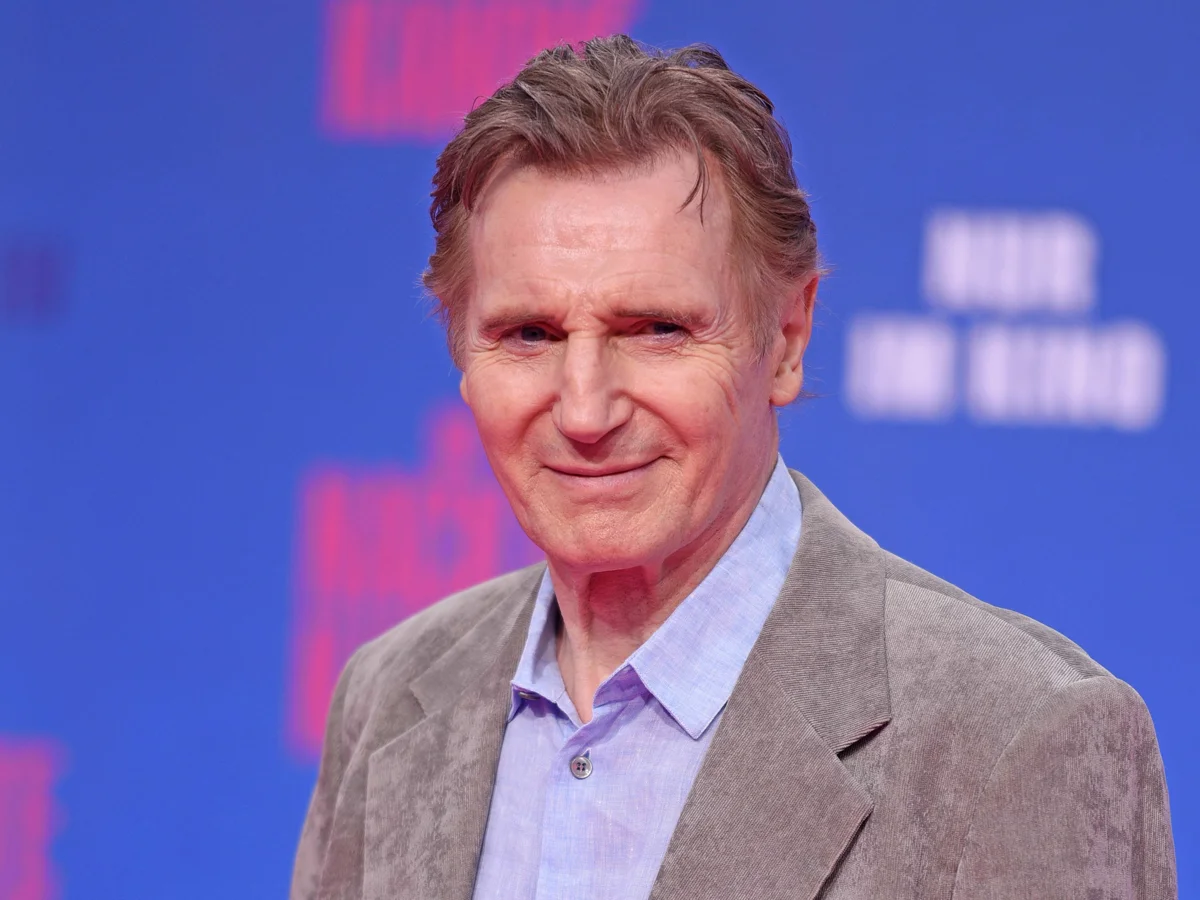
Liam Neeson humorously revives Frank Drebin Jr. in a new Naked Gun, blending serious and comedic acting skills seamlessly.
On March 21, 1994, Liam Neeson was attending the 66th Academy Awards for his first-ever Best Actor nomination when Leslie Nielsen’s Frank Drebin character was causing chaos in Naked Gun 33 1/3: The Final Insult, which had opened just three days earlier. While Nielsen was closing out his iconic spoof comedy trilogy, Neeson was entering a new phase in his acting career after a decade of building his reputation. Now, at 73, Neeson has embraced the role of Frank Drebin Jr. in a new Naked Gunfilm that revives the spirit of the original series. This successful casting reinforces why Liam Neeson in the Naked Gun role is resonating strongly with audiences and could redefine his late-career trajectory.
Leslie Nielsen’s Legacy as a Spoof Comedy Legend
Leslie Nielsen’s career took a decisive turn with the success of spooffilms. Prior to his widespread fame as Frank Drebin, Nielsen’s acting spanned decades with a mix of television and supporting film work. His breakthrough in spoof comedy came with the 1980 film Airplane!, directed by David Zucker, Jim Abrahams, and Jerry Zucker, where he delivered deadpan humor as the earnest Dr. Rumack. Nielsen’s iconic line,
“I am serious, and stop calling me Shirley”
—Leslie Nielsen, Actor, perfectly showcased his talent for straight-faced parody amid absurd situations. Another memorable gag was his repeated reassurance to the pilots:
Image of: Liam Neeson
“I just want to tell you both good luck. We’re all counting on you”
—Leslie Nielsen, Actor, even after the crisis had resolved, demonstrating his subtle comic timing.
From TV to The Naked Gun’s Box Office Success
Following Airplane!, Nielsen took a variety of roles, but the character of Frank Drebin became his hallmark through the TVseriesPolice Squad!, earning him an Emmy nomination. This platform paved the way for the highly successful The Naked Gunmovie series, which cemented Nielsen’s place in comedy history. Despite this, Nielsen’s comedic momentum waned after the trilogy, and he ventured into varying spoof projects with mixed results, working with figures like Mel Brooks, Pat Proft, and Jason Friedberg. Nielsen’s second-act success overshadowed his earlier career and introduced him to new generations who primarily recognize him for his comedic work.
Liam Neeson’s Distinctive Acting Path Before Spoof Comedy
Unlike Nielsen, Liam Neeson rose to fame through dramatic leading roles. By the time he stepped into the Naked Gun universe, he was a seasoned star known for films like Rob Roy, Nell, and Michael Collins. His authoritative voice and imposing presence made him an ideal lead in serious, often historical, roles. Neeson then made a notable shift in his mid-50s, turning toward intense action thrillers following the success of Taken. This pivot led to numerous films that showcased his ability to play complex, guilt-ridden characters fueled by violence and conflict, frequently collaborating with director Jaume Collet-Serra. Over the past decade, Neeson’s action films, some viewed critically as “Redboxmovies,” have nonetheless refined his screen persona and demonstrated his unwavering commitment to every role, regardless of script quality.
The Paradox of Liam Neeson in Spoof Comedy
Neeson’s transition to playing Frank Drebin Jr. contrasts sharply with his previous serious parts but feels surprisingly natural. His style, marked by a solemn intensity, fits the character’s straight-faced yet absurdly specific humor brilliantly. Unlike Nicolas Cage, who often brings self-parody into his roles, Neeson excels at playing the deadpan figure with complete conviction, turning mundane details like lending out a DVR into hilarious moments. This fresh approach revitalizes the spoof genre and could help the new Naked Gunfilm achieve lasting popularity. Moreover, Neeson’s broad catalog of mentor and heroic roles makes him instantly recognizable and appealing to a wide audience that might otherwise be unfamiliar with Nielsen’s original portrayal.
Using Deadpan Comedy to Bridge Dramatic and Spoof Roles
Neeson already displayed a knack for subtle humor in smaller comedic appearances, such as those in Ted 2 and the TV show Life’s Too Short. His performances have sometimes sparked laughter not due to poor acting but because of his ability to inject intensity into unexpectedly funny moments. Comedy sketches like Key and Peele’s homage to Neeson’s career underscore how his powerful screen presence can blend seriousness with humor. This duality serves as the perfect preparation for his role as Drebin, where his despair and rage are sources of both tension and comedy. These layered performances showcase Neeson’s flexibility and make his entry into spoof cinema feel genuine rather than forced.
Reinterpreting Frank Drebin for a New Generation
Nielsen’s Drebin was the epitome of oblivious, reassuring authority, a straight man surrounded by absurd blunders. Neeson’s version adds a modern twist by infusing the character with a palpable sense of reluctant frustration and emotional conflict. This dynamic opens new comedic possibilities, as his frustrations over trivialities like his DVR or pop culture moments contrast humorously with his darker inner struggles. In onescene, Drebin’s lament over revenge reveals not spiritual torment but addictive thrill-seeking, satirizing traditional action-hero tropes and appealing to today’s audiences familiar with Neeson’s past roles. This added depth enriches the character without losing the spoof’s signature levity.
Impact on Liam Neeson’s Career and Comedy’s Landscape
While Nielsen’s performance remains a classic, Neeson’s fresh take could broaden the appeal of spoofcomedies by allowing him to oscillate between serious and humorous roles. Economically, the comedy market has shifted since Nielsen’s era, so one successful Naked Gunfilm may not instantly revive the genre. However, this movie marks a significant milestone for Neeson, becoming his most prominent hit in years and potentially his biggest leading role since Taken 3. The comedic turn adds surprising depth to Neeson’s career, enriching his legacy while signaling a new chapter that melds intensity with humor seamlessly.