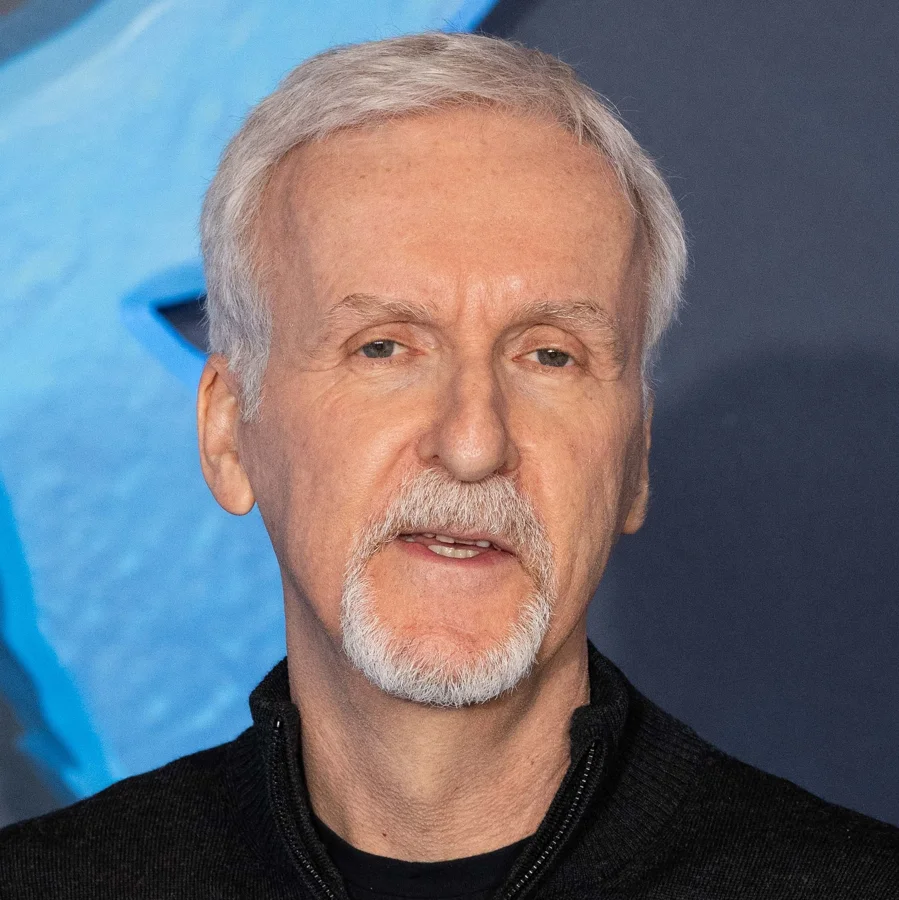
James Cameron tackles his most challenging WW2 film, "Ghosts of Hiroshima," set in 3D, portraying Japanese perspectives.
James Cameron has announced that his forthcoming movie, Ghosts of Hiroshima, will be the most challenging project he has ever undertaken. Set during World War II, the film will focus on the bombings of Hiroshima and Nagasaki, presenting the narrative from a Japanese perspective. The movie is adapted from Charles R. Pellegrino’s book, which was released on August 5, 2024, coinciding with the project’s development.
Cameron disclosed in September 2024 that he is actively working on this film, positioning it as his next major release after finishing Avatar 5, the concluding chapter of his high-profile Avatar saga. Simultaneously, he is involved in adapting Joe Abercrombie’s novel The Devils, showing his diverse filmmaking interests.
James Cameron Reflects on the Emotional and Technical Demands of the Film
The acclaimed director has emphasized the unique difficulties this film presents. Discussing his approach, Cameron described
“This might be the most challenging film I ever make. I don’t 100% have my strategy fully in place [right now] for how I want to see it, for how I want to shield people from the horror, but still be honest. Also, for how I can find some kind of poetry, beauty, or spiritual epiphany in it somehow, which I know must be there. It’s there in every human story. So, it’s going to be very challenging. I might not even be up to the task, but that never stopped me before.”
The deep trauma and complexity of the subject matter contribute heavily to this challenge.
He plans to utilize 3D technology in filming, aiming to immerse viewers as profoundly as possible. Cameron explained,
“I want to show you what it was like. You’re just there. You’re a witness to history, you’re a witness to what really happened, and we can do that. I’m going to shoot it in 3D, if need be. I’m going to make it as real for you as I can. You know, I don’t know where it’s going to take me. I am actually afraid of this movie in a way.”
This admission highlights his awareness of the emotional weight the film carries.
Comparing this work to his fantasy-focused projects like Avatar, Cameron noted how this new film requires a different artistic approach. He said,
Image of: James Cameron
“Avatar is great. I get to live on this fantasy planet with all these amazing creatures and so on. However, there are times when you feel compelled to say something else as an artist.”
What This Project Means for James Cameron’s Artistic Vision
This is not the first time Cameron has spoken about his need to address serious, weighty subjects with his work. When the film was first announced, he shared that he had long wanted to tell this story and can’t turn away from it. His commitment reflects a broader sense of responsibility toward the material.
In conversations with Deadline, Cameron differentiated Ghosts of Hiroshima from other WWII films like Christopher Nolan’s Oppenheimer. He criticized Nolan’s film as
“a bit of a moral cop out.”
Cameron added,
“I don’t know whether the studio or Chris felt that that was a third rail that they didn’t want to touch, but I want to go straight at the third rail.”
This clearly shows Cameron’s intention to confront the difficult moral questions surrounding the bombings directly and unapologetically.
Through these remarks, Cameron reveals that his goals for this film extend beyond traditional filmmaking. He views it as a moral and historical undertaking that demands honesty and courage, aiming to tell a story that has often been overlooked or underexplored from the perspective of the Japanese people. Given his reputation and influence in the industry, this film is likely to receive considerable attention and spark conversations.
Anticipating the Impact and Style of Ghosts of Hiroshima
The choice to shoot Ghosts of Hiroshima in 3D places Cameron alongside filmmakers like Christopher Nolan with Dunkirk and Sam Mendes with 1917, who have used immersive techniques to bring war stories vividly to life. This approach promises to turn the film into not only a historical narrative but also a powerful cinematic experience.
If Cameron can successfully convey the horror and emotional reality endured by bombing survivors, the combination of 3D visuals and storytelling could make this film one of the most intense and affecting depictions of World War II to date. The sensory immersion may deepen audience understanding and empathy in a way traditional formats often struggle to achieve.
This effort reflects Cameron’s desire to push boundaries both artistically and technically, further cementing his role as a filmmaker committed to challenging themes and innovative storytelling techniques.