
Mel Gibson and Kevin Costner, two iconic actors from the 1980s through the 2000s, are attempting to regain their former A-list status with new projects. At this stage in their careers, Gibson’s plans may prove more successful than Costner’s recent comeback efforts. Both have solid legacies, but Gibson’s latest sequel strategy has generated particular attention amid his attempts to regain momentum in Hollywood.
Mel Gibson’s Career Journey and Controversies
Gibson rose to fame as the lead in the Mad Max series before becoming a household name in the United States through films like Lethal Weapon. Venturing into directing, he gained acclaim with movies such as The Man Without a Face and Braveheart, later focusing solely on directing with titles including The Passion of the Christ and Apocalypto. Despite this success, his career faced significant setbacks in the mid-2000s due to personal controversies.
His struggles with alcoholism and accusations of controversial beliefs led to Gibson being largely blacklisted in Hollywood by the early 2010s. Nevertheless, he has gradually returned to both directing and acting, hoping to reestablish his presence in the industry.
Gibson’s Two-Part Sequel Strategy Mirrors Costner’s Risky Approach
Mel Gibson is currently developing a sequel to his 2004 hit The Passion of the Christ, titled The Resurrection of the Christ. The original film, despite its controversies, earned an impressive $612.1 million on a modest $30 million budget, holding the record as the highest-grossing faith-based film ever. Building on this success, Gibson announced a release plan split into two parts, both scheduled for 2027.
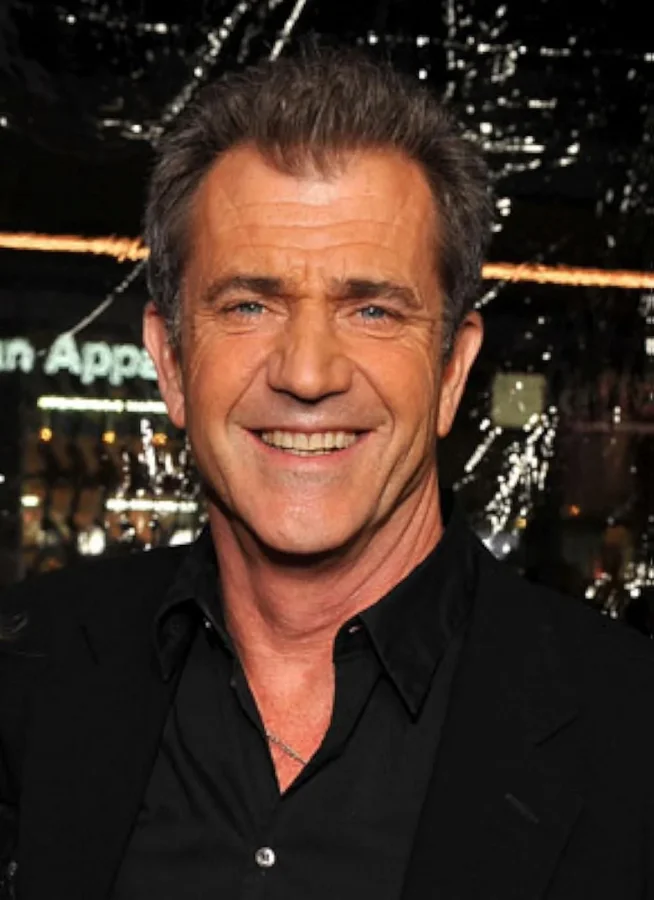
Part One will open in theaters on March 26, 2027, followed by Part Two just 40 days later on May 6, 2027. This condensed timeframe between releases is unusual for films of this scale and carries significant financial risk. Gibson’s plan has drawn comparisons to Kevin Costner’s attempt to relaunch his directing career with Horizon: An American Saga, an ambitious four-part Western epic.
Costner’s Horizon premiered its first chapter on June 28, 2024, with Chapter 2 planned for release less than two months later on August 16, 2024. However, after the first film’s disappointing $38.7 million box office returns on a $50 million budget and lukewarm critical reception—evidenced by a 51% rating on Rotten Tomatoes—the studio halted further releases indefinitely. Chapter 2 has only been shown at film festivals like Toronto and Santa Barbara but remains unreleased to the general public. Meanwhile, production on Chapter 3 has barely progressed.
Despite this clear example of failure, Gibson is embracing this high-stakes strategy, aiming to defy its risky reputation.
Analyzing the Chances of Success for Gibson’s Sequel Approach
While Costner’s venture struggled, Gibson’s sequel has several factors working in its favor. The original Passion of the Christ’s unprecedented success demonstrates a substantial audience appetite for faith-based cinema, reinforced by recent hits such as I Can Only Imagine and the God’s Not Dead series. In contrast, Westerns like Horizon have seen declining box office interest, contributing to Costner’s difficulties.
The Resurrection of the Christ benefits from existing brand recognition, which may attract viewers familiar with the original. Moreover, the timing of the dual releases aligns with significant Christian observances, with Part One scheduled for Good Friday, symbolizing Jesus’s crucifixion, and Part Two for Ascension Day, marking Jesus’s ascension into Heaven. These carefully chosen dates might amplify viewer engagement among religious audiences.
However, potential challenges remain. Audiences might hesitate to purchase tickets for two closely related films, effectively doubling the cost of experiencing the full story, which could deter more casual moviegoers. Additionally, if Part One remains in theaters when Part Two debuts, some viewers may opt to wait and watch both consecutively, potentially depressing the initial box office earnings for Part One.
Principal Cast Members Returning for the Sequel
The new films will feature several returning actors, including Jim Caviezel as Jesus, Maia Morgenstern reprising her role as Mary, and Francesco De Vito portraying Peter. Their involvement maintains continuity with the original film and may help retain the established fan base.
What This Could Mean for Gibson and Hollywood’s Faith-Based Genre
If Mel Gibson’s two-part release succeeds, it could reinvigorate his standing in Hollywood and demonstrate that ambitious release schedules are still viable for faith-based blockbusters. It would also contrast sharply with Kevin Costner’s stalled Horizon project, highlighting the divergent paths their comeback attempts have taken. The Resurrection’s approach sets an intense precedent, given the close timing and the weight of religious significance in its scheduling.
Ultimately, the film’s performance will reveal whether audiences can embrace this unconventional strategy or if the risks outweigh the rewards. As the release dates in 2027 approach, industry watchers and moviegoers alike will be watching closely to see if Mel Gibson’s bold plan can reclaim his top-tier status.
