James Cameron's Avatar explores deep philosophy: bridging humanity, nature, and entertainment in epic sci-fi storytelling on Pandora.
James Cameron has devoted nearly twenty years to creating and expanding the world of Pandora, the setting for his iconic Avatarfranchise. Following the groundbreaking success of the original Avatar film in 2009, audiences waited thirteen years for its sequel, Avatar: The Way of Water, which debuted in 2022. This lengthy development period was essential to prepare for the rapid succession of sequels, including the upcoming Avatar: Fire and Ash scheduled for release in 2025, with two additional films planned for 2029 and 2031. Cameron’s sustained commitment to this single franchise is exceptional, even among the most accomplished directors, and he has recently opened up about the personal philosophy that fuels his long-term dedication in an interview with Rolling Stone.
The Deeper Principles Driving Cameron’s Avatar Films
Although the Avatarseries has achieved monumental financial success, James Cameron explained that monetary gain was never his primary motivation. Instead, he considers the films a means to foster connection and awareness about humanity’s relationship with nature and ourselves. Cameron described his outlook on the movies in his own words:
“I’ve justified making Avatar movies to myself for the last 20 years, not based on how much money we made, but on the basis that hopefully it can do some good, it can help connect us, it can help connect us to our lost aspect of ourself that connects with nature and respects nature and all those things,”
he stated.
He acknowledged the limitations of film as a solution for human problems, noting that many people prioritize entertainment over challenge. However, he views Avatar as a strategic vehicle:
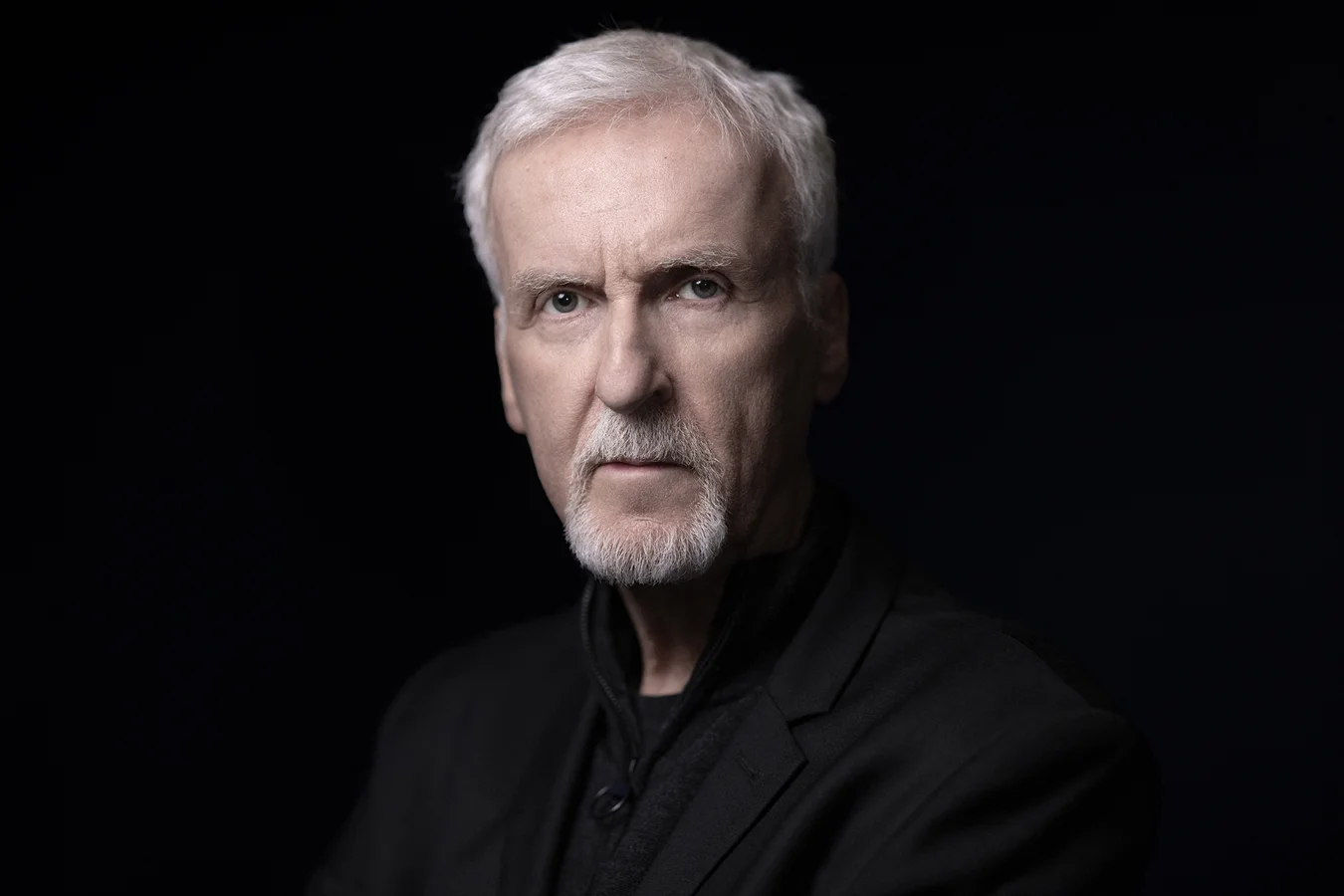
Image of: James Cameron
“I think Avatar is a Trojan horse strategy that gets you into a piece of entertainment, but then works on your brain and your heart a little bit in a way.”
This dual role of the films, blending spectacle with meaningful messages, reflects Cameron’s earnest and intense approach to storytelling.
Commercial Triumphs Enable Ambitious Storytelling
Regardless of Cameron’s personal motivations, the Avatar films have become unprecedented box office giants. The original Avatar remains the highest-grossing film worldwide, accumulating more than $2.92 billion globally. Its sequel, Avatar: The Way of Water, sustained this momentum, ranking as the third-highest-grossing film ever with $2.32 billion in worldwide revenue. The enormous financial success of these projects has provided Cameron with the resources and creative freedom to continue expanding Pandora’s story on a grand scale.
Expanding Pandora’s Mythology with Avatar: Fire and Ash
The upcoming third installment, Avatar: Fire and Ash, will broaden the franchise’s scope by introducing new factions and deeper moral complexities. The narrative follows the aftermath of the previous film’s events and introduces the Mangkwan Clan, also known as the Ash People, a volcanic tribe that contrasts with the earlier depiction of the Na’vi. This clan is led by Varang, a fierce warrior portrayed by Oona Chaplin. Cameron has expressed his intent to challenge audiences’ perceptions, shifting away from the simplistic good-versus-evil dynamic of the first film where
“humans are bad, Na’vi are good.”
The Ash People, shaped by a harsh volcanic environment, present a morally ambiguous force that may even ally with the human Resource Development Administration (RDA) led again by the resurrected Colonel Miles Quaritch.
This third film also marks a shift in narrative perspective, centering on Lo’ak, played by Britain Dalton, rather than his father Jake Sully, portrayed by Sam Worthington. This focus signals the rising importance of the younger generation within the saga’s evolving storylines. Core characters like Neytiri (Zoe Saldaña), Kiri (Sigourney Weaver), Ronal (Kate Winslet), and the human youth Spider (Jack Champion) return, maintaining the family’s central role as they confront new conflicts and threats.
Beyond Films: Expanding the Avatar Universe Through Animation
Cameron’s vision doesn’t end with the planned live-action sequels. He is also developing an animated Avatar anthology series, designed to explore untold stories within the franchise. Inspired by projects such as The Animatrix, this series will delve into narratives outside the main cinematic timeline, including events like the first human expedition to Pandora or other peripheral occurrences. This initiative reflects Cameron’s determination to enrich the Avatar universe, offering fans a multi-dimensional experience across different types of media.
Avatar: Fire and Ash is slated to open in theaters on December 19, 2025, promising to deepen the franchise’s exploration of complex themes and new aspects of Na’vi culture.
The Lasting Impact of Cameron’s Avatar Movie Philosophy
James Cameron’s continued investment in the Avatarsaga demonstrates a rare combination of artistic ambition and reflective purpose. His dedication to crafting a universe that entertains while provoking thought emphasizes a hopeful, determined approach to filmmaking. The franchise’s success enables the director to pursue expansive storytelling that invites viewers to re-examine humanity’s connection with nature while delivering spectacular cinematic experiences. With sequels and supplementary series on the horizon, Cameron’s Avatar remains a defining cultural phenomenon with a legacy poised to grow still further in the coming decade.