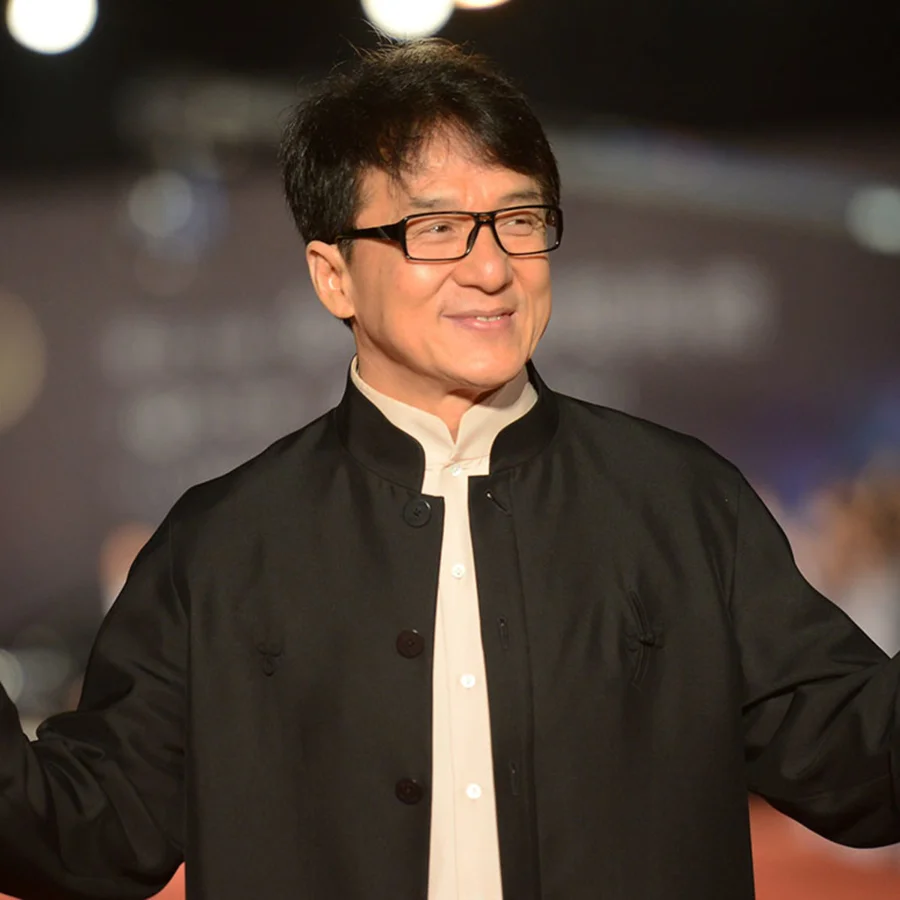
Jackie Chan critiques modern filmmaking, stating profit-driven studios hinder creativity, yearning for the quality of past films.
Jackie Chan openly criticized the current state of filmmaking during a Q&A session at the Locarno Film Festival in Switzerland, expressing his belief that modern movies suffer due to studios prioritizing financial returns over artistic quality. Speaking to a full audience, the 71-year-old actor highlighted how this business-first approach undermines the potential for creating great films, reflecting on his extensive experience in the industry.
Challenges of Creating Quality Movies in a Business-Centered Environment
Chan pointed out that many major studios today operate more like investment firms than creative bodies. Instead of focusing on filmmaking, they concentrate heavily on recouping their budgets, making it challenging to produce meaningful cinema. He said,
“I think the old movies are better than today,”
and added,
“Right now, a lot of big studios, they’re not filmmakers, they’re business guys. They invest 40 million and think, ‘How can I get it back?’ And you can’t go over. It’s very difficult to make a good movie now.”
This financial caution limits creative risks and innovation in storytelling.
Insights from Jackie Chan’s Career and Multitalented Approach
At the festival, where he received the Pardo alla Carriera award honoring his career achievements, Chan shared stories about his early years, including performing his own dangerous stunts and learning every aspect of filmmaking firsthand. He humorously noted that only two directors in Asia manage to write, direct, act, coordinate stunts, and edit their films: himself and his friend Sammo Hung. He remarked,
“And I’m better because I know how to sing,”
emphasizing his unique skill set.
Chan explained he pursued singing to avoid being confined to stunt work, which carries heavy physical risks. Reflecting on this choice, he stated,
Image of: Jackie Chan
“I cannot do this forever. It’s just so dangerous.”
He recalled how every film set expected him to demonstrate fighting techniques, which led him to explore singing as an alternative career path.
“Whatever station I would go to, they ask me how to punch and kick. I thought, What should I do? I should learn how to sing. Then I started trying to learn how to sing.”
He set a personal ambition to become what he called,
“I wanna be the Asian Robert De Niro.”
The Turning Point: Rush Hour and Its Cultural Impact
Despite contemplating leaving Hollywood due to poor scripts and difficulty connecting with Americanaudiences, Chan committed to one final project—Rush Hour. He revealed,
“Rush Hour. It was the last try. If it doesn’t succeed, then I finish.”
The success of the film, however, revitalized his career and made a significant cultural impact. He concluded,
“I think Rush Hour changed the culture.”
What Jackie Chan’s Views Mean for Modern Cinema
Jackie Chan’s critique highlights the tension between artistic creativity and commercial pressures in today’s film studios. His reflections underline a growing concern that modern filmmaking is increasingly constrained by financial risk calculations, potentially limiting originality and craftsmanship. His journey also showcases the value of versatility and perseverance in sustaining a long, impactful career in the entertainment industry.