
The Netflix reboot of The Chronicles of Narnia, directed by Greta Gerwig, has entered production, signaling a transformative approach to the beloved series. This new adaptation will focus on The Magician’s Nephew, a prequel novel to The Lion, the Witch, and the Wardrobe, originally released in 1955, marking the first time this story has been brought to the screen within this franchise.
By choosing to begin with The Magician’s Nephew, Gerwig delays direct comparisons to previous Narnia adaptations, which never covered this part of C.S. Lewis‘s universe. This decision brings fresh perspectives while setting the stage for exploring key Narnia characters and lore, including the introduction of a young White Witch, portrayed by Emma Mackey, alongside the establishment of the wider Narnian world for future films.
Significant Shift in Historical Setting Alters Narnia’s Timeline
The original novel places The Magician’s Nephew in the year 1900, but filming details suggest Gerwig is relocating the story to the 1950s. Photos from the set reveal costumes and designs indicative of that era, while casting calls and insider information also support this timeline shift. Although not officially confirmed by Netflix, this change appears very likely based on available evidence.
This adjustment could create complexity for the Narnia franchise. The majority of the original books were set during the 1940s, specifically amid World War II, which framed their characters and context. Altering the starting point to the 1950s would push subsequent stories forward, hypothetically placing the sequel, The Lion, the Witch, and the Wardrobe, in the 1990s timeline.
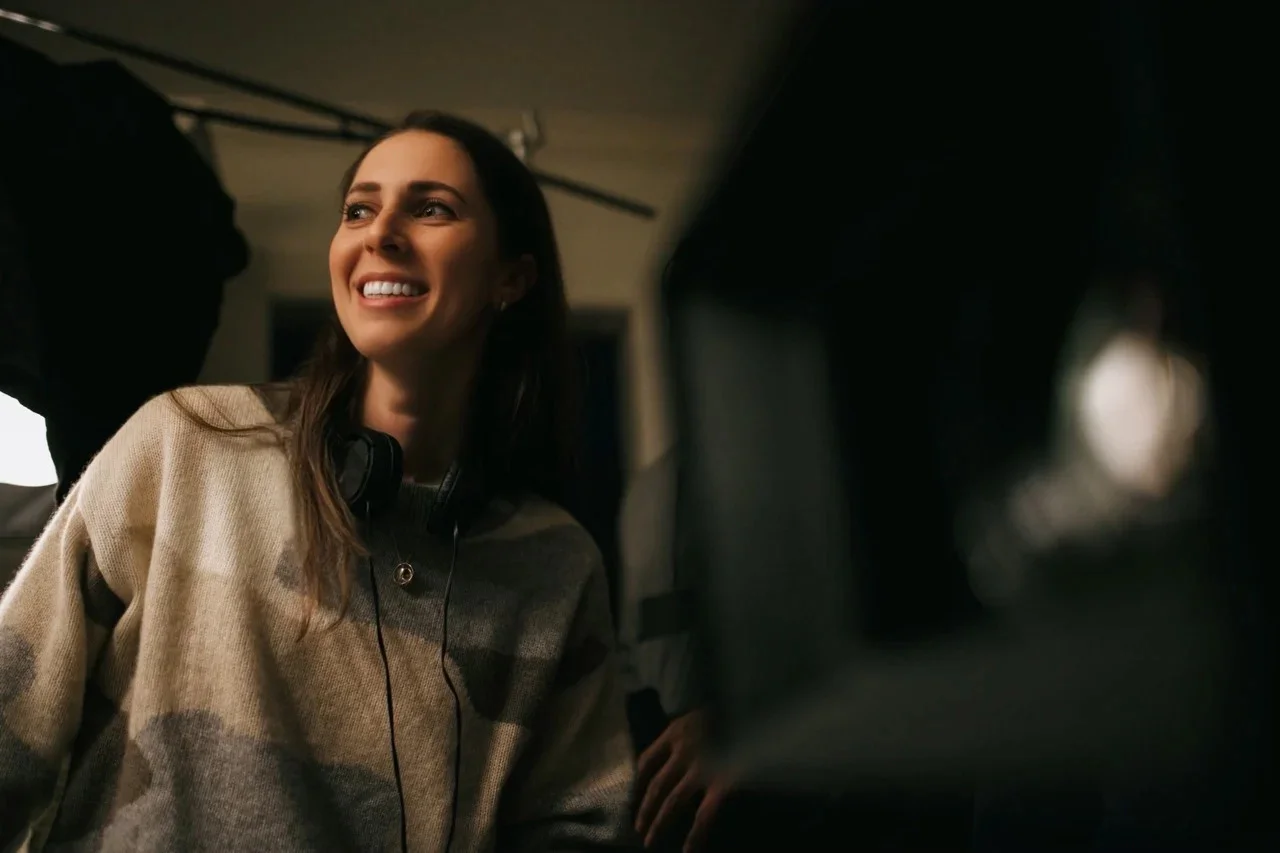
To understand this impact, the original Earth-year settings for the Narnia books were roughly as follows: The Magician’s Nephew in 1900, The Lion, the Witch, and the Wardrobe in 1940, and subsequent novels spanning the early to late 1940s, with Narnian years correspondingly varying enormously due to the fantasy world’s unique time flow.
Implications of Revising the Franchise’s Temporal Framework
C.S. Lewis originally set The Magician’s Nephew around 1900 to explain the origins of Narnia through Professor Digory Kirke’s youthful adventures, who later appears as an older professor in The Lion, the Witch, and the Wardrobe. Shifting this story to the 1950s disrupts this continuity and suggests that the characters and events of the following stories will also need to be modernized accordingly.
This modernization introduces new influences on the film’s style, characters, and narrative tone, potentially altering their relationships and the atmosphere of the Narnia world. While time moves differently in Narnia itself, the adaptation’s decision to contemporize the Earth-based timeline will inevitably shape how audiences connect with these characters and their stories.
Gerwig has maintained some secrecy about her vision for the series, so it remains uncertain whether the timeline change serves as a foundation for faithful adaptations or if it is intended to support new, original stories within Lewis’s universe. Regardless, this bold reimagining promises a fresh and compelling interpretation of the classic franchise that could redefine its future installments.
