
As the highly anticipated Jerry Bruckheimer Formula One movie prepares to return to IMAX screens this weekend, the producer has revealed that Formula One officials were initially worried about how the competing teams would be depicted. Jerry Bruckheimer and director Joseph Kosinski had to reassure Formula One leadership that the film would avoid portraying any actual team as the villain, alleviating fears of negative portrayals affecting the sport’s image.
Building Trust and Access Across Racing Worlds
Bruckheimer, who previously directed the racing film Days of Thunder in 1990, noted similarities between working with NASCAR and Formula One. He praised both racing organizations for their cooperation, explaining that they were eager to collaborate once assured the sport’s reputation was in safe hands.
“They were very cooperative. They gave us access to their tracks, their drivers. They were fantastic partners to work with. You go through a period of they feel you out, they want to see if you’re going to hurt their sport. They want to see what you’re actually talking about,”
Bruckheimer said.
Convincing Formula One Teams to Support the Project
While NASCAR’s collaboration came more easily, Bruckheimer said convincing Formula One was a more delicate task. With 10 teams involved, concerns arose that the film might single out one as the antagonist. The fact that Mercedes provided the film’s racing car and Lewis Hamilton was a producing partner heightened suspicions that Red Bull might be unfairly portrayed, given the intense rivalry between those two teams in the season depicted.
“There were 10 teams we were dealing with, and they were reticent that one team was going to be the villain,”
Bruckheimer explained.
“Considering that Mercedes built our car, and Lewis Hamilton is a producing partner, they were for sure going to think that Red Bull was going to be the villain because they had a real competition that season between the two teams.”
Visuals and Script Win Over Key Stakeholders
The breakthrough came when director Joseph Kosinski presented a detailed reel demonstrating how the film’s fictional car would participate in an actual race. This visual approach helped convince the Formula One drivers and team principals that the story focused on the rivalry between two fictional drivers rather than targeting any real teams.
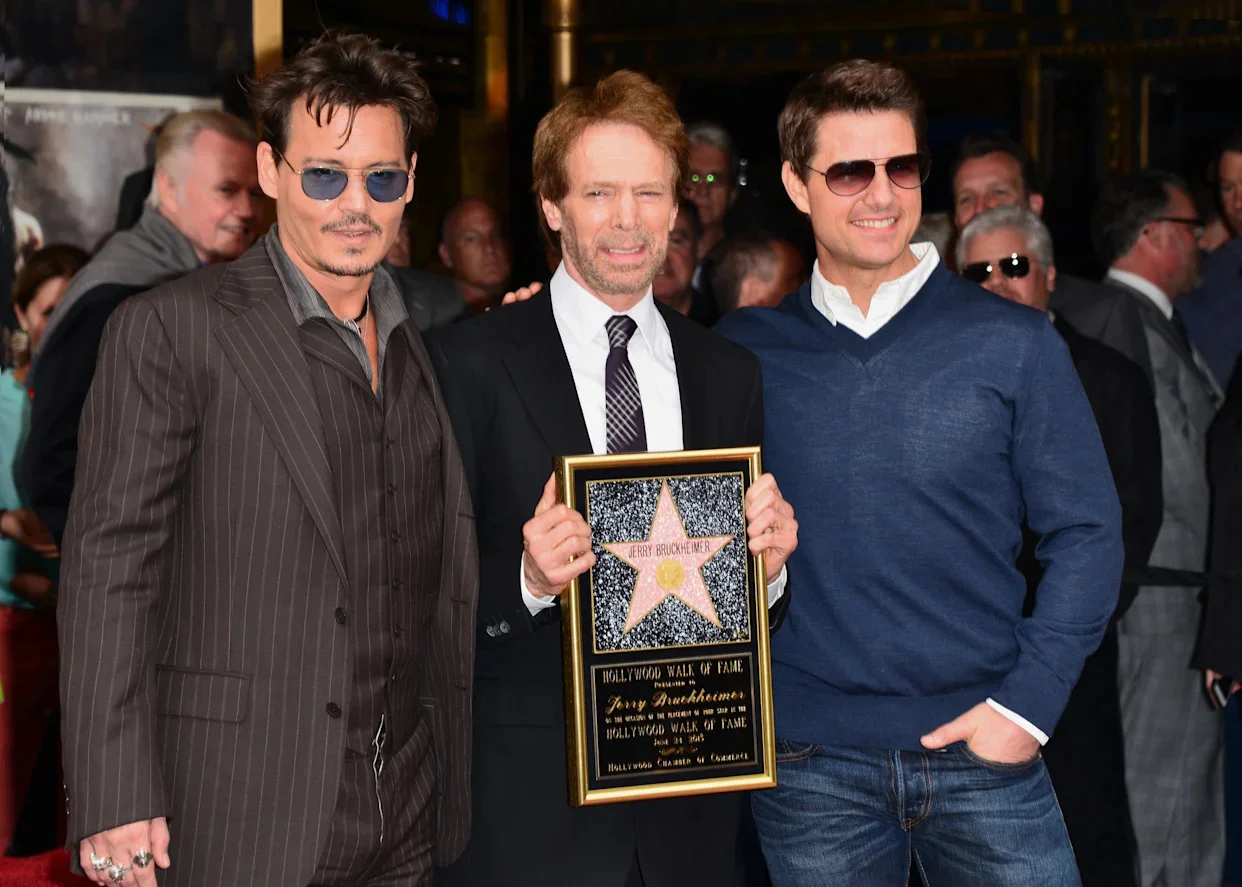
“Then we had F1 read the script, and they knew that the drama was going to be between our two drivers, not between any of their teams,”
Bruckheimer added.
“So that’s how we got to a point where they were much more comfortable. We’re friends with all those teams now. The teams love the movie. The drivers love it. They see what it’s doing for the sport.”
Comparing Collaborations with Brad Pitt and Tom Cruise
Aside from the racing context, Bruckheimer also reflected on his experiences working with top actors. Although this film marks the first collaboration with Brad Pitt, the producer compared Pitt’s dedication to that of Tom Cruise, who starred in Days of Thunder. Both actors take an active role in shaping their films, providing valuable input on script and casting decisions, which Bruckheimer views as a significant asset to the production process.
“They’re very similar in the way that they really want to make a phenomenal movie,”
Bruckheimer shared.
“They’re all in. They’re in on the script. They’re in on the casting with you. They’re real value-added because they come from a different perspective than what we come from, from an acting perspective.”
He also contrasted them with other actors who show less engagement.
“I’ve worked with actors that just want to go home,”
Bruckheimer remarked.
“They’re done. You know, ‘When are we finished?’ And then you have some people like Brad and Tom that really want to lean in and stay as long as it takes to make the movie as good as possible.”
The Film’s Impact on Formula One’s Popularity
The collaborative approach to creating the Jerry Bruckheimer Formula One movie has not only ensured respect for the sport and its participants but also helped amplify interest in Formula One worldwide. By avoiding negative portrayal of any team and focusing on compelling rivalries between fictional characters, the film aligns with the goals of the sport’s leadership in expanding its fanbase and spotlighting the intense competition on and off the track.
With the film’s return to IMAX cinemas, it is likely to attract both racing enthusiasts and general audiences, reinforcing Formula One’s increasing visibility in mainstream culture. The close involvement of genuine drivers, teams, and production partners like Mercedes and Lewis Hamilton strengthens the movie’s authenticity and potential to elevate the sport’s global profile further.
