
Alan Tudyk, known for his diverse and memorable characters, including roles in Firefly, Rogue One, and the Disney+ series Andor, recently disclosed a surprising fact about his involvement in the 2004 sci-fi film I, Robot. In an interview with Just Jared, Tudyk revealed that he played Sonny, the film’s advanced humanoid robot, but his role was largely kept hidden to protect the star power of Will Smith. This revelation sheds light on how Tudyk’s performance nearly eclipsed that of Smith’s leading role.
During test screenings, Tudyk’s character Sonny scored higher in audience approval than Will Smith’s Detective Del Spooner. As Tudyk explained,
“A lot of people did not know I did Sonny the Robot in I, Robot, and there is a reason,”
and
“They were doing test audiences for the movie, and they score the characters in this kind of test screening. I got word back: ‘Alan, you are testing higher than Will Smith.’ And then I was gone. I was done. There was no publicity, and my name was not mentioned.”
—Alan Tudyk, Actor
Studio’s Strategic Choice to Spotlight Will Smith
The studio’s decision to minimize Tudyk’s presence in promotional materials was a calculated move to keep the audience’s focus on the film’s marquee star. Tudyk’s portrayal of Sonny was so compelling that it posed a potential threat to Will Smith’s billing and the movie’s marketing narrative. This led the studio to exclude Tudyk from press tours and public recognition, despite the depth he added to the character and the overall film.
Reflecting on this, Tudyk said,
“I was like, ‘Wait, nobody is going to know I’m in it!’”
and
“I put a lot into [that performance]. I had to move like a robot. At the time, I was very upset.”
—Alan Tudyk, Actor
The Innovative Motion-Capture Work Behind Sonny
I, Robot, which generated over $347 million worldwide and earned an Academy Award nomination for visual effects, pushed the boundaries of motion-capture technology. Tudyk’s role involved wearing a full motion-capture suit on set, allowing him to act alongside Will Smith rather than having his scenes filmed separately. This on-set presence elevated the quality of both performances, fostering more genuine interactions between the actors.
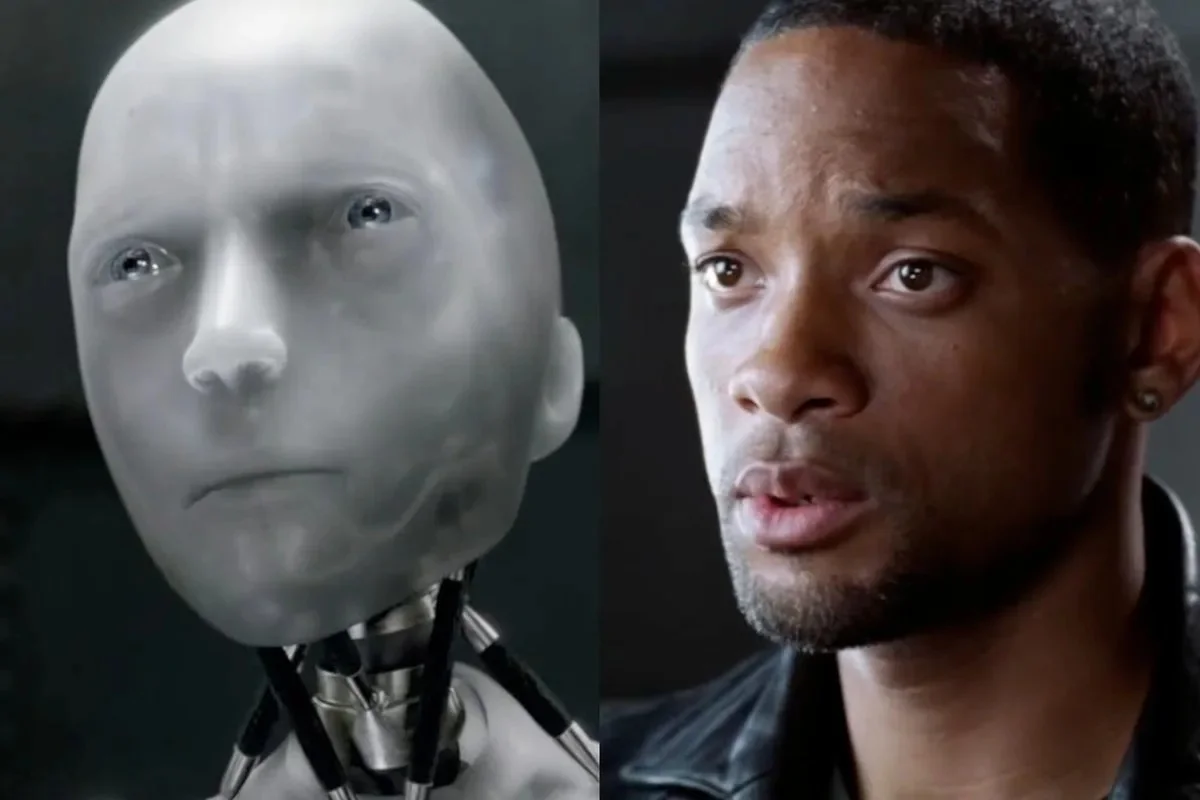
Unlike Andy Serkis’s iconic work as Gollum, which often involved separate motion-capture sessions, the filmmakers discovered that Tudyk’s direct involvement in scenes enriched the emotional authenticity of the film. Roughly 80% of the final shots featured takes where Tudyk was physically present, though this required extensive work by visual effects teams at Digital Domain and Weta Digital to digitally erase Tudyk from over 200 shots.
How Tudyk’s Performance Influenced Future Digital Characters
This method of integrated on-set motion capture demonstrated that the subtlety and humanity of an actor’s performance could translate effectively to a digital character. The success of Tudyk’s portrayal set a new standard following Serkis’s groundbreaking efforts. It contributed to advancing the techniques that would be instrumental in creating digitally animated roles in later franchises, such as Avatar and the Planet of the Apes series.
Tudyk’s portrayal of Sonny not only raised the bar for motion-captured characters but also highlighted how vital an actor’s presence is in bringing digital beings to life. Despite the lack of public recognition at the time, his work remains a pivotal example of performance capture’s potential in cinema.
Where to Watch and Looking Ahead
I, Robot is currently available for streaming on Hulu, offering viewers the chance to appreciate Tudyk’s hidden yet essential role. This revelation invites renewed interest in recognizing the contributions of actors behind digital characters and the evolving technologies that support these performances.
As audience appreciation grows for motion-capture artistry and the actors who pioneer it, Tudyk’s experience in I, Robot stands as a significant moment in film history that may influence how future projects balance star power with performance innovation.
